A Timeless Reflection: Revisiting 'Rome, Open City'
A look back at 'Rome, Open City', a pivotal film that captures the Italian resistance during WWII and its lasting impact on cinema and society.
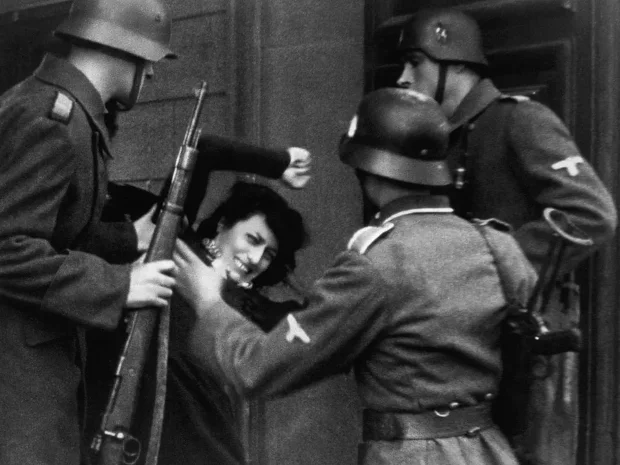
Rome, Open City
Italy, 1945 Original Title: Roma città aperta Director: Roberto Rossellini Screenplay: Sergio Amidei and Federico Fellini Cast: Aldo Fabrizi, Anna Magnani, Marcello Pagliero, and Vito Annichiarico Distributor: Bac Films Genre: War Duration: 1h43 Release Date: June 30, 2021 (Re-release)
4/5
In stark contrast to their French counterparts, Italians quickly celebrated their brave resistance fighters during the Nazi occupation. Just after World War II concluded, Rome, Open City made its successful debut in cinemas worldwide. While France produced The Battle of the Rails by René Clément in 1946, it took over two decades for a film of equal caliber to emerge, arriving with Jean-Pierre Melville's Army of Shadows in 1969.
Both films share a similar approach to recounting historical events that were long suppressed or obscured for various state reasons. They offer a sober and factual narrative within the framework of fictional cinema, depicting a time marked by extreme precariousness, suspicion, and widespread fear. In contrast to propagandistic films that either glorified clandestine heroes or vilified them as traitors, Rome, Open City avoids such biased portrayals.
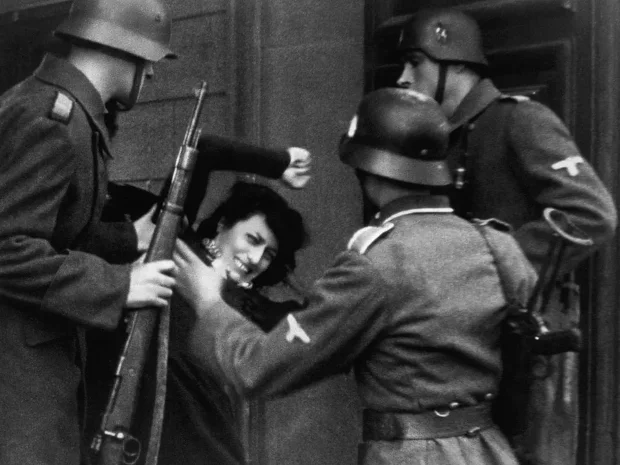
The film's most memorable scene features Anna Magnani's character, a courageous mother, desperately chasing after a truck that is taking away her fiancé. However, it is the cold, relentless mechanics of the screenplay by Sergio Amidei and Federico Fellini that captivated audiences during our summer rediscovery of this Italian cinematic masterpiece. This narrative style foreshadows the equally impactful storytelling found in Gillo Pontecorvo's The Battle of Algiers two decades later, serving as a poignant reminder of the dark times that could potentially return to Europe.
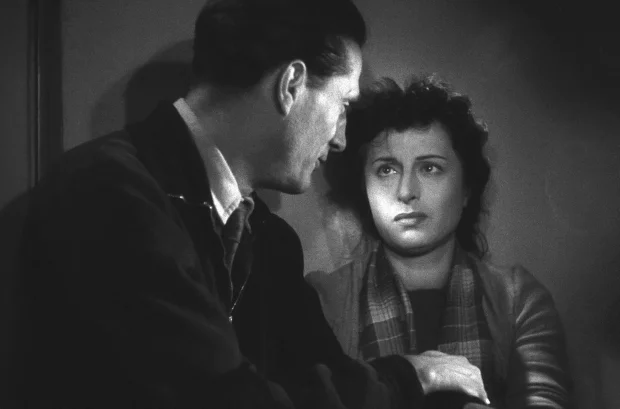
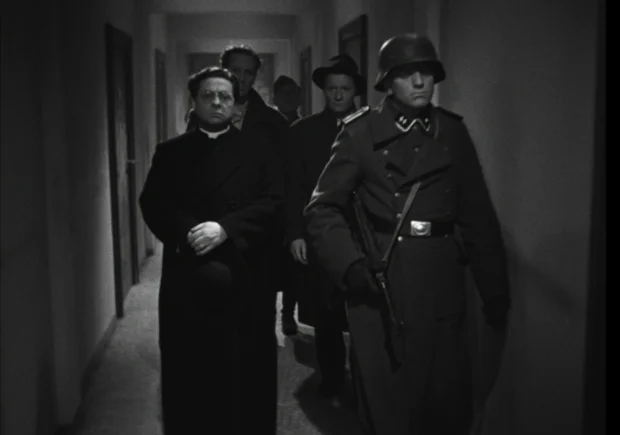
Synopsis: Set in the winter of 1944, as the German Nazi troops occupy Rome, the local population struggles to survive. The day before her wedding to the resistance fighter Francesco, widow Pina desperately seeks a glimmer of hope in her exhausting daily life. Alongside her son Marcello and Father Don Pietro, she contributes to the war effort against the occupiers. However, the grip tightens around their small resistance cell, aided by unscrupulous Italians who provide information to SS commander Fritz Bergmann.
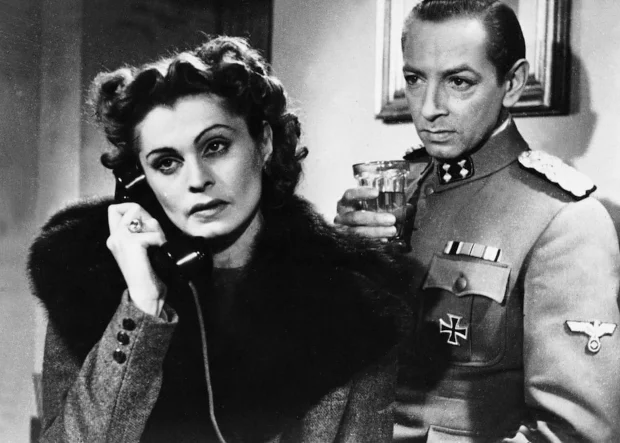
Direct and Unflinching
Elements of Rome, Open City might initially lead viewers to believe they are watching a typical Italian film from the 1940s, one that ironically depicts the harsh realities faced by Romans in the war's final months. Anna Magnani's character, portrayed with remarkable conviction, seems to navigate adversity with resilience, implicitly advocating for solidarity among the neighborhood's struggling residents. This pride, however, would eventually fade during the subsequent decade, which saw a wave of material prosperity sweep across Western Europe. But at what cost?
While waiting for better days, Pina finds solace in the arms of engineer Francesco, who has transformed from an irritating neighbor to her ideal fiancé in just two years. Despite the ever-present fear of a fascist raid, life appears manageable for Pina. Yet, director Roberto Rossellini artfully orchestrates the cracks in this deceptive routine, revealing the chilling certainty with which Major Bergmann sets his espionage and torture plans into motion, relying on the help of opportunistic collaborators.
A Sense of Hopelessness
Rossellini's narrative does not aim to judge those who succumb to temptation for a new coat or an exciting life away from the drab suburbs. He does not cast a biased gaze upon the majority of secondary characters who strive to evade the relentless Nazi surveillance. The film excels in its seemingly simple task of documenting the successive steps leading to death, engaging the audience without resorting to manipulative sentimentality—a skill that is not easily mastered.
Can Rome, Open City then be classified as a film of supreme austerity? Not quite. It tells a story with unyielding intensity, where horror arises paradoxically from the calm with which characters—regardless of their moral alignment—go about their lives. Whether participating in a popular bakery raid, playing football in a schoolyard, confessing with a priest, or commanding ruthless executioners, all actions are treated equally by Rossellini. This reflects a deeply unsettling loss of humanity, exacerbated by the war's context, yet rendered chillingly banal through the film's brilliant cinematic techniques.
Conclusion
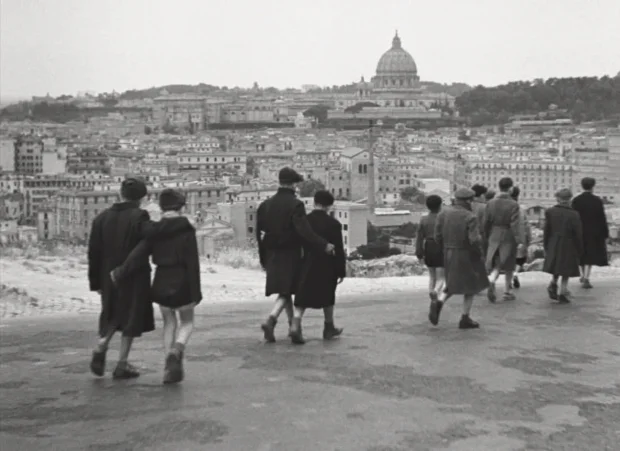
The significance of Rome, Open City in the history of cinema as a groundbreaking work of Italian neorealism is indisputable. Even 80 years after its release, Rossellini's fourth feature retains an extraordinary power. It serves as a stark historical document, capturing the ordinary terror that the Nazi occupiers imposed on Rome and Europe during the 1930s and 1940s. Furthermore, its relevance is tragically heightened by the passage of time, acting as a cautionary tale against the potential resurgence of the dark forces that once threatened to obliterate Europe during World War II.
You may also like