A Miraculous Masterpiece: The Chaotic Production of 'The Big Country'
William Wyler's 'The Big Country' is one of the best Westerns ever made. The chaotic production process behind it is almost miraculous, considering the final result.
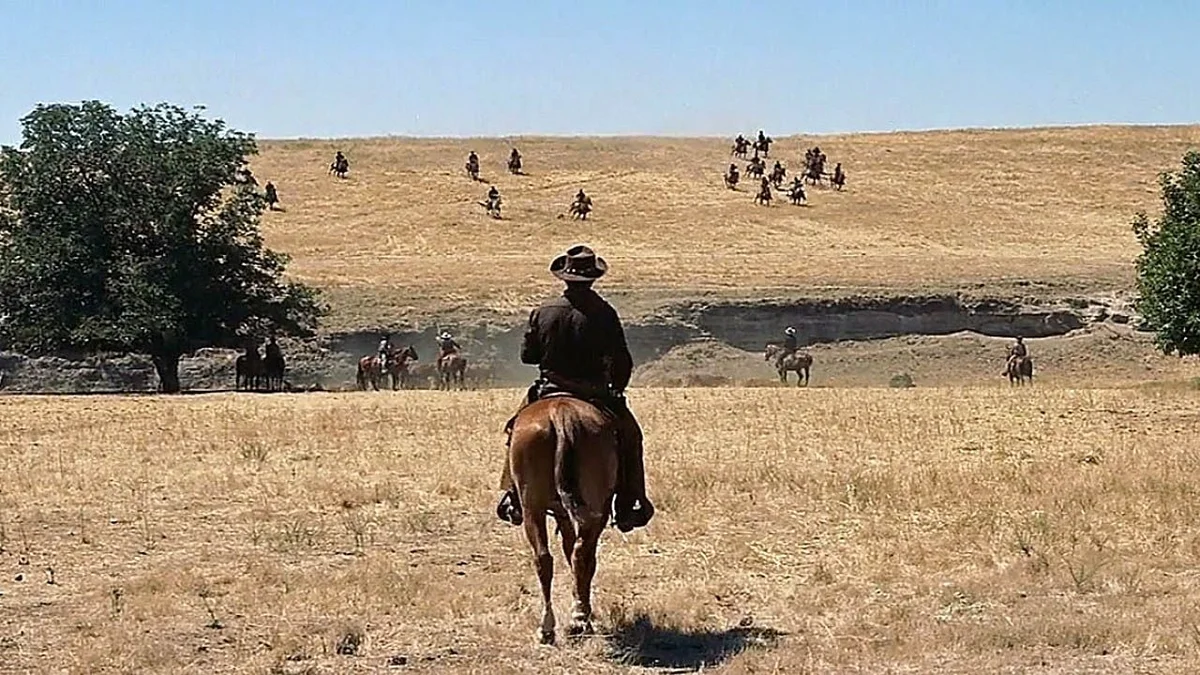
William Wyler's "The Big Country" (1958) stands as one of the finest Westerns in cinematic history. However, the tumultuous nature of its production is almost miraculous, considering the final product.
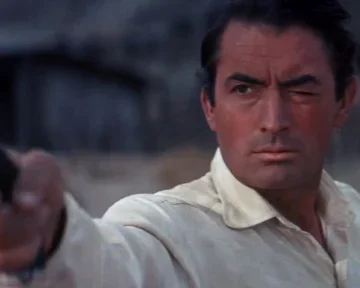
Notably absent from the lists of the greatest Westerns of all time, Wyler's masterpiece focuses on the conflict between pacifistic Captain James McKay (Gregory Peck) and the archaic rules of the Wild West. After traveling from Baltimore to Texas to marry his beloved Patricia Terrill (Carroll Baker), McKay finds himself embroiled in a bitter feud between Patricia's father, ranch owner Major Henry Terrill (Charles Bickford), and cattleman Rufus Hannassy (Burl Ives). His attempts to broker peace thrust him into the line of fire.
Despite the film's polished exterior, the production was notoriously chaotic, largely attributed to the legendary director William Wyler. Known for his demanding nature, Wyler put his team through grueling paces during the filming of "The Big Country." He often required Peck, Baker, and the rest of the cast to repeat takes dozens of times without providing clear feedback on what needed improvement. According to Gabriel Miller's book, "William Wyler: The Life and Films of Hollywood's Most Celebrated Director," his only guidance was to "make it better."
This approach created significant pressure for actors like Carroll Baker, who later described the experience as challenging. Jean Simmons, who portrayed Patricia's friend Julie, noted that Wyler frequently introduced new script changes, complicating the filming process further. Both actresses endured so much stress under Wyler's direction that they refrained from discussing their experiences for years.
Tensions on Set and an Absent Director
The difficulties did not end there. Although Gregory Peck and Wyler had previously collaborated successfully on the romantic classic "Roman Holiday," their relationship deteriorated during the filming of "The Big Country." The tension escalated to the point where they did not speak for three years after production, and despite reconciling later, they never worked together again. Similar conflicts arose between Wyler and Charles Bickford.
In a surprising turn, Wyler left the set before filming was completed to begin work on his monumental epic "Ben-Hur" in Rome. He entrusted the filming of the final scenes to his assistant, Robert Swink, whom he later praised in a letter, stating, "I cannot express how pleased I am with the new ending. The shots you made are absolute perfection."
Ultimately, the tumultuous atmosphere, poor communication, and last-minute changes, coupled with Wyler's absence during the film's completion, did not hinder the outcome. "The Big Country" is celebrated as one of the greatest Western films ever made and was even included in Empire Magazine's list of the 500 greatest films of all time.
Despite its acclaim, "The Big Country" does not feature in the FILMSTARTS community's list of top Westerns. To find out which film took the top spot, check out the following article:
4.67 out of 5 stars! The best Western of all time, according to German audiences.
This is an updated re-release of an article that previously appeared on FILMSTARTS. It has also been published in a similar form on our Brazilian sister site AdoroCinema.
Links to Amazon products are affiliate links. We receive a commission for purchases made through these links.