Collector's Edition Review: The Crime Syndicate Trilogy on 4K Ultra HD
The Crime Syndicate Trilogy on 4K Ultra HD showcases the evolution of Hong Kong action cinema, blending emotional depth with stylistic flourish. John Woo's iconic films redefine the genre.
The Hong Kong cinema of the 1980s often resembled a bustling city where skyscrapers rose even as workers completed the foundations of the previous one. Films were produced at an almost surreal pace, genres blended with audacious freedom, and filmmakers operated without safety nets, propelled by an energy that could make fireworks seem dim by comparison. It was in this vibrant context that John Woo, with the support of Tsui Hark, birthed The Crime Syndicate, a foundational work in action cinema that would not only depict shootouts but transform bullets into dramatic punctuation. In just a few frames, The Crime Syndicate would redefine Hong Kong noir, establish the codes of Heroic Bloodshed, and leave a lasting impact on filmmakers like Quentin Tarantino, Robert Rodriguez, Johnnie To, the Wachowski siblings, and even a significant portion of modern video games. This illustrates how a few well-placed magazines can leave a deeper mark than some artistic manifestos.
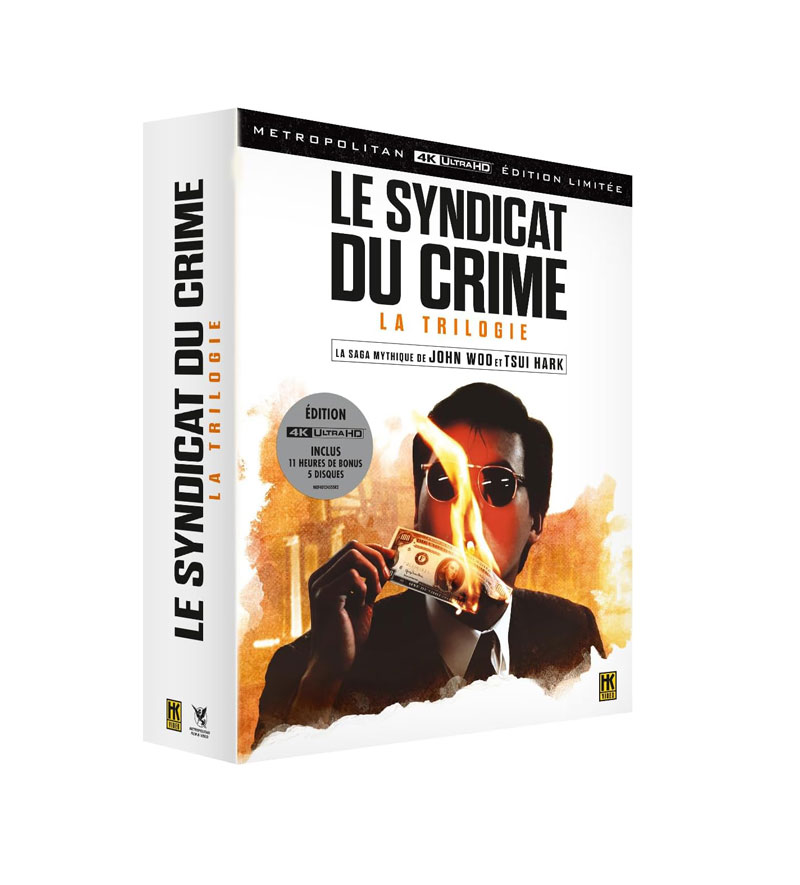
Original Title: Ying hung boon sik Directors: John Woo, Tsui Hark Screenplay: John Woo, Chan Hing-Ka, Leung Suk-Wah, Tsui Hark Cast: Chow Yun-fat, Ti Lung, Leslie Cheung Distributor: HK Vidéo Runtime: 5h05 Genre: Action, Thriller Theatrical Release Date: July 21, 1993 DVD/BR/4K Release Date: February 14, 2026
The Crime Syndicate (1986): _Ho and Mark are two Triad members bound by unbreakable friendship. Betrayed, Ho is arrested and imprisoned. Upon his release, he discovers that Mark has lost the use of a leg while seeking revenge for him. Rejected by his younger brother and under police surveillance, Ho attempts to rebuild his life but faces his old gang, determined to reclaim him. At a great cost, Ho and Mark will regain their lost honor and dignity. The Crime Syndicate 2 (1987): _Ho, a reformed criminal, yearns for a peaceful life. However, his past is about to catch up with him: the police have decided to use him as an informant to dismantle a counterfeiting ring. Reluctantly, Ho is drawn into a bloodbath spanning from Hong Kong to New York, where he encounters the twin brother of his former partner... The Crime Syndicate 3 (1989): Saigon, 1974. As Vietnam descends into chaos, Mark Cheung arrives from Hong Kong to repatriate his uncle and cousin. Forced into the black market to gather the necessary funds for the journey, Mark meets Kit, a formidable arms trafficker...
The Films
Rating: [5/5]
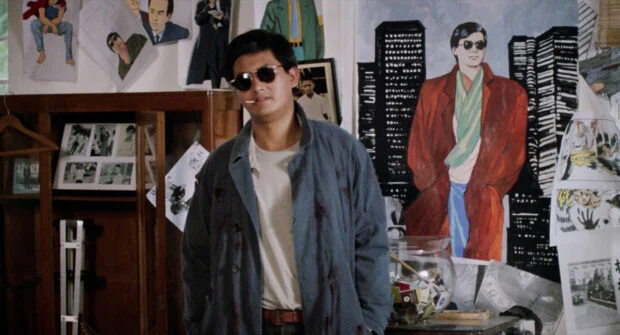
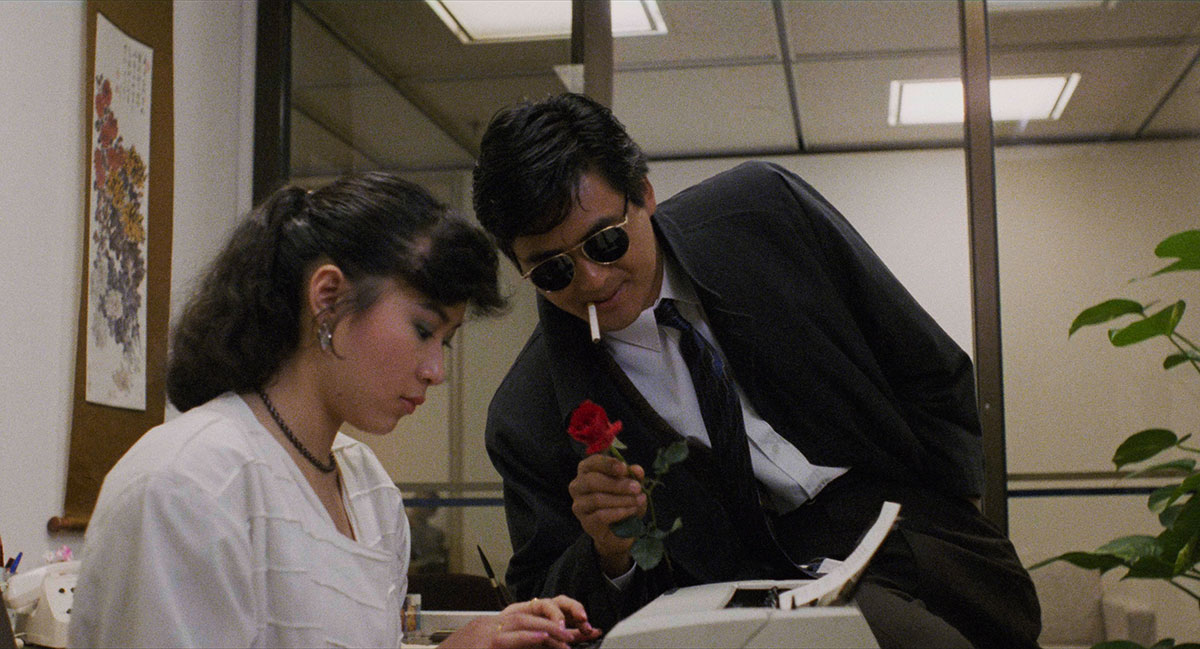
Beneath its surface as a crime thriller, The Crime Syndicate ultimately tells a straightforward story. Two brothers take radically different paths: one engages in counterfeiting while the other enters the police force with an almost naïve belief in justice. Mark (Chow Yun-fat), with his rumpled trench coat and toothpick, quickly becomes one of Asian cinema's most iconic characters. This fraternal dynamic imbues the film with its emotional power. The confrontations are not merely about eliminating an adversary; they seek to mend broken trust, restore lost dignity, or settle old moral debts. The Crime Syndicate reminds us that the deepest wounds are not always those inflicted by bullets, but rather those caused by betrayal.
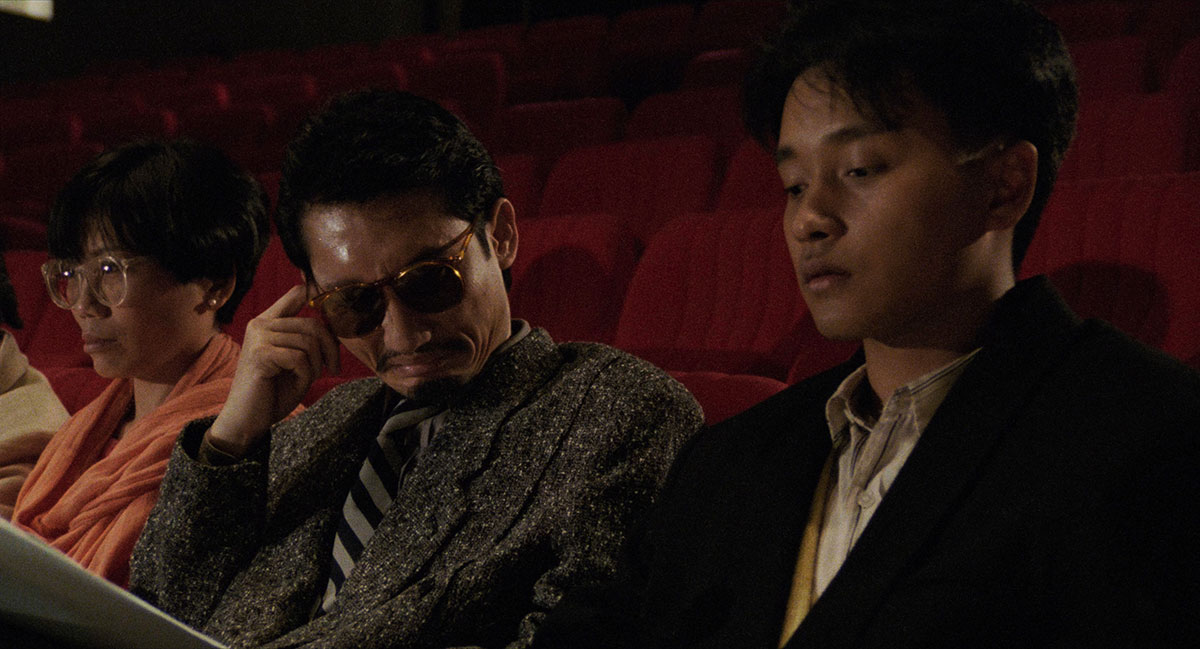
One of the most compelling aspects of The Crime Syndicate is its portrayal of loyalty as a nearly tangible substance. Characters navigate a world where honor outweighs money, and a handshake can sometimes feel more binding than a notarized contract. John Woo never aims to render his gangsters realistically in a documentary sense; he gradually elevates them to the status of almost chivalric figures. The slow-motion sequences, fluid camera movements, and meticulously choreographed shootouts do more than dazzle the eye; they extend the characters' emotions, as if the camera refuses to leave their inner turmoil even as the world explodes around them. In Woo’s vision, a weapon is never merely a mechanical object; it becomes an extension of a promise, remorse, or sacrifice.
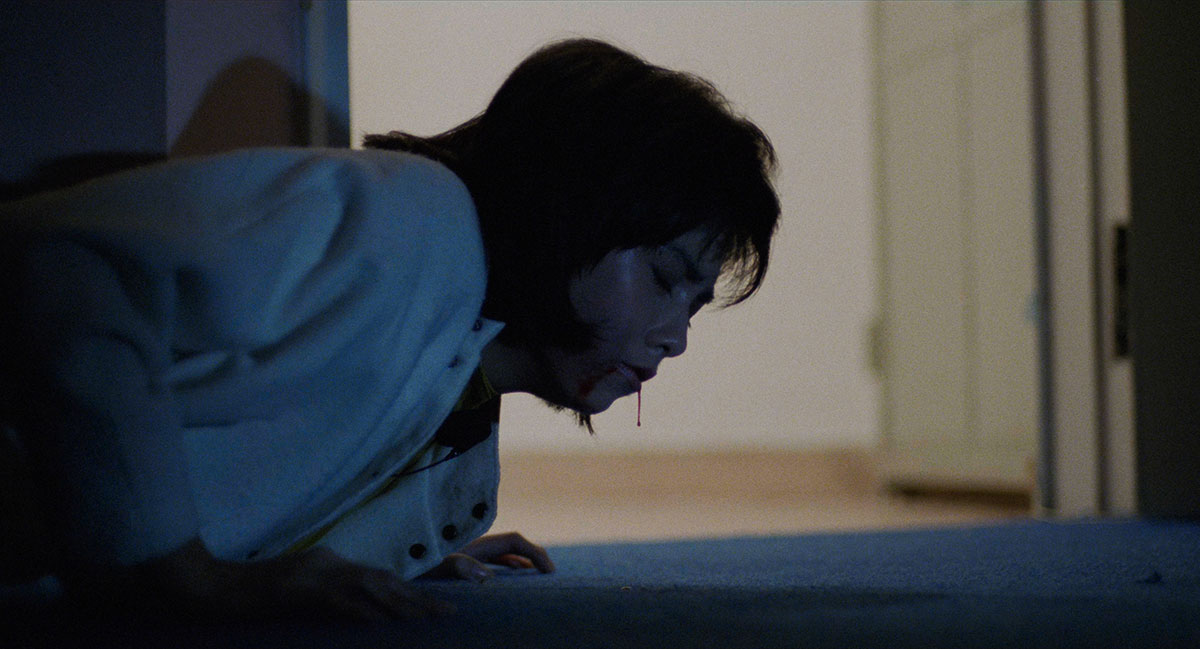
Even the character of Jackie, portrayed by Emily Chu, adds a unique dimension to The Crime Syndicate. Far from being a mere decorative companion, this independent young woman also navigates a period of disillusionment, sometimes drowning her sorrows in alcohol while maintaining a remarkable freedom of spirit. Her disillusioned perspective acts as a counterpoint to the heroic impulses of the men around her. This imperfect humanity keeps The Crime Syndicate from devolving into a mere display of gunplay and wrinkled suits. The film consistently retains a foothold in emotional depth, even when the magazines seem to defy the laws of physics in their capacity.
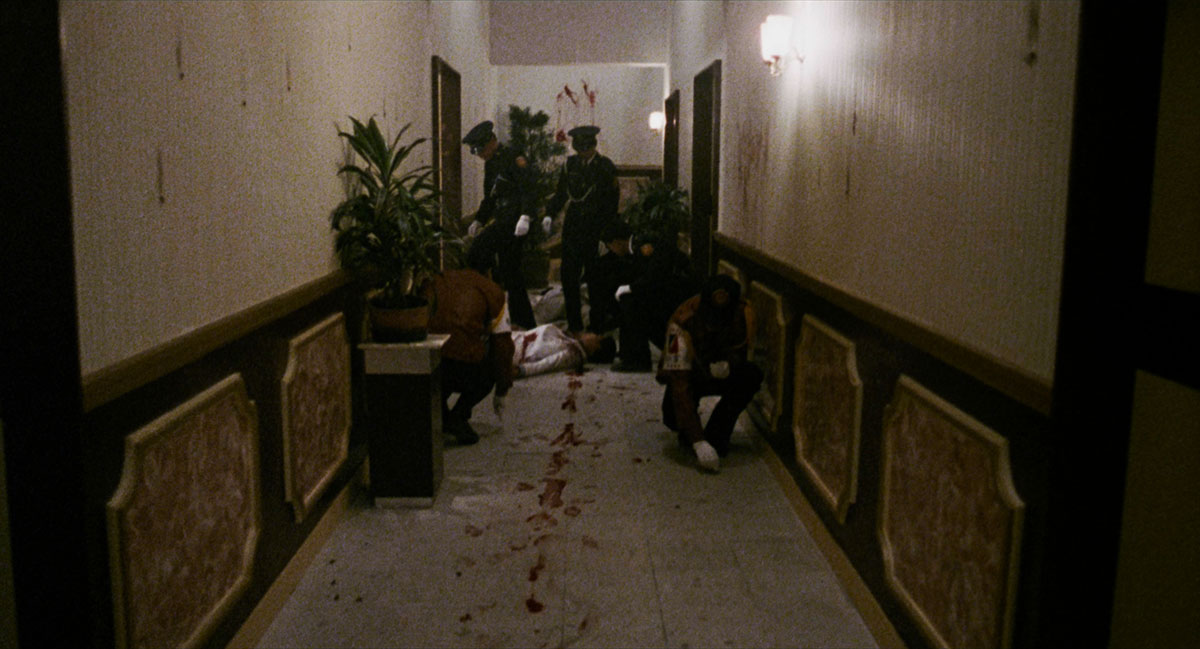
Time has only slightly dulled the brilliance of The Crime Syndicate. Some effects naturally bear the marks of their era, yet this patina contributes significantly to its charm. The magnetic presence of Chow Yun-fat is irresistible, a true meteor of charisma whose every appearance suggests that the camera has instinctively found its magnetic north. Opposite him, Ti Lung brings a beautiful gravity, while Leslie Cheung sensitively portrays a brother torn between duty and affection. Together, they imbue The Crime Syndicate with a profoundly human dimension that explains why the film continues to resonate with action cinema enthusiasts nearly forty years later, beating as strongly as an empty magazine hitting the pavement.
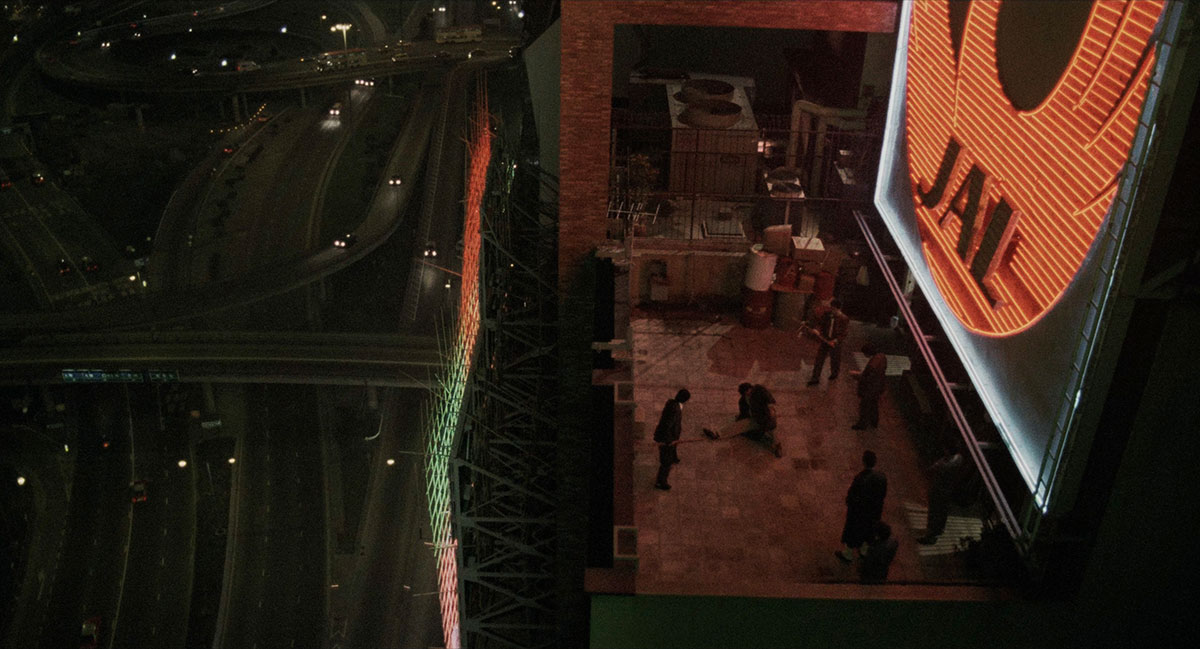
Many sequels aim simply to outdo their predecessors in noise. However, The Crime Syndicate II opts for grandeur, sadness, and beauty. John Woo does not merely replicate the elements that turned the first film into a Hong Kong cinema phenomenon; he pushes each of them to a level of deliberate excess, almost lyrical in nature. The shootouts expand in scope, the emotions take on the weight of ancient tragedy, and the characters seem to move as though they already know their fates. This approach to depicting men condemned to remain true to their principles, even when those principles lead them to ruin, lends The Crime Syndicate II an intensity that transcends the typical action genre.
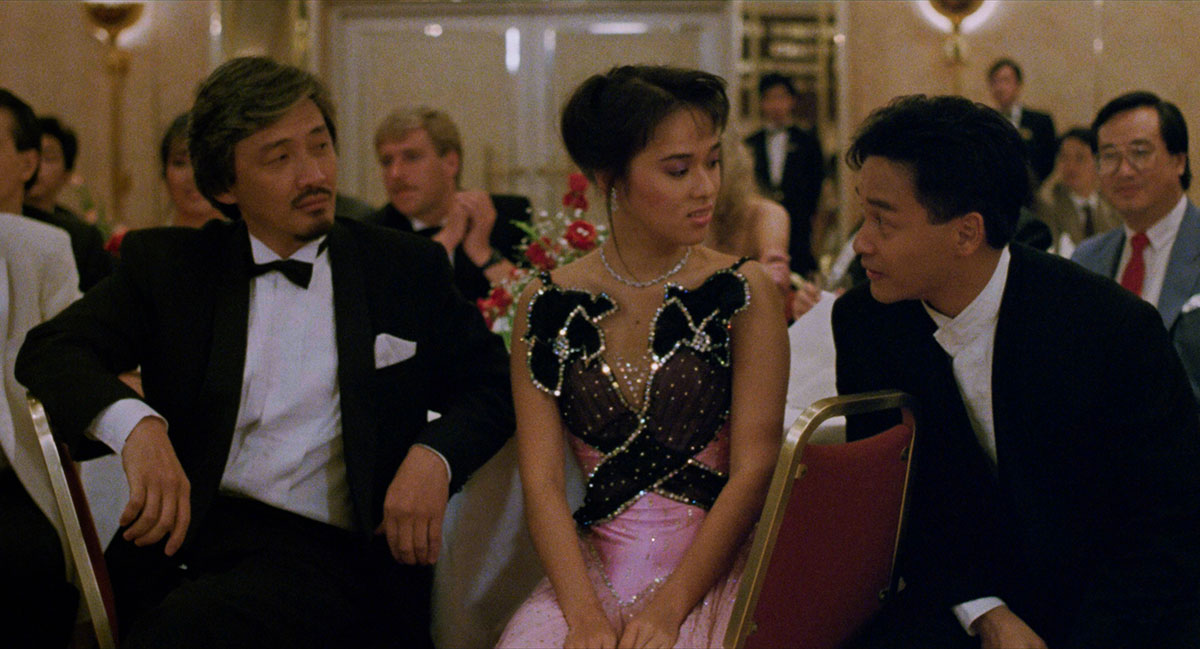
The narrative also chooses a particularly fertile ground. Following the events of the first film, Lung attempts to rebuild a peaceful existence in New York alongside his former partner Ken, who bears an uncanny resemblance to Mark. The notion of the double could easily come off as contrived; however, it works beautifully as John Woo plays with the viewer's memory. Chow Yun-fat encounters a different figure, less flamboyant at first glance but equally endearing, while the story continues to explore the chosen brotherhood that permeates the entire saga. Blood ties still matter, but those forged through loyalty often appear even more robust. The Crime Syndicate II navigates a precarious line where each character seems to seek a family as much as redemption.
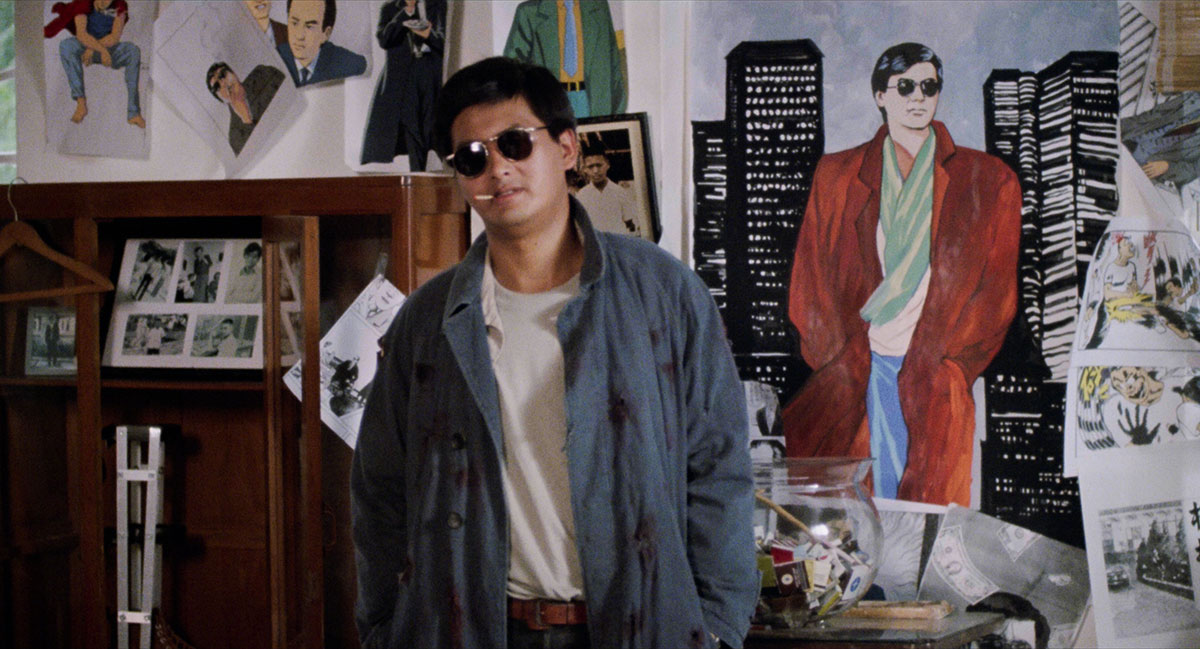
This escalation finds its most beautiful echo in the direction. The Crime Syndicate II transforms armed confrontations into true emotional choreographies. The slow-motion sequences stretch as if time itself hesitated to let its heroes perish, shards of glass create ephemeral constellations, and the camera movements accompany the characters with a nearly dance-like elegance. It is impossible not to recognize the lasting influence this aesthetic has had on modern action cinema, both in John Woo’s work (from The Killer to Hard Boiled) and beyond (Desperado, The Matrix...). Behind every barrage of bullets, John Woo seeks less to impress than to convey a feeling. The weapons speak a strange language, one of regrets, loyalty, and a melancholy that steadfastly refuses to leave the frame.
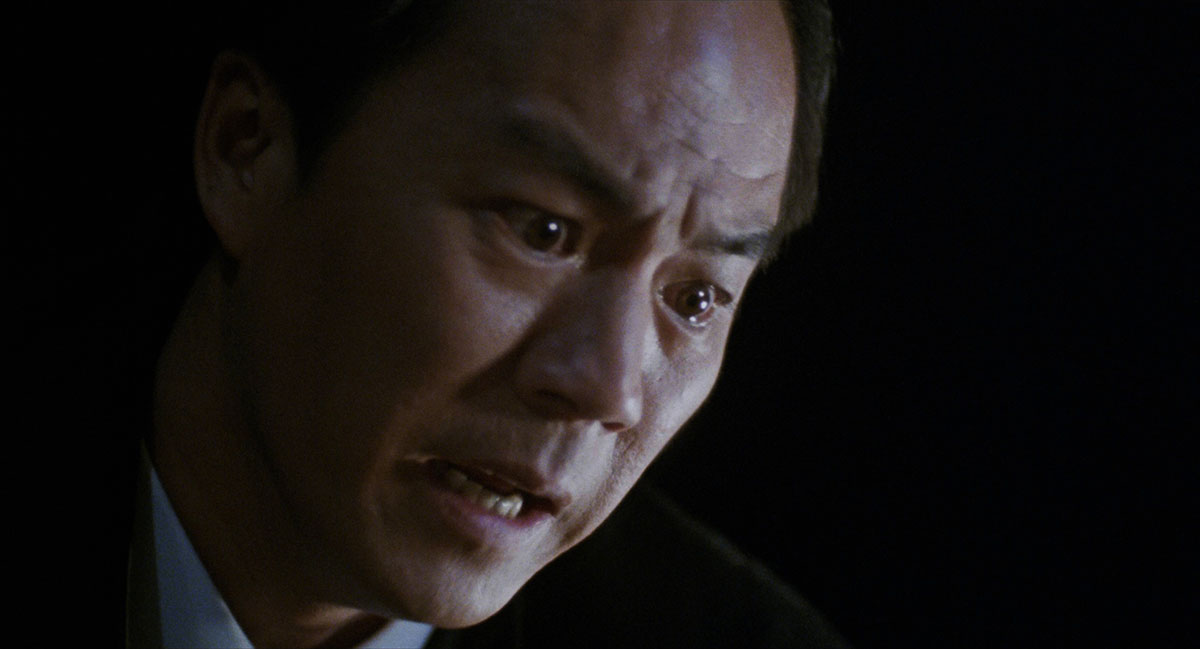
The director's penchant for the spectacular does not prevent The Crime Syndicate II from maintaining a genuine tenderness toward its characters. The quieter scenes breathe with the same sincerity as the most explosive confrontations, allowing the film to showcase weary men, worn down by their choices, who continue to press forward because they know no other way to live. This pervasive melancholy sometimes gives the impression that The Crime Syndicate II regards its heroes with the eyes of an old friend, aware of their flaws but unable to turn their back on them. The explosions become almost secondary: the true battlefield lies in the glances, silences, and promises that are impossible to renounce.
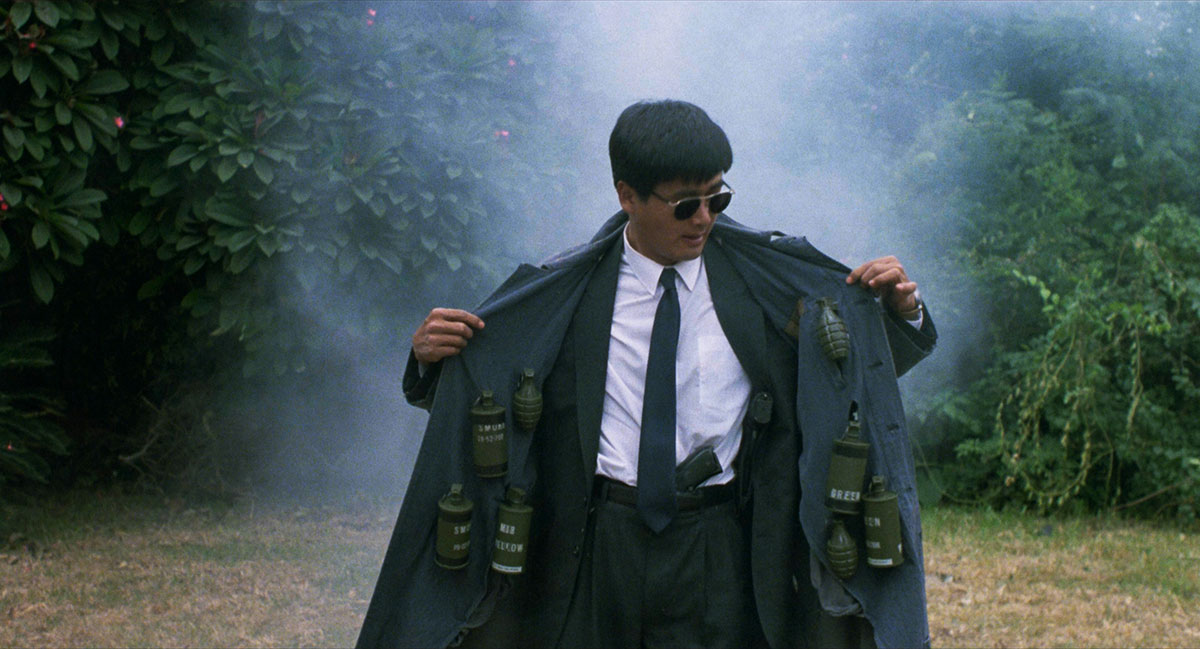
As the final assault approaches, The Crime Syndicate II reaches an almost operatic dimension. Few action films have succeeded in depicting violence with such graphic precision while never losing sight of the human beings behind the weapons. This final half-hour remains a pinnacle of John Woo's cinema, where each movement seems to respond to the previous one with the precision of a musical score. Ti Lung retains all his tragic nobility, Chow Yun-fat continues to radiate on screen, and Dean Shek brings a welcome warmth amidst this ballet of lead and dust. More generous, more ambitious, and even more emotional than its predecessor, The Crime Syndicate II ultimately demonstrates that a sequel can expand a universe without ever diluting its essence. A powerful showcase that strides forth in a wrinkled suit, pockets full of cartridges... and a heart much heavier than the revolvers.
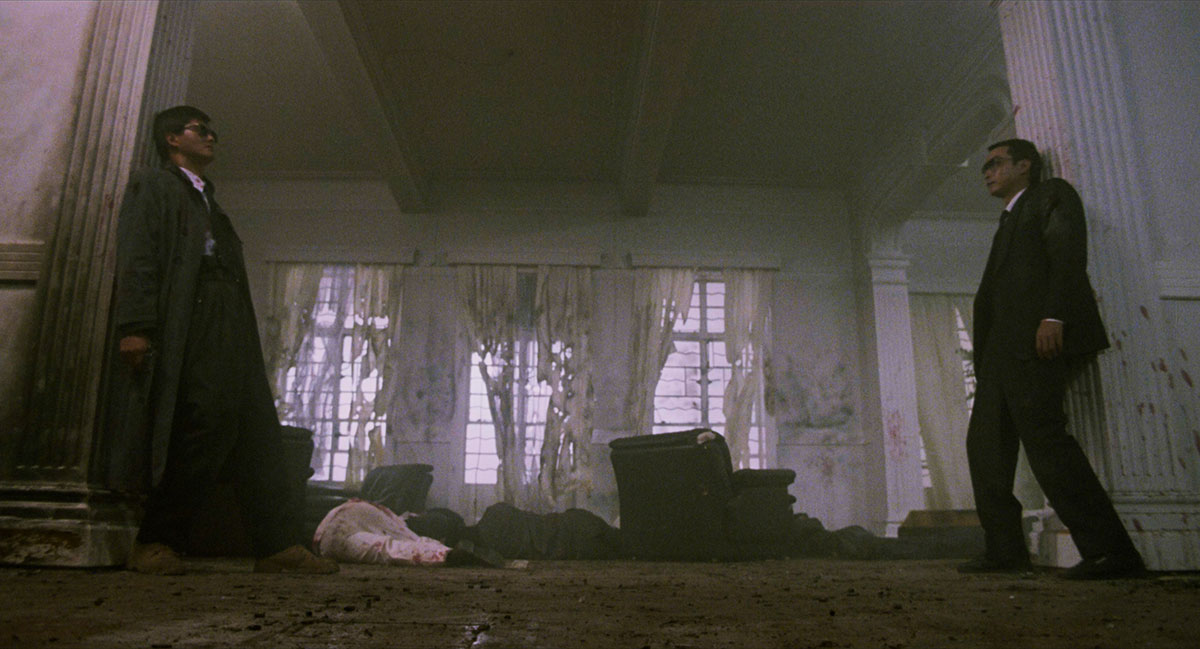
The Crime Syndicate III shifts focus slightly, with John Woo handing the reins to Tsui Hark, who opts to rewind the clock to tell the events preceding the first film. This resulted in a film that has long divided fans of the series, with some lamenting the absence of the tragic breath instilled by its predecessor. However, the film possesses a distinct personality that deserves more than a mere status as the saga's poor relative.