Concerns Rise Among Podiatrists Over Children's Sneakers
With 85% of children wearing sneakers daily, this popular choice raises concerns about their growth. Podiatrists warn about poor posture and frequent falls, emphasizing the importance of proper footwear.
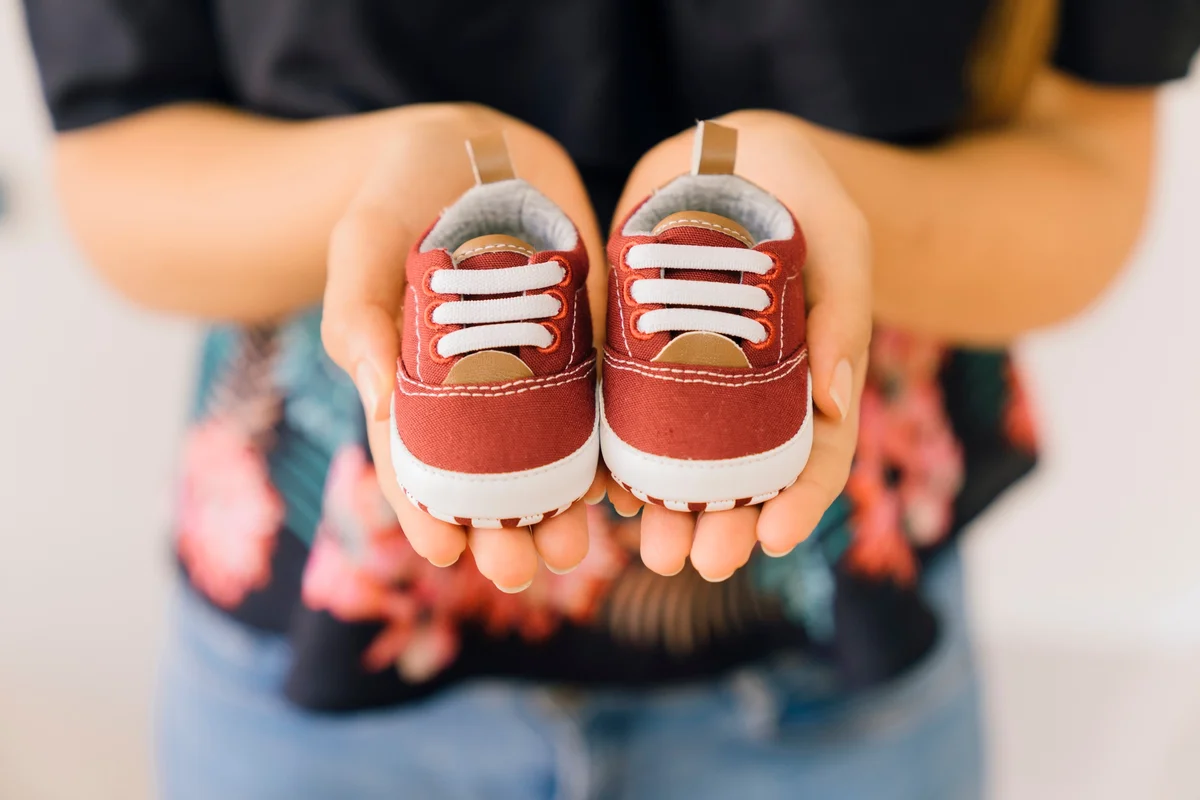
With 85% of children wearing sneakers daily, this popular choice for both aesthetics and practicality raises concerns regarding their growth. As issues like poor posture and frequent falls become more prevalent, specialists are using National Foot Health Day to educate parents on how to properly fit their little ones.
Mornings often turn into a familiar routine: parents scramble to find the quickest pair of shoes to ensure they don't miss the school bell. Sneakers have become the default uniform for young children, appealing to parents with their durability while attracting kids with styles that mimic adult trends.
However, this seemingly sensible choice conceals a more complex physiological reality. A child's foot is not a solid block of bone; it is a malleable structure, a finely-tuned construction site that influences the balance of the entire body for years to come. According to the National Foot Health Observatory, despite children looking more fashionable than ever, only 15% have consulted a professional to ensure their growth is progressing healthily.
Sneakers May Not Support Healthy Growth
It is often overlooked that a child's foot is highly vulnerable to external pressures. During this critical developmental phase, it requires space and sensory feedback to grow properly. When a child spends ten hours a day in shoes that are too rigid or too narrow in the toe box, it restricts the natural spread of their toes.
Even slight compression can alter ground perception and disrupt the learning process of walking or running. Podiatrists express concern over the use of high-performance athletic shoes by children who primarily need flexibility. For optimal foot development, shoes should be so comfortable that they are almost forgotten, featuring a flat sole and enough width to allow the toes to function as stabilizers.
Frequent Falls Signal a Need for Attention
While it's easy to chuckle at scraped knees, thinking it's just part of growing up, a child who frequently falls when they should have mastered walking isn't necessarily just "clumsy" or "distracted." These repeated tumbles can indicate an imbalance in their stance or footwear that fails to provide adequate support upon landing.
Other signs can alert parents without waiting for pain to arise. Feet that turn inward, knees that touch asymmetrically, or excessive wear on one side of the shoe sole are all signals from the body. Even unusual fatigue after a short walk could suggest that the foot's mechanics are overcompensating due to improper footwear.
Early Detection Can Prevent Adult Pain
The good news is that children's bodies possess remarkable recovery abilities. According to the 2024 PodoScore study, nearly 75% of children experience significant improvement in postural issues after receiving appropriate care. Sometimes, a simple recommendation on shoe selection or the use of specific insoles can set them back on the right path.
This is the focus of National Foot Health Day, scheduled for June 10, 2026. Free check-ups and teleconsultations will be available across France to help parents assess their children's foot health without pressure. Taking a few moments to observe a child's gait today can ensure they develop a strong back and legs for adulthood.
As the next school year approaches, perhaps it's time to prioritize flexibility over trendy logos. Your child will thank you later, even if they don't realize it yet amid their playtime antics.