
Declining Birth Rates in France: Insights from INSEE's Latest Data
New data from INSEE for the first half of 2026 confirms a continued decline in birth rates in France, with a notable deceleration compared to previous years. This trend reflects a gradual stabilization that raises questions about the aspirations of future parents.
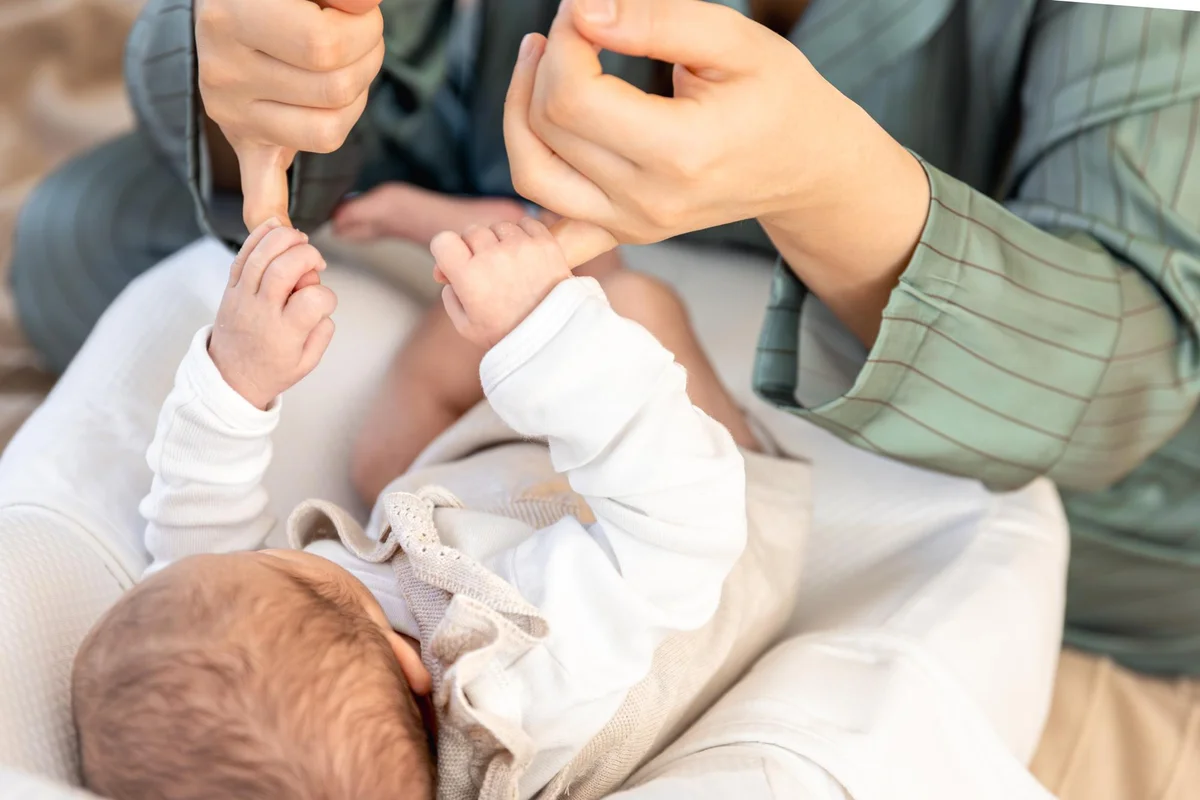
Recent statistics released by INSEE for the first half of 2026 indicate a continued decline in birth rates in France, albeit at a notably slower pace compared to previous years. Following a historically low year in 2025, this trend suggests a gradual stabilization that raises questions about the aspirations of prospective parents. This demographic reality presents a complex picture that directly impacts family life.
Slowing Decline in Births in Early 2026
The demographic data published on July 30, 2026, by the National Institute of Statistics and Economic Studies reveals a more nuanced landscape for French demographics than anticipated. In June 2026, 53,873 children were born in the country, averaging 1,796 births per day. This figure represents a measured decline of 0.7% compared to June 2025. For the first six months of the year, France recorded a total of 313,931 births, down from 317,583 during the same period the previous year, marking a global decrease of 1.1%.
Although the birth rate has yet to show signs of recovery, the pace of decline has significantly slowed. In 2025, the country saw 643,905 births, reflecting a 2.3% drop from 2024 and reaching the lowest level recorded since 1942. Thus, the downward trend that has persisted for approximately fifteen years continues, but with reduced intensity. When examining a decade-long perspective, the contrast remains striking: in the first half of 2016, there were 382,710 births, nearly 69,000 more than today, equating to a reduction of about 18%.
Regional Variations in Birth Rates
The national decline in births conceals significant regional disparities based on the mothers' places of residence. Among the regions with the highest number of births, the decrease is 1.0% in Hauts-de-France and 0.7% in Île-de-France during this first semester.
Conversely, Auvergne-Rhône-Alpes has experienced a stable situation, with the number of newborns remaining exactly the same as in the first half of 2025. INSEE emphasizes that geographical classification is based on the mother's actual residence rather than the location of the maternity ward. These regional nuances highlight how local economic factors, access to family housing, and the availability of early childhood infrastructure influence parental plans.
Changing Aspirations Among Parents
Beneath the raw demographic statistics lies a profound transformation in the perception of family. Today's young adults approach parenthood with heightened expectations regarding their personal, professional, and financial balance. Factors such as housing access, living costs, the division of parental responsibilities, and ecological concerns have become crucial in the decision to start or expand a family.
Rather than indicating a disinterest in childhood, this evolution reflects a more thoughtful and intentional approach to parenting. Ensuring nurturing conditions for children, securing young mothers' journeys, and providing supportive care from the maternity experience remain essential priorities for supporting future families.
You may also like



![Ici tout commence: What to Expect in Episode 1488 on Monday, July 27, 2026 [SPOILERS]](https://glowculturehub.com/cdn/images/b2d3d6d788c39a22a548df320e6d9f77/w1200.webp)