
DPO and Fertility: The Real Calendar to Understand Your Most Fertile Days
DPO, or Days Past Ovulation, is the favorite time marker for those seeking a positive test result. Understanding what is happening in your body during this phase allows you to better cope with the wait and optimize your chances of embarking on the great adventure of parenthood.
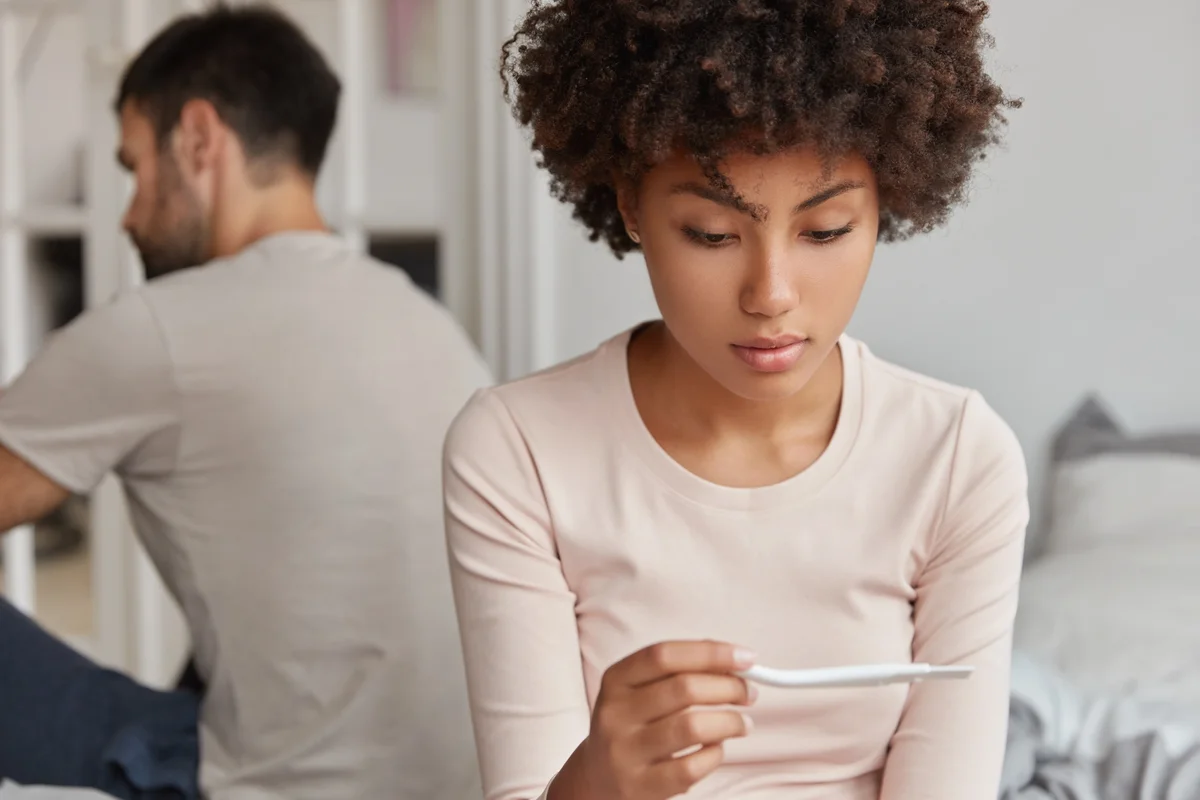
The DPO, or Days Past Ovulation, is the favorite time marker for those seeking a positive test result. Understanding what is happening in your body during this phase allows you to better cope with the wait and optimize your chances of embarking on the great adventure of parenthood.
The Calculation of DPO Starts Right After Ovulation
The DPO countdown begins the day after the egg is released from the ovary. If you ovulated on a Monday, Tuesday corresponds to DPO 1. This phase, which doctors refer to as the luteal phase, is a time of intense transformation. The egg remains fertilizable for only 12 to 24 hours, but since sperm can survive for several days, the window of opportunity is a bit broader than just that single moment.
During the first three days (DPO 1 to 3), the meeting between the egg and sperm results in an embryo if fertilization occurs. This little traveler then embarks on a journey of a few days through the fallopian tubes to reach the uterus. This is an invisible yet fundamental stage where cells begin to actively divide.
Implantation Marks a Key Stage of Pregnancy
Between DPO 6 and DPO 10, the embryo attempts to firmly implant itself in the uterine lining: this is called implantation. It is only from this moment that your body begins to produce the hormone hCG, which is what pregnancy tests aim to detect. Without successful implantation, there can be no pregnancy.
Phase
Biological Event
DPO 1 to 5
Embryo's journey to the uterus
DPO 6 to 10
Implantation and start of hCG production
DPO 10+
Rapid increase in hormone levels
At this stage, some women may experience slight pulling sensations in the lower abdomen or notice light spotting (small pink or brown bleeding). These signs, while encouraging, are not systematic. Fatigue and breast tenderness may also appear under the influence of progesterone, a hormone that naturally rises in the second half of the cycle, whether fertilization occurs or not.
Patience Remains Your Best Ally for Testing
It is tempting to take a pregnancy test as early as DPO 10, but caution is advised. At this stage, the hCG level is often still too low to be detected by a standard urine test, which can lead to a false negative and unnecessary disappointment.
For a reliable result, it is ideal to wait until DPO 12, or even DPO 14 (the presumed day of your period). If doubts persist despite a negative urine test, a blood test remains the reference examination to confirm the news with certainty.
Each cycle is a new opportunity, and each body reacts at its own pace. If the two-week wait after ovulation feels endless, try to disconnect from forums to focus on activities that bring you joy. Conception is a journey that sometimes requires a bit of time and a lot of kindness towards oneself.
If doubts persist or if the baby project is taking longer to materialize after several months, do not hesitate to consult a specialist. Compassionate medical support can often help remove obstacles and provide personalized answers.