Exploring the Absurdity of Consumption in "The Stuff"
Larry Cohen's 'The Stuff' presents a satirical yet unsettling commentary on American consumerism through the lens of a bizarre dessert that turns its consumers into zombies.
 Release Year: 1985
Director: Larry Cohen
Writer: Larry Cohen
Cast: Michael Moriarty, Andrea Marcovicci, Garrett Morris
Distributor: Rimini Éditions
Duration: 1h27
Genre: Fantasy
Blu-ray Release Date: August 7, 2026
Release Year: 1985
Director: Larry Cohen
Writer: Larry Cohen
Cast: Michael Moriarty, Andrea Marcovicci, Garrett Morris
Distributor: Rimini Éditions
Duration: 1h27
Genre: Fantasy
Blu-ray Release Date: August 7, 2026
In the mid-1980s, a peculiar dessert dubbed "The Stuff" became a nationwide sensation, captivating consumers with its irresistible taste. As the product gained popularity, David Rutherford, a former cop with dubious methods, is tasked with uncovering the secret behind this miraculous substance. Meanwhile, a young boy named Jason realizes with horror that this strange creation is alive. Together, they come to understand that The Stuff possesses both body and mind, turning its consumers into mindless zombies.
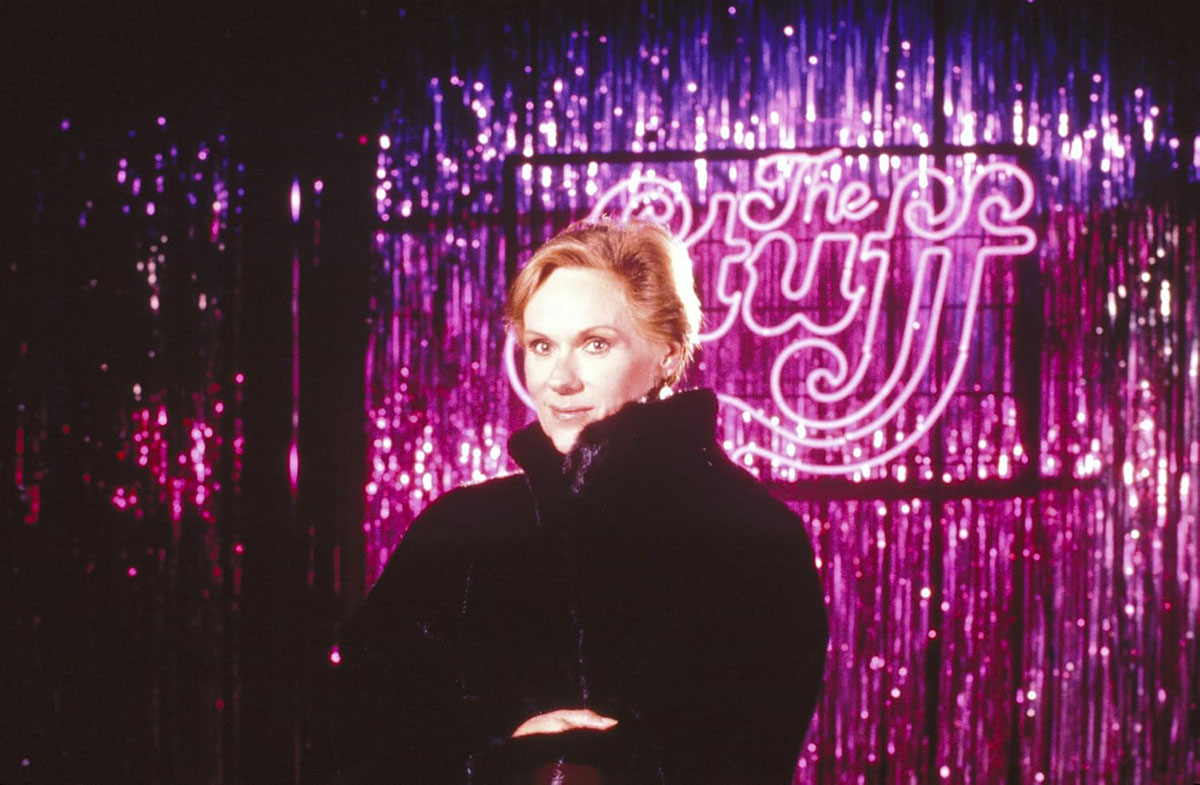
The Film
Rating: 3.5/5
Larry Cohen, a pivotal figure in American B-movie cinema, has gifted genre films of the 70s and 80s with some of their most memorable gems. Renowned primarily as a screenwriter, Cohen occasionally took on directing duties to bring his wildly imaginative concepts to life. From mutant babies to flying dragons attacking New York, his creativity knows no bounds. The Stuff stands out as one of the most joyous expressions of this creative madness, cleverly embedding a sharp commentary on an America willing to devour anything as long as advertising promises happiness in a container.
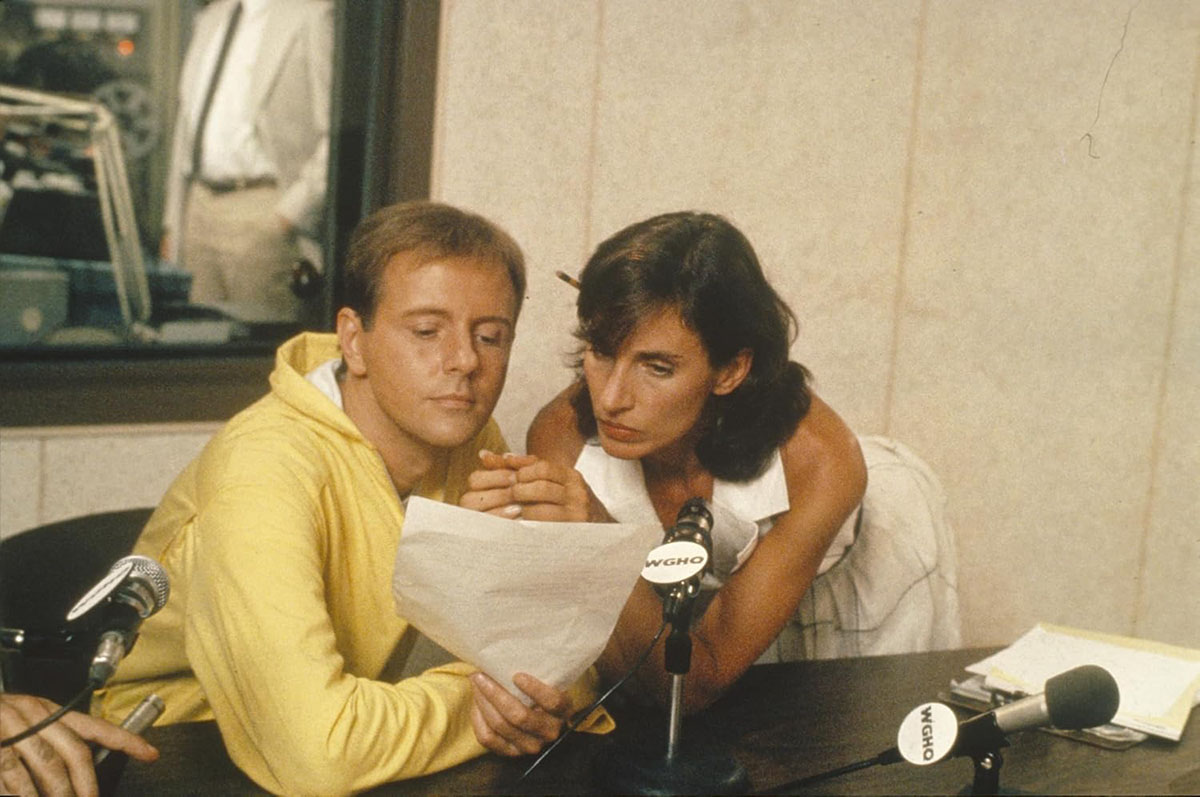
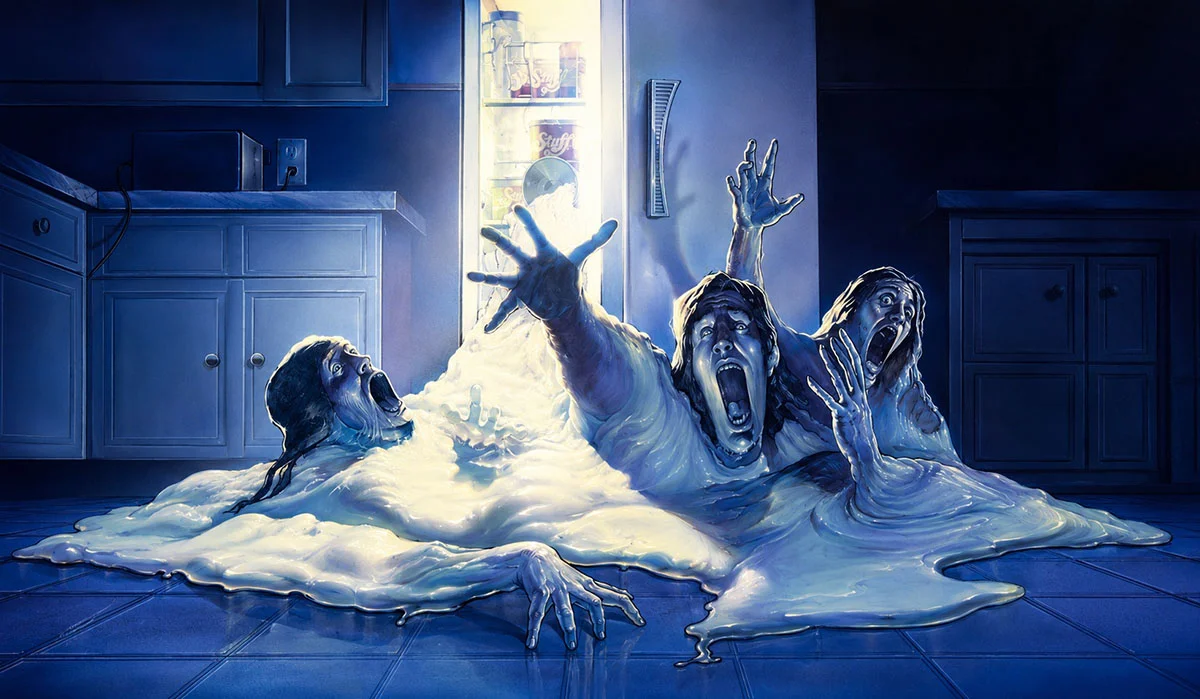
Cohen invites viewers into a carnival-like experience, where each attraction conceals a political reflection. The white creature he conjures immediately recalls the Blob from Irvin S. Yeaworth Jr., another amorphous mass consuming everything in its path with a blend of horror and irony. However, unlike The Blob, which represented an external threat, The Stuff imagines a danger that humanity eagerly commercializes and sells with alluring branding and hypnotic advertisements. This twist is both delightful and unsettling, transforming grocery aisles into ideological battlegrounds. When the factory producing The Stuff is sandwiched between McDonald's and KFC, Cohen's visuals speak volumes, encapsulating the film's satirical essence as if a giant billboard were critiquing its own industry. Beneath this playful irreverence lies a surprisingly modern examination of consumerism, multinational corporations, and the crowd's unsettling ability to confuse desire, need, and addiction.
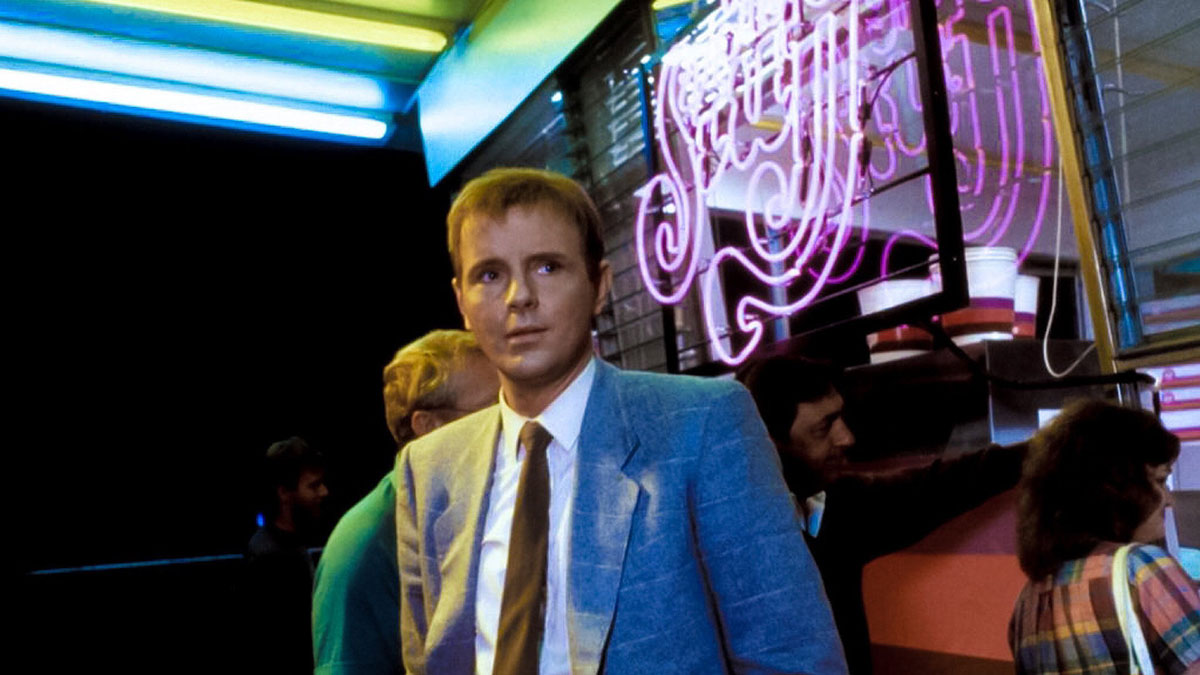
Despite its imperfections and dated special effects, the most captivating aspect of The Stuff is its ability to weave satire seamlessly into its narrative. Every commercial, every artificial smile from a salesperson, and every consumer unable to resist the creamy substance contribute to a universe where capitalism has found a way to bypass free will. The film echoes Coca-Cola's campaigns, which promise universal happiness and have permeated American popular culture for decades. Yet, it pushes this logic to a breaking point: here, the product creates not just psychological dependence but literally possesses its consumers. This brilliant idea transforms economic critique into a living nightmare. Long before algorithms, social media, or behavioral marketing became everyday topics, The Stuff hinted that the greatest predator might not be the one who hunts its prey but the one who convinces it to want to be consumed.
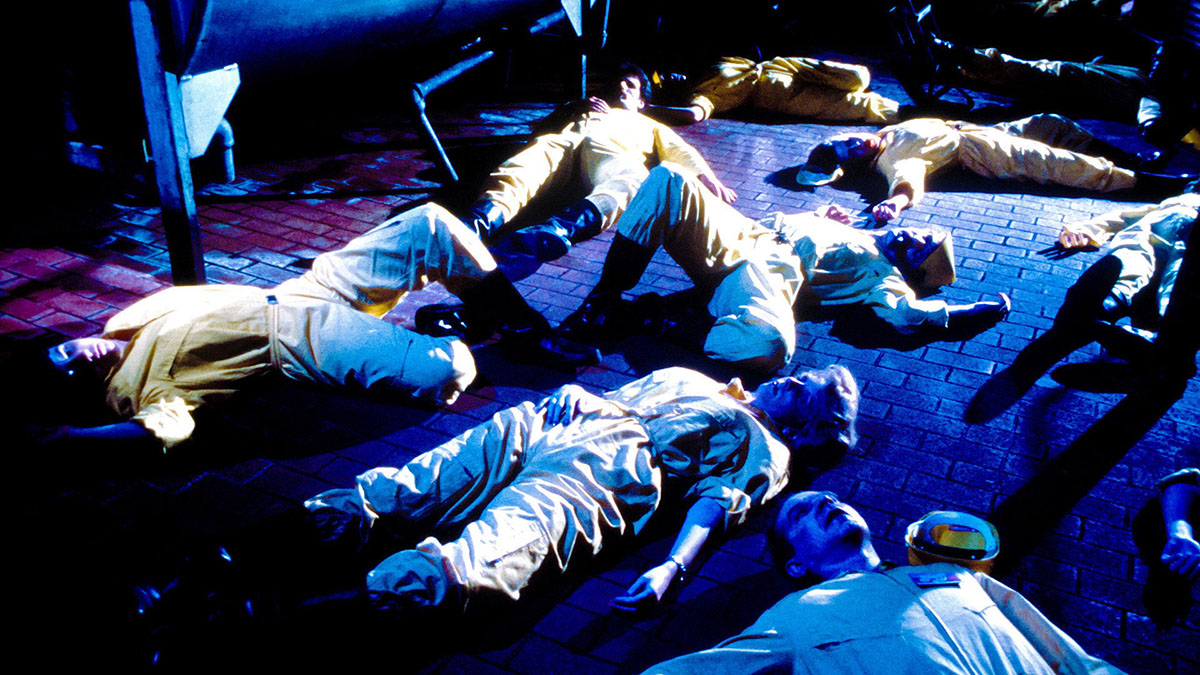
Cohen's directorial flair shines through as he turns budgetary constraints into creative fuel. The handcrafted special effects, models, optical tricks, and impressive flows of white matter possess a nostalgic charm from a time when monsters physically inhabited the set rather than emerging from computer memory. The famous motel scene, where The Stuff gradually invades a room before spilling over like an absurd tide, remains a spectacular and delightfully grotesque moment. The Stuff thrives on the tension between humor and discomfort, farce and disaster. One moment, viewers laugh at a ridiculous line; the next, a child gazes at their parents with chilling concern, aware that something invisible has already replaced them. This constant oscillation gives the film a unique personality: beneath its zany B-movie exterior lies a work that stubbornly refuses to choose between entertainment and political critique, opting instead to let both dance together in a somewhat gooey and devilishly inspired waltz.

This audacious tone explains why The Stuff retains its irreverent freshness even today. Many satires age alongside their references, yet Cohen's film seems to gain new layers of meaning as the world refines its commercial seduction techniques. It speaks to advertising, brands, and mass consumption while also addressing the curious ease with which a slogan can sometimes replace independent thought. Characters no longer merely purchase a product; they adopt an identity, a reflex, a habit that ultimately consumes everything else. Behind the sprays of white foam and the explosions of deliberate bad taste lies a near-philosophical inquiry into consent. At what point do we stop making choices? When does a desire become a program? Cohen never provides definitive answers, preferring instead to let his enormous creamy mass serve as a distorting mirror reflecting America's advertising smile. The most unsettling aspect is that this reflection appears almost more credible today than in 1985, at a time when viral trends, streaming, short videos, and automated recommendations shape new desires ready for consumption.

_Cohen's film also embraces its irreverence through humor. He employs tonal shifts that might raise eyebrows today, especially with the character of Moe Rutherford, portrayed by the irresistible Michael Moriarty, alongside a cast of exaggerated figures seemingly plucked from a bad taste contest. Yet, this irreverence never descends into cynicism. Instead, it fuels a continuous energy, as if the film obstinately refuses to become a mere pamphlet disguised as a monster movie. Moriarty strikes the perfect tone with his blend of nonchalance, opportunism, and mischief, while Andrea Marcovicci, Garrett Morris, and the unforgettable Paul Sorvino add to this satirical carnival with infectious delight. Over forty years after its release, The Stuff remains an authentic oddity: a film capable of generating laughter, inducing mild nausea from its gooey excesses, and prompting reflection long after the credits roll. Few B-movies can claim to have transformed a simple dessert container into a cultural time bomb. Larry Cohen achieved this with disarming aplomb, once again demonstrating that the most outlandish ideas often stick in our memory the longest… much like that strange white substance best avoided on a second scoop.
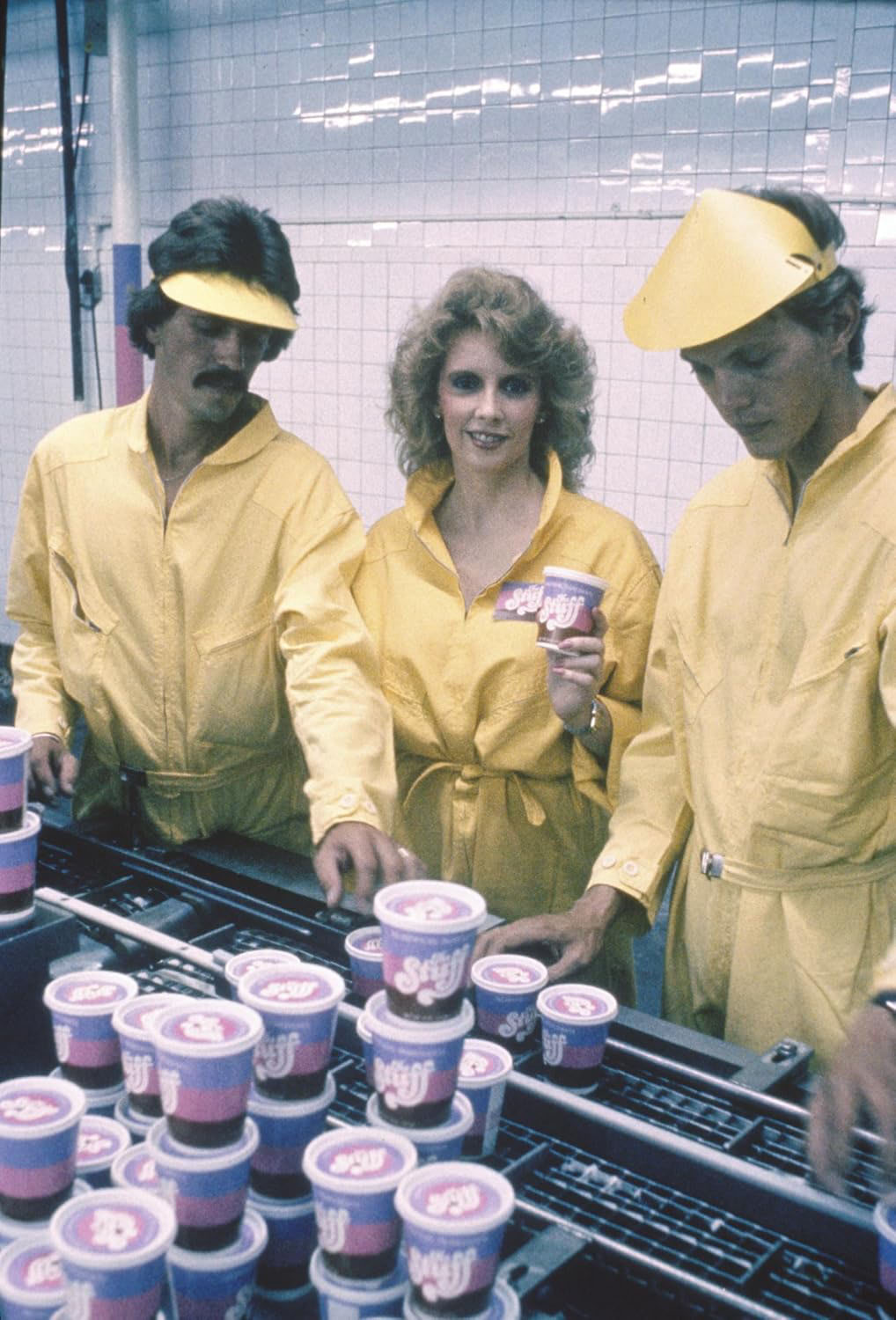
The Blu-ray
Rating: 4/5
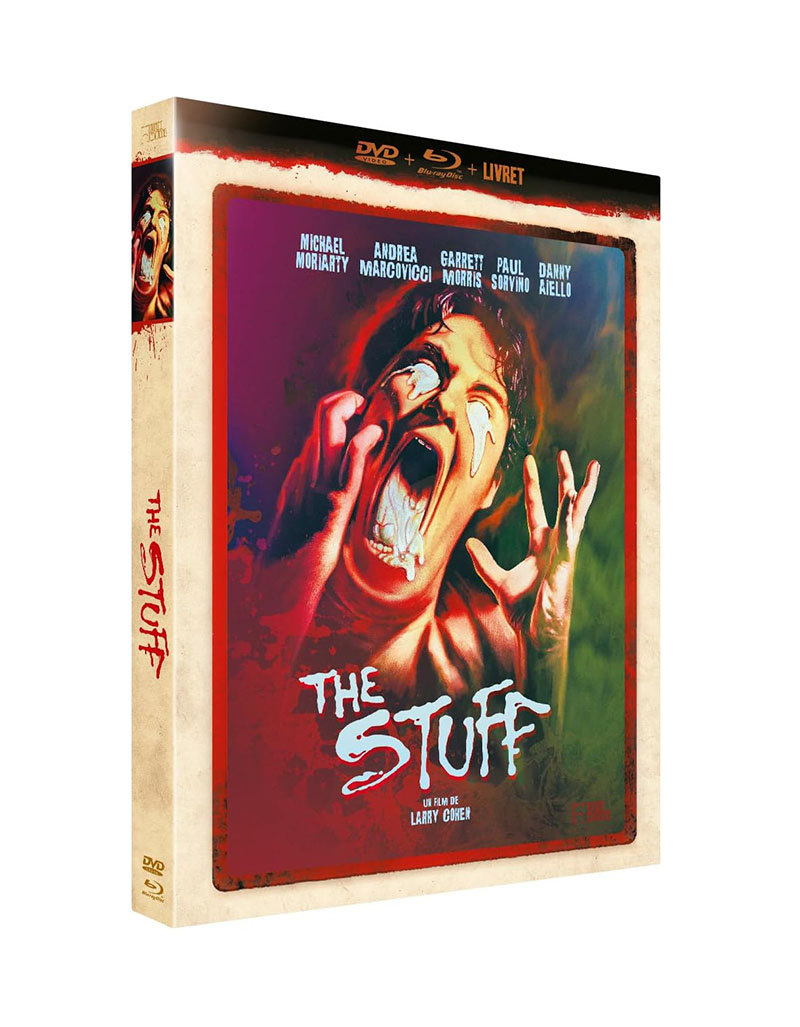
Rimini Éditions continues its commendable effort to revive genre cinema by releasing a meticulously crafted Blu-ray of The Stuff this month, showcasing Larry Cohen's overflowing imagination. The disc comes in an elegant cardboard sleeve featuring the original poster, fitting perfectly within the publisher's editorial line, which aims to shine a light on the golden age of American B-movies. The image quality impresses with its stability and detail, preserving the film's grain naturally while revitalizing colors without succumbing to artificial saturation. Contrasts highlight numerous nighttime scenes and mechanical special effects beautifully. While some shots reveal the limitations of the era's shooting conditions or optical effects, nothing detracts from the overall enjoyment of the film. The audio tracks in both French and original English DTS-HD Master Audio 2.0 are equally satisfying. The original version captures Moriarty's unique delivery and the energy of Cohen's dialogues, while the French dub is particularly charming, featuring a delightfully quirky voice cast and clear dialogue.
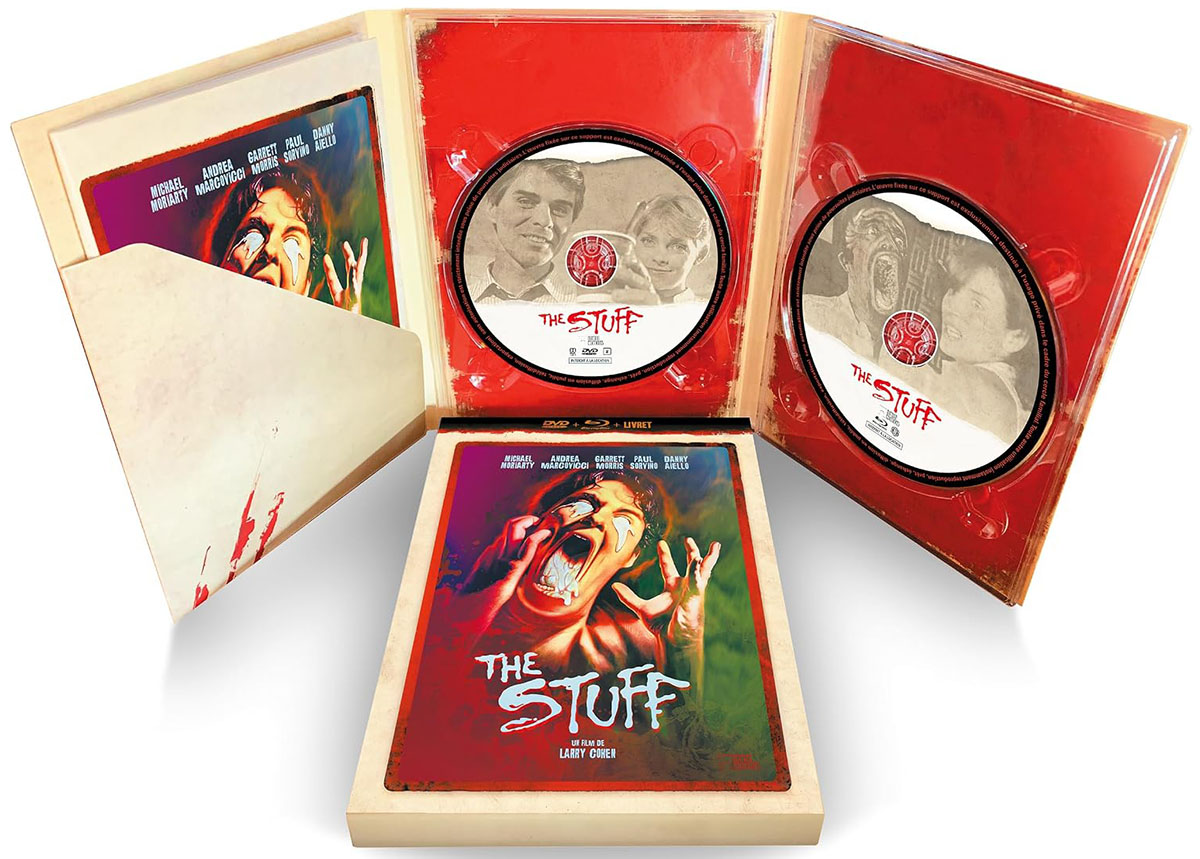
The supplementary materials also add significant value to this edition. A film presentation by Mylène Da Silva (14 minutes) provides good context for the work, enthusiastically discussing The Stuff's unique place in Larry Cohen's filmography while highlighting the modernity of its commentary on consumer society. However, the true highlight of this release is the fascinating retrospective making-of (52 minutes), which, despite some subtitle errors, is remarkably rich. Featuring insights from Larry Cohen, producer Paul Kurta, actress Andrea Marcovicci, and makeup and special effects experts, this documentary offers a deep dive into the film's creative process and cultural impact.
You may also like