
Exploring the Genres of Spanish Cinema
An exploration of the various genres within Spanish cinema, including historical, colonial, biographical, religious, musical, horror, and tourism films.
Historical Cinema
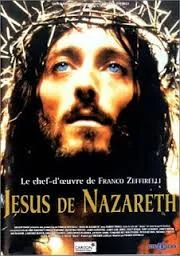
Spanish historical cinema captures significant events from the past, portraying both grand achievements and everyday life in bygone eras. This genre can be subdivided into various subgenres, each offering a unique perspective on history.
Colonial Cinema
This subgenre draws inspiration from both the age of exploration and the decline of colonialism. Notable films include Alba de América (1951) and major productions made for the fifth centenary, such as 1492: Conquest of Paradise and Christopher Columbus: The Discovery. These films featured international stars like Gérard Depardieu and Marlon Brando, respectively. Other significant works include a biographical film about Álvaro Núñez Cabeza de Vaca and the adventures of Vasco Núñez de Balboa in Conquistadores del Pacífico. Additionally, La Araucana (1971), based on the renowned poem by Alonso de Ercilla, is worth mentioning. However, the film that made the most impact within this subgenre is El Dorado (Carlos Saura, 1988), which, at the time of its release, was the most expensive film in Spanish cinema history.
Biographical Cinema
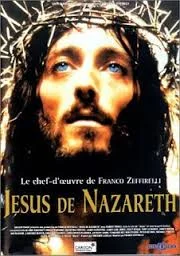
Biographical films in Spanish cinema often take creative liberties with the lives of historical figures. Noteworthy portrayals include adaptations of Miguel de Cervantes and El Greco, as well as various films about Francisco de Goya. Goya's life has inspired not only a television series but also five films, among which Goya in Bordeaux by Carlos Saura stands out for its numerous Goya Awards.
Religious Cinema
Reflecting the significant role of religion in Spanish history, religious-themed films gained immense popularity in the 1950s, both domestically and internationally. A landmark in this genre is Marcelino, pan y vino (Ladislao Vajda, 1955), based on a story by Jose Maria Sanchez Silva, which became the first major international success for Spanish cinema. This genre can be further divided into several subgenres, including:
- Religious themes
- Lives of saints
- Biblical narratives
Musical Cinema
Spanish musical cinema emerged alongside the advent of sound in film. Unlike most Western film industries, aside from the American one, Spain developed a distinct musical genre that has remained deeply rooted in its cultural identity. Despite facing production and box office challenges similar to those in the U.S. from the 1970s onward, the genre flourished during the Second Republic, with directors like Florián Rey leading the way. The foundations of this popular genre were built on the famous zarzuelas, a uniquely Spanish theatrical form. Today, the genre is nearly extinct, producing only sporadic and highly Americanized titles, with Carlos Saura being one of the few directors still occasionally engaging with it.
Horror Cinema
Spanish horror cinema has seen significant contributions from filmmakers since the late 1960s. While Alejandro Amenábar's The Others is often regarded as the pinnacle of Spanish horror, low-budget horror films from earlier decades gained recognition, particularly outside of Spain. Directors such as Carlos Aured, Jesús Franco, León Klimovski, Amando de Ossorio, Enrique Lopez Eguiluz, and Jacinto Molina were instrumental in this movement. Notably, Jacinto Molina, known by his pseudonym Paul Naschy, became the most prolific actor in the genre, famously portraying the werewolf and various other monsters. His works include La marca del hombre lobo and its sequels. Following the success of The Others, the genre has regained prominence with films like The Orphanage by Juan Antonio Bayona and contributions from directors like Jaume Balagueró and Paco Plaza.

Tourism Cinema
Another recurring genre in Spanish cinema during the 1960s and early 1970s was tourism cinema, which promoted Spain's coastal tourist destinations. Films such as Amor a la española (Fernando Merino, 1966), El turismo es un gran invento (Pedro Lagaza, 1968), and Fin de semana al desnudo (Mariano Ozores, 1974) exemplify this trend, showcasing the allure of Spain's scenic locales.
You may also like