
Groundbreaking Fetal Surgery Offers Hope for Parents Facing Complex Prenatal Diagnoses
A baby with a severe intestinal malformation underwent surgery at 26 weeks gestation, directly in the mother's womb. This unprecedented medical first opens immense hope for families facing complex prenatal diagnoses.
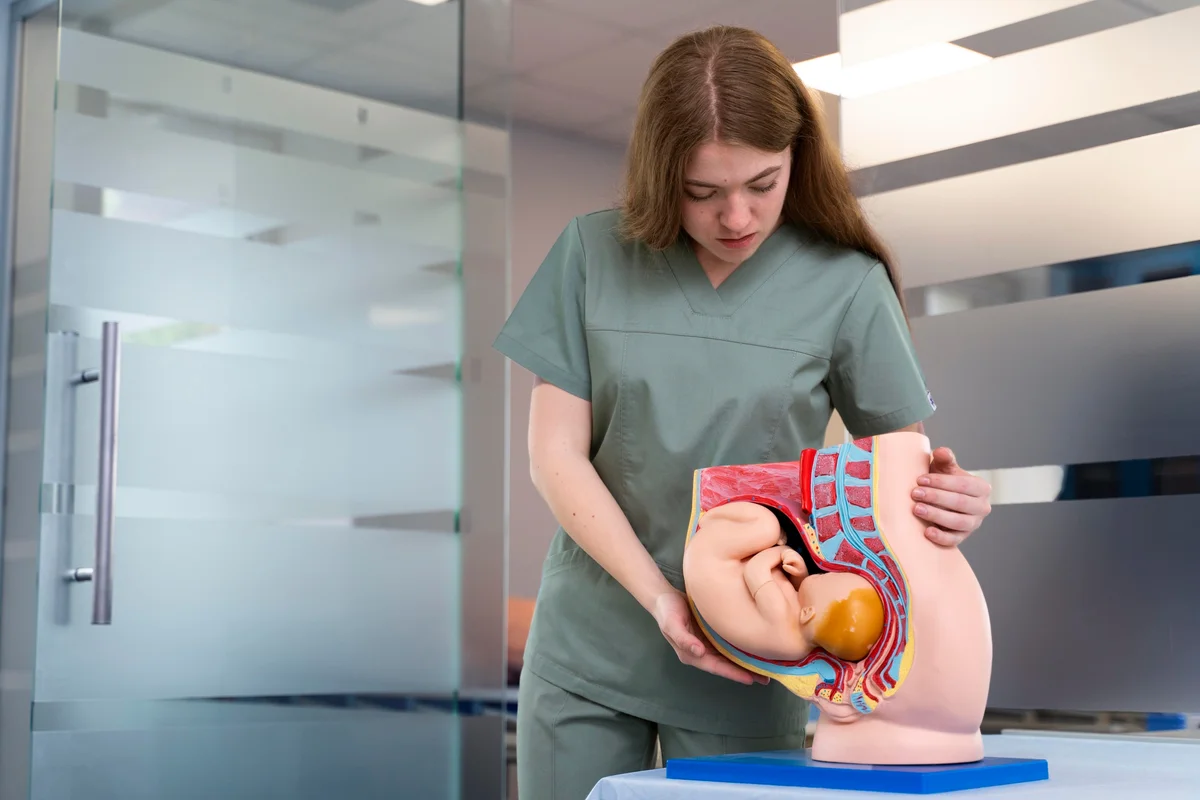
A baby diagnosed with a severe intestinal malformation underwent surgery at just 26 weeks gestation, performed directly within the mother’s womb. This unprecedented medical achievement brings immense hope to families grappling with complex prenatal diagnoses.
The Fifth-Month Ultrasound: A Moment of Joy Turned Uncertainty
For many expectant parents, the 20-week ultrasound is a joyful milestone, a moment to envision their child's future. However, for Maisie and Josh, a couple from London, this appointment marked a drastic turn in their lives. During the scan, doctors diagnosed their unborn baby with a serious case of gastroschisis. This congenital anomaly, affecting approximately one in every 3,000 births, is characterized by an opening in the abdominal wall that fails to close properly, resulting in the digestive organs developing outside the body and exposed to amniotic fluid.
In most instances, medical teams opt to wait until birth to intervene. However, in severe cases, prolonged exposure to amniotic fluid can significantly damage the tissues. For little Theo, specialists anticipated a lengthy stay in neonatal intensive care, multiple surgeries, and serious digestive complications. In light of this daunting prognosis, Great Ormond Street Hospital in London referred the couple to a groundbreaking clinical trial at Texas Children’s Hospital.
Transforming the Womb into a Surgical Space
At 26 weeks gestation, surgeons performed an extraordinary procedure: repairing the baby's malformation while still in the womb. After administering an injection to relax the fetus's abdominal muscles, the medical team temporarily drained the amniotic fluid and replaced it with gas. Using microsurgical instruments, the doctors gently reintegrated the intestines into the abdomen before closing the opening.
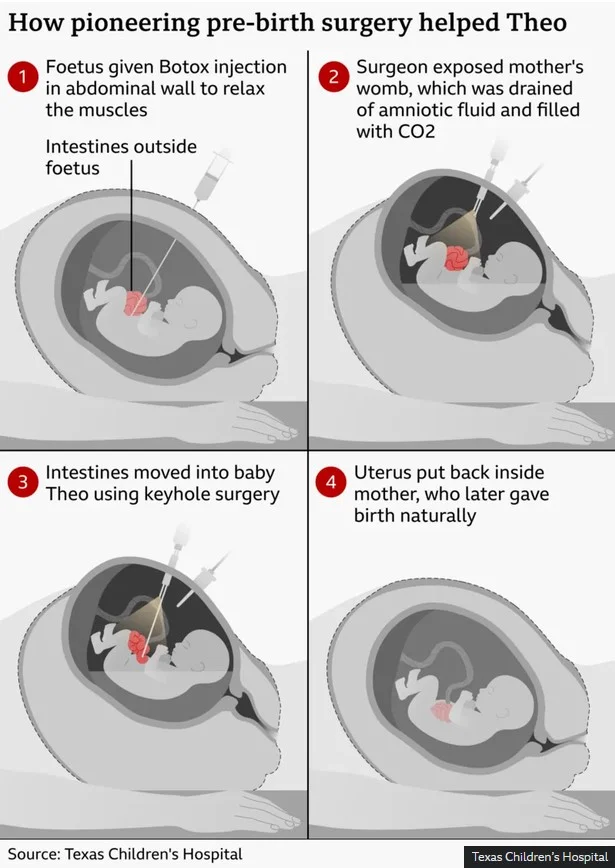
The journey was demanding for the expectant mother, requiring significant courage. The recovery process was challenging, marked by a substantial scar as the baby continued to grow in utero. A similar feat was achieved in Europe by the BCNatal team in Barcelona on a fetus weighing just 700 grams. Both procedures have yielded very encouraging outcomes: the babies have been born at term or close to it, are feeding normally, and are developing like any infant their age.
Prenatal Advances Bring Peace of Mind to Families
While this exceptional intervention is not intended to become routine, as it is quite taxing for the pregnant woman, it is reserved for the most complex 10% of gastroschisis cases, where postnatal prognosis is bleak. Nevertheless, the success of these clinical trials raises hopes that this technique could eventually become the standard treatment for severe forms, potentially sparing newborns months of suffering and intensive care upon arrival.
Beyond this specific malformation, fetal medicine illustrates that it is no longer merely an observational field; it now possesses the capability to intervene and protect the child before birth.
You may also like