How to Address Extremely Dry Skin: Our Expert Tips
What to do about extremely dry skin? Did you know that one in three adults in Germany suffers from tight, flaky skin? This guide offers solutions and tips for relief.
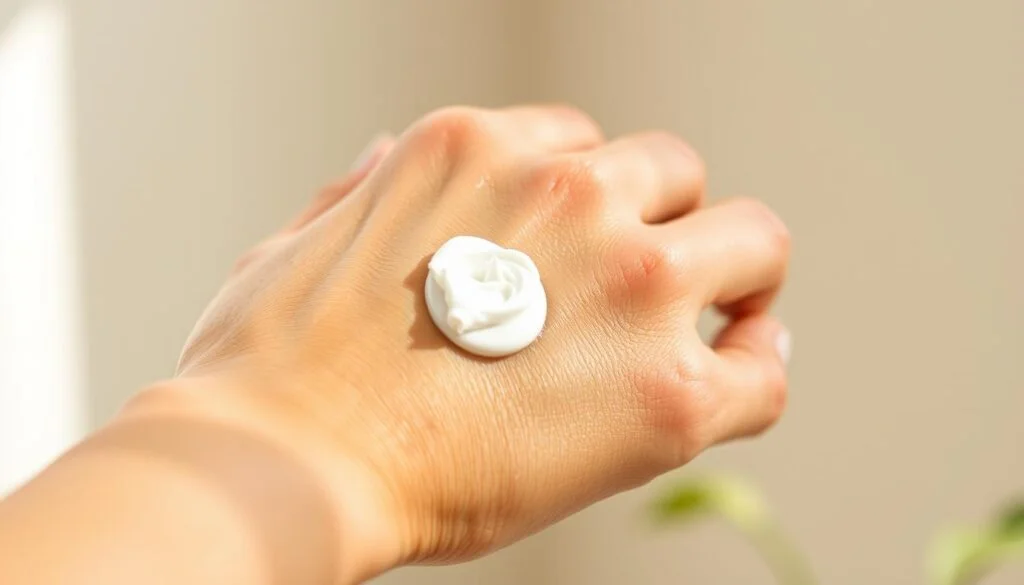
Extreme dry skin is a common issue, affecting one in three adults in Germany. This statistic surpasses even the prevalence of hay fever. Individuals suffering from this condition often experience cracks, redness, and an unbearable feeling of tightness that can significantly disrupt daily life.
Fortunately, there are effective solutions available. Medically referred to as Xerosis, this skin condition arises from a compromised protective barrier. Environmental factors, improper skincare, or hormonal changes can exacerbate the problem. The good news: With the right knowledge, balance can be restored.
This guide combines scientific insights with practical applications. You’ll learn which ingredients provide immediate relief and how to achieve long-lasting, supple skin. We will cover everyday tips as well as more in-depth treatment approaches.
Introduction: Causes and Symptoms of Dry Skin
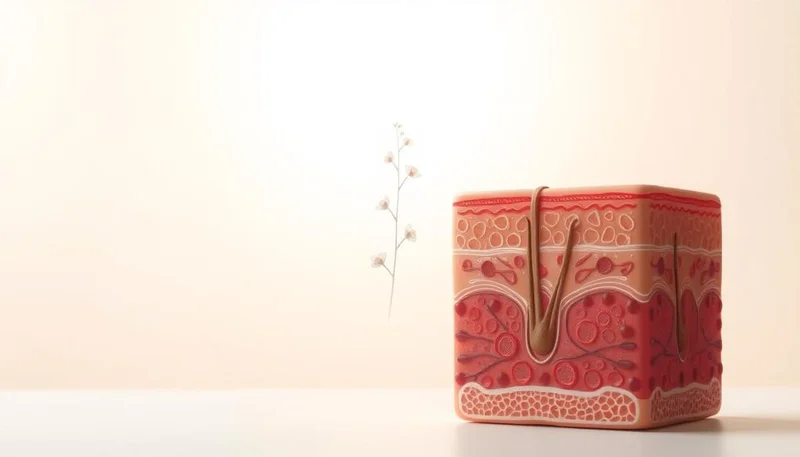
Healthy skin typically serves as a protective barrier with a moisture content of 10-15%. The causes of dryness often lie deep within the skin: a lack of lipids such as ceramides and omega fatty acids weakens this barrier. At the same time, the protein filaggrin, which stabilizes skin cells, decreases.
Disrupted Protective Mechanisms
Three key components can become unbalanced: the hydrolipid film, natural moisture-retaining factors, and enzymes responsible for skin renewal. This deficiency trio allows irritants to penetrate the skin. As a result, the skin barrier loses its ability to buffer against temperature fluctuations or chemical influences.
Visible and Sensible Symptoms
Initial signs include rough patches and reduced elasticity. Itching occurs when nerve endings are exposed due to cracks in the skin. Fine scales that flake off upon touch are also typical. In chronic cases, eczema or network-like dryness lines may develop.
It’s important to note that these symptoms often worsen in winter. Heated indoor air strips lipids away, while cold weather hinders circulation. Our advice: Monitor whether redness persists for more than 48 hours—this indicates treatment is necessary for barrier damage.
Acute irritations require clear action plans. Affected areas need special attention within the first 24 hours. Our focus: Barrier repair and breaking the cycle of dehydration.
Initial Steps for Relief
Start with lipid-rich creams containing ceramides and urea. This combination can seal cracks within 20 minutes. It’s crucial to apply these products immediately after washing, when pores are still open.
| Measure | Effect | Application | |----------------------------|---------------------------------------|---------------------| | pH-neutral cleansing lotion | Preserves the natural acid mantle | Maximum once daily | | Moisture compresses | Reduces the feeling of tightness | Leave on for 10 min | | Nourishing balm | Prevents overnight moisture loss | Before bedtime |
Defining Key Care Goals
Analyze the affected areas: elbows and shins often require more intensive care than other parts of the body. Document your progress with photos or notes.
| Goal | Time Frame | Measure | |--------------------|------------|-------------------------------| | Stop itching | 48 hours | Cortisone-free ointments | | Improve elasticity | 2 weeks | Omega-3 supplements | | Reduce scales | 4 weeks | Enzyme peels |
A successful plan differentiates between immediate relief and long-term regeneration. Check weekly to see if redness decreases and skin texture improves.
Internal and External Influencing Factors
Skin issues rarely arise from a single trigger. Often, multiple factors interact, impacting our skin’s protective layer from within and outside. We will explore how these mechanisms interconnect.
Medication and Hormonal Changes
Certain medications can disrupt moisture balance. Retinoids used for acne can reduce sebaceous gland activity by up to 60%. Diuretics and cholesterol-lowering drugs can also deplete lipids. Hormonal fluctuations during menopause decrease collagen production, leading to a loss of skin elasticity.
As we age, cell renewal slows down. Sebaceous glands produce only half as much oil after the age of 40 compared to younger years. This explains why many individuals face dryness later in life.
Effects of Cold, UV Rays, and Heated Air
Temperatures below 8°C can cause sebaceous glands to freeze. At 4°C, production halts completely, resulting in a loss of the skin's natural protective film. Simultaneously, heating systems dry out the air, causing moisture to evaporate from the skin’s outer layer more rapidly.
| Environmental Factor | Effect | Countermeasure | |----------------------|------------------------------------|------------------------------| | UV radiation | Destroys lipid barrier | Antioxidant serums | | Air conditioning | Reduces humidity to 30% | Humidifiers | | Winter wind | Extracts moisture from pores | Barrier creams |
These external influences often exacerbate one another. Individuals on medication exposed to cold temperatures require particularly intensive skincare routines.
Proper Cleansing and Gentle Skin Care
Many underestimate the impact of daily cleansing on skin health. Water can become an enemy if not used properly, especially for sensitive areas. Here’s how to optimize your cleansing ritual.
Showering and Bathing Tips
Warm temperatures below 37°C protect the hydrolipid film. Hot water can dissolve up to 40% of natural fats within 90 seconds. Ideally, limit shower time to 3-5 minutes to prevent dehydration.
Opt for nourishing cleansing gels with ceramides. Products like LIPIKAR Syndet AP+ bind minerals from hard tap water and leave a protective film. Important: Only cleanse heavily used areas like armpits or feet daily.
| Mistake | Consequence | Correction | |--------------------------|--------------------------------------|-----------------------------| | Long baths | Swelling of the outer layer | Maximum 10 minutes | | Rubbing when drying | Micro-tears | Pat gently | | Alkaline soaps | Increased pH levels | pH 5.5 products |
Apply moisturizer within 3 minutes after showering, as the skin optimally absorbs active ingredients at this time. Proper care combines gentle cleansing with targeted lipid replenishment, stabilizing the barrier function over the long term.
Body Care: Hands and Legs
Certain skin areas require tailored solutions. Hands and lower legs are among the most sensitive zones, lacking natural fat reserves. Our focus is on strategies that effectively combat roughness and tightness.
Protective Ritual for Strained Hands
Our hands suffer daily from environmental influences. With only five sebaceous glands per cm², they dry out 12 times faster than other body parts. The solution: CICAPLAST hand creams create a breathable protective film.
Use nourishing formulas after every contact with water. Apply the cream in a clockwise direction to enhance absorption. For nighttime use, choose textures with bisabolol, which helps repair micro-tears.
Intensive Treatment for Rough Leg Areas
Shins are prone to flaking due to poor circulation. LIPIKAR Lait Urea 10% provides moisture, while panthenol alleviates itching. For rough texture, a gel with 30% urea gently exfoliates dead skin cells.
Always massage products from the ankles upwards to stimulate microcirculation. Combine moisturizing creams with oil baths twice a week—almond oil further strengthens the barrier.
FAQ
How does extremely dry skin develop?
A disrupted skin barrier, often due to lipid deficiency or reduced sebaceous gland activity, leads to dryness. External factors like cold, heated air, or harsh cleansers can worsen the issue. Conditions such as diabetes or atopic dermatitis also play a role.
What care helps with itching and scaling?
We recommend nourishing creams with urea or glycerin, which bind moisture and strengthen the skin barrier. Avoid perfumed products and choose gentle formulas, especially in winter or during hormonal changes.
Can diet prevent dry skin?
Yes! Omega-3 fatty acids from fish, nuts, or flaxseed oil support lipid production. Drink plenty of water and include vitamin E-rich foods like avocados in your diet. For atopic dermatitis, a personalized nutrition plan may be beneficial.
Why does the problem worsen with age?
After the age of 40, sebaceous glands produce less oil, and the skin’s ability to retain moisture decreases. Specialized anti-aging skincare lines with ceramides can help counteract this natural process.
How can I protect my hands and legs in summer?
Apply moisturizing lotions with SPF after swimming. For legs, lightweight oils that don’t stick are ideal. Cotton clothing reduces friction—exfoliating with lactic acid helps with scaling.
Are hot showers and sauna visits harmful?
Yes, overly hot water strips lipids away. Limit showers to a maximum of 10 minutes at 35°C and use pH-neutral cleansing lotions. After sauna sessions, apply moisturizing creams immediately to prevent redness.