
Itaca – Il ritorno: Exploring the Differences Between the Film and Homer's Odyssey
Itaca – Il ritorno, directed by Uberto Pasolini, takes a unique approach to one of literature's most famous tales. Instead of adapting the entire Odyssey, the film focuses on the final days of Odysseus's journey, emphasizing the psychological impact of war and the changes in family dynamics.
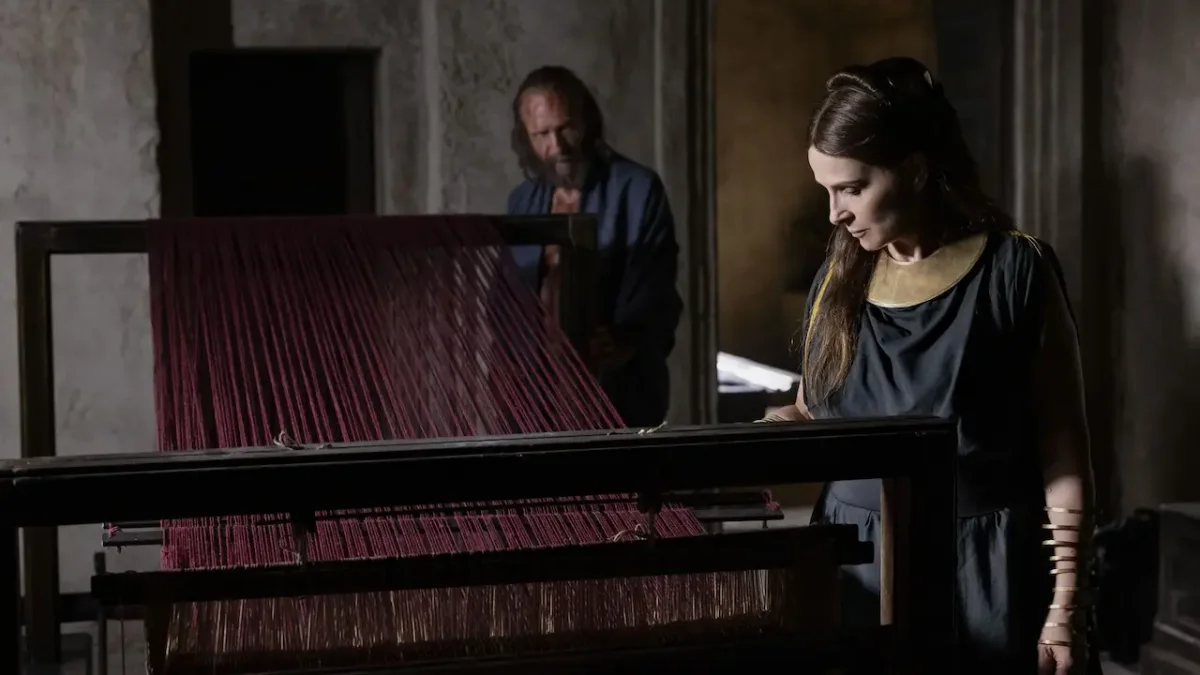
Itaca – Il ritorno, directed by Uberto Pasolini, delves into one of the most renowned tales in Western literature, taking an unexpected approach. Rather than adapting the entire Odyssey by Homer, the film focuses solely on the final days of Odysseus's journey, highlighting his return home and the challenging confrontation with a family and kingdom that have changed profoundly after twenty years of absence. The outcome is a film that retains the structure of the poem but alters its tone, perspective, and meaning.
Those expecting a faithful adaptation of Homer’s work, complete with deities, legendary creatures, and grand adventures, will instead find an intimate narrative built upon character psychology and the consequences of war. Many of the differences introduced by Pasolini are not mere cinematic adaptations; they are narrative choices that transform the essence of the story. Analyzing these changes provides deeper insight into the film's objectives and how it engages with one of the foundational texts of Western culture.
Why Itaca – Il ritorno Focuses Solely on the Final Segment of the Odyssey and How It Alters the Meaning of the Ending
Unlike many adaptations that showcase the adventures of Odysseus (including the current film by Christopher Nolan), Itaca – Il ritorno chooses to depict only the concluding segment of the Odyssey. The journey across the Mediterranean, encounters with Polyphemus, the Sirens, Circe, Scylla, Charybdis, and all the episodes that have immortalized the poem are entirely omitted from the narrative. When the film begins, the protagonist has already reached his destination; what remains is the more daunting task of truly becoming a father, husband, and king again.
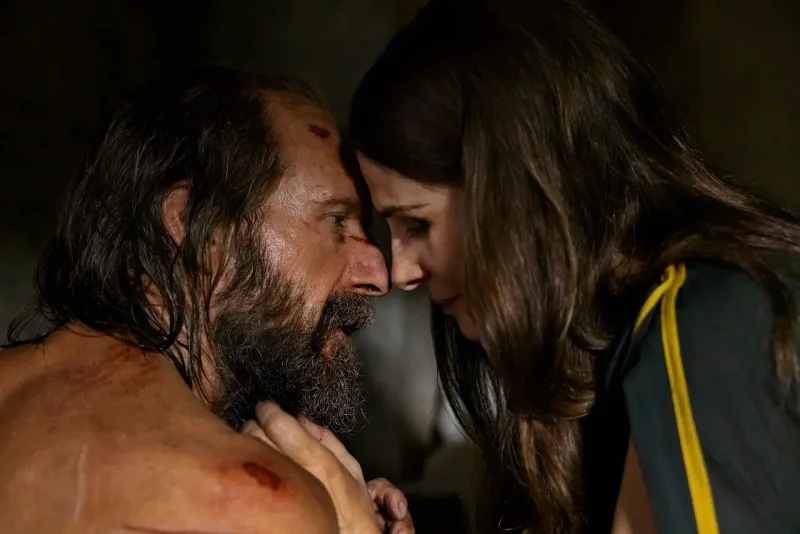
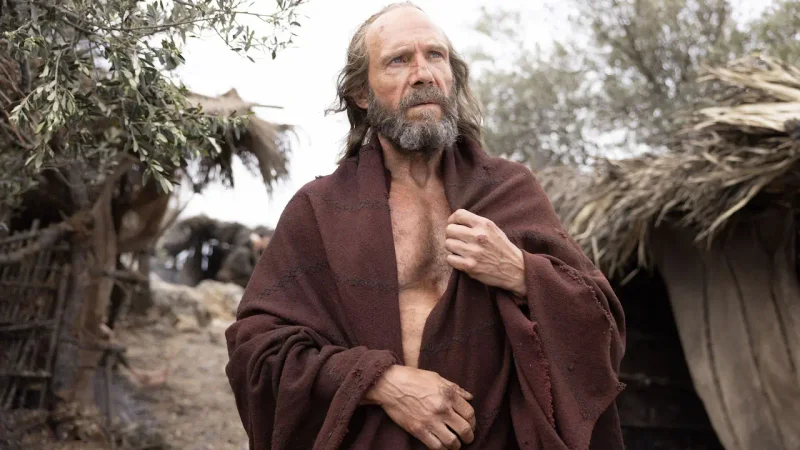
This choice profoundly alters the nature of the tale. In Homer's poem, the return signifies the culmination of a long series of heroic trials. In the film, it serves as the starting point for a reflection on the burdens of war and lost time. Odysseus, portrayed by Ralph Fiennes, emerges as a physically and emotionally worn man, struggling to reclaim the role he left behind twenty years earlier. The actor's physical preparation aligns with this vision; the director aimed for a lean body, marked by hardship, distancing it from the traditional image of the athletic hero.
Moreover, the ending takes on a different significance. The removal of the suitors does not merely signify the hero's triumph in reclaiming his kingdom; instead, it represents the final act of a conflict that continues to leave scars on the survivors. Pasolini uses Odysseus's journey to address the struggles faced by any soldier forced to confront the losses inflicted by war, transforming the myth into a universal reflection on the difficulty of returning to life.
The Absence of Gods and Fantastic Elements Transforms the Myth into a Profoundly Human Drama
The most striking difference from the Odyssey is the complete absence of divine intervention. In the poem, the gods continuously guide the destinies of men: Athena protects Odysseus, while Poseidon hinders his journey, and many decisions are influenced by divine will. In Itaca – Il ritorno, all of this disappears.
The absence of deities also eliminates the entire fantastic dimension of the tale. There are no monsters, spells, or legendary creatures. The journey becomes a historically plausible narrative, set in a concrete Mediterranean devoid of any supernatural intervention. The Trojan War remains in the background as a real event, and the protagonist's sufferings take on a much more realistic character.
This choice allows the director to focus entirely on the psychology of the characters. According to Pasolini, it would have been challenging to convey the weight of individual responsibilities if every event were attributed to the gods, as in the poem. In the film, every decision belongs solely to humans, as does the guilt for the violence inflicted during the war. Odysseus bears the burden of the deaths of his companions and the destruction of Troy without being able to attribute his fate to a higher will, making him a much more fragile and profoundly human protagonist.
The Main Characters Are Rewritten to Illustrate the Effects of Time and War
Among the most intriguing modifications introduced in the film is the portrayal of the main characters. Ralph Fiennes and Juliette Binoche, who play Odysseus and Penelope, were both just over sixty during filming, a significantly older age than suggested by the Odyssey. This choice is intentional, as it visibly conveys the passage of time and the weight of twenty years apart.
In the poem, Odysseus's return still retains a heroic aura. Despite countless trials, the protagonist remains the warrior capable of triumphing through cunning and strength. In the film, however, his body tells a different story. He is a man worn down by fatigue, marked by battles and forced to slowly regain the trust of his wife and son. The main conflict shifts from reclaiming the throne to recovering his identity.
Penelope and Telemachus also gain much more emotional depth compared to many previous cinematic adaptations. The queen’s long wait and her son’s growth without his father become central elements of the narrative. The film suggests that the war continues to affect those who have never wielded a sword, leaving invisible wounds that endure long after the conflict has ended.
Symbolic Scenes Are Altered to Change the Value of Family Relationships
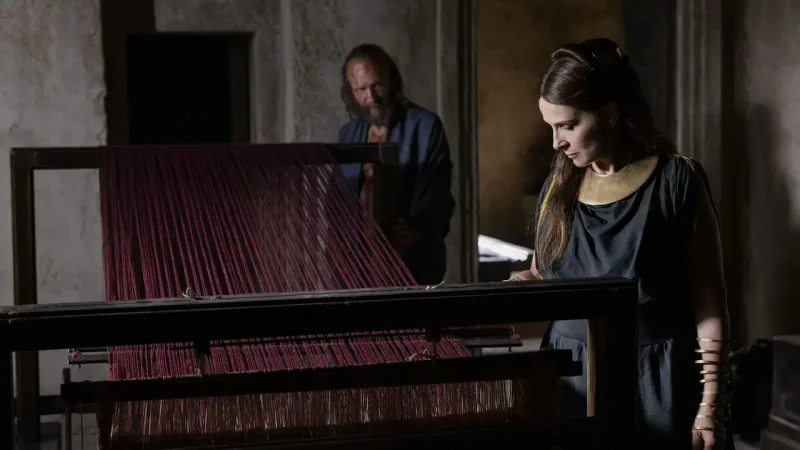
In addition to major narrative choices, Itaca – Il ritorno introduces seemingly minor modifications that carry significant symbolic weight. One of the most notable changes pertains to the famous marriage bed of Odysseus and Penelope. In the Odyssey, it is crafted from the trunk of a living tree and, being rooted in the earth, cannot be moved. Thus, it symbolizes the indissolubility of marriage and allows Penelope to definitively recognize her husband.
In the film, however, the bed has been moved to the upper floor of the house. This detail may seem trivial, but it eliminates one of the poem's most powerful symbols. The focus shifts from the object to the relationship between the characters, prioritizing the emotional dimension over the allegorical strength of the Homeric tradition.
Another alteration concerns the fate of Odysseus's family. In the poem, his mother Anticlea dies during her son’s long absence, while Laertes survives and plays a crucial role in the events following the slaughter of the suitors. In the film, however, this part of the story is deeply reworked, reducing Laertes's role and simplifying the family dynamic. Again, this choice reflects the desire to concentrate the narrative on the core trio of Odysseus, Penelope, and Telemachus.
The Slaughter of the Suitors and Antinous's Fate Highlight How the Film Rewrites the Meaning of Revenge
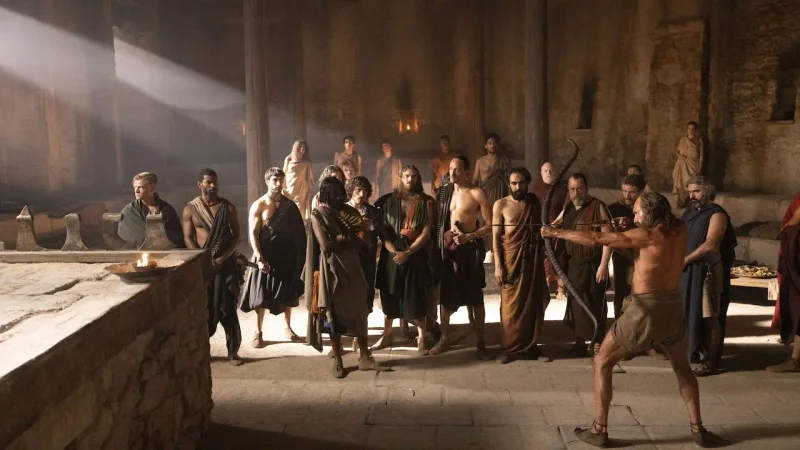
Differences also emerge in the climactic sequence dedicated to the confrontation with the suitors. In Homer's poem, Antinous is the first suitor to be killed by Odysseus, struck down unexpectedly while feasting. This episode marks the beginning of the hero's revenge and demonstrates the strategic superiority of the king of Ithaca.
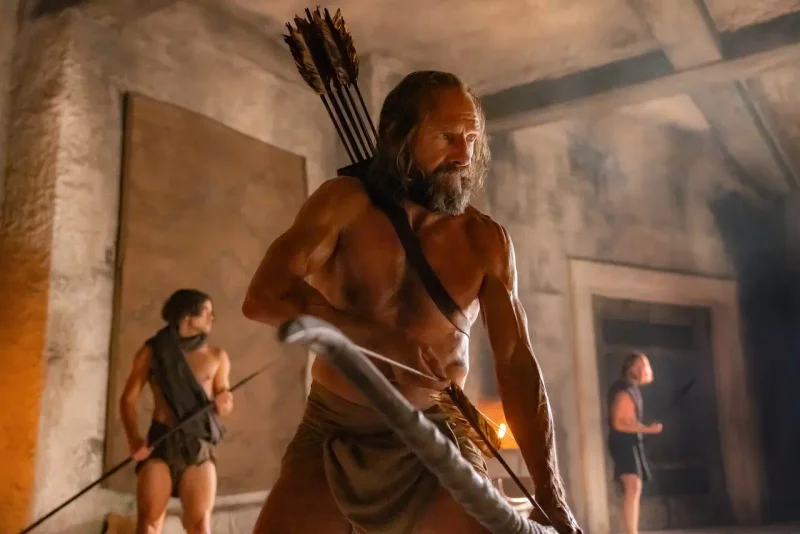
In the film, this scene is entirely altered. Antinous survives for much of the massacre and is ultimately killed by Telemachus, who slits his throat when the battle has nearly concluded. This change grants Odysseus's son a much more active role and symbolically represents the moment when the young man completes his journey of growth.
This choice further confirms the goal pursued by Pasolini throughout the film. The narrative's focus is no longer on the exaltation of the mythological hero but on the reconstruction of a family shattered by war. Revenge loses its epic dimension and becomes the final act of shared pain, while Odysseus's return assumes the meaning of a difficult reconciliation with himself and the people he left behind twenty years earlier.