Jean Gabin: A Man of Conviction Who Embraced Duty During WWII
Jean Gabin's son reveals how the iconic actor paused his career during WWII to serve in the Free French Forces, emphasizing his commitment and the impact of his experiences.
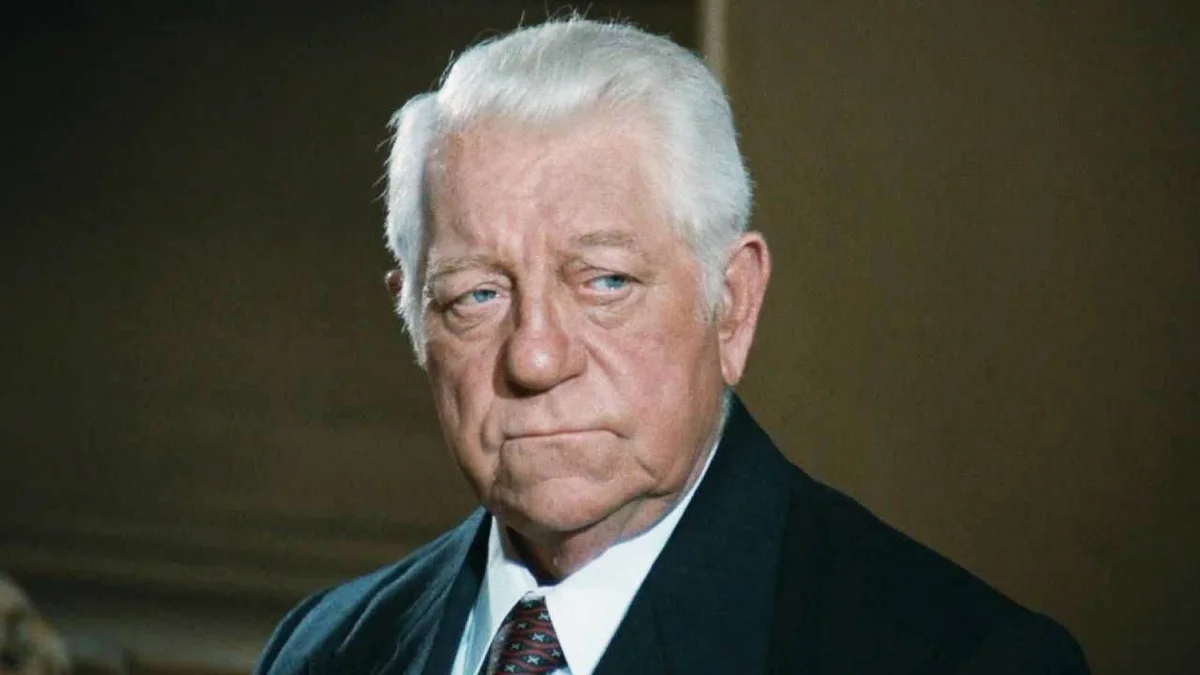
Jean Gabin, a prominent figure in French cinema, seldom spoke about his commitment during World War II. However, his son, Mathias Moncorgé, has shed light on this crucial chapter, revealing how Gabin temporarily set aside his illustrious career to serve his country.
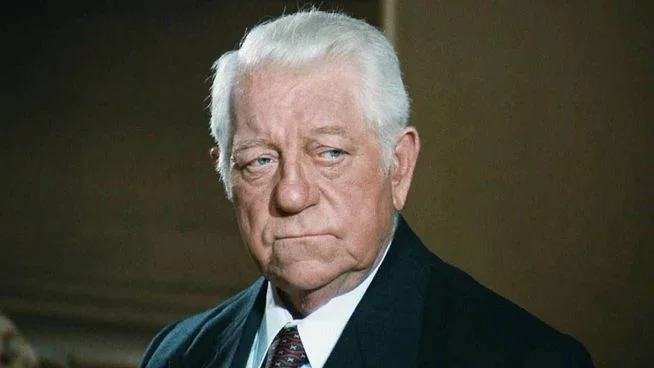
Before returning to the film industry and becoming one of the most iconic faces of French cinema, Gabin experienced a profoundly different phase of life. During the Second World War, he chose to abandon his career to join the Free French Forces and fight for his nation.
This period remained largely unspoken by Gabin himself. According to Moncorgé, his father believed he had simply done what was necessary.
From Hollywood to the Free French Forces
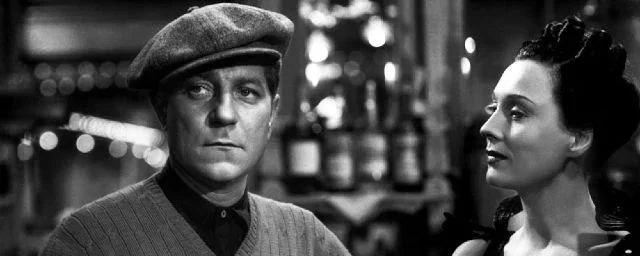
At the onset of the war, Gabin was already a celebrated star, known for films like La Grande illusion, Le Quai des brumes, and Le Jour se lève. Rather than continue his career in occupied France, he left for the United States, where he worked briefly with Metro-Goldwyn-Mayer.
However, this exile soon became insufficient for him, as detailed by his son. “He left France because he didn’t want to make films for the Germans, so he went to the U.S. and signed a contract with MGM. After filming two movies, he felt that when the war ended, he wouldn’t want to return to France without having fought,” Moncorgé explained.
In 1943, Gabin made the decision to enlist. Importantly, he refused to use his celebrity status as an excuse to avoid danger. “He joined the Free French Forces. De Gaulle asked him to make a propaganda film, but he agreed only if he could then join the FFL. They offered him non-combat roles, but Dad always said no; he wanted to come back to France to fight like the other guys,” Moncorgé added.
“He Was a Man of Conviction”
Gabin’s choice to enlist was not a publicity stunt, his son emphasized. Born in 1904, Gabin had lived through the memories of World War I and could not remain passive during the new conflict affecting his homeland. “Dad was born in 1904; he had already experienced World War I against the Germans, and he couldn’t just do nothing. He was a man of conviction. He understood the risks but wanted to liberate his country. While we talk about Dad, there were others who also enlisted, like actor Jean-Pierre Aumont, for example. Others hid or collaborated. Dad, on the other hand, could look himself in the mirror,” Moncorgé noted.
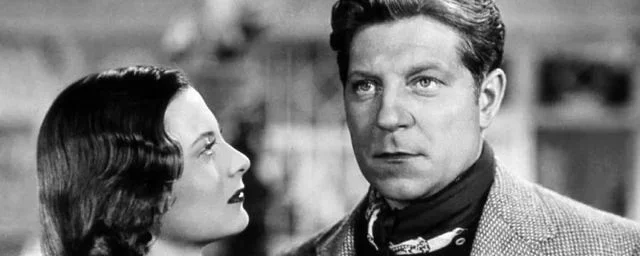
Gabin joined the 2nd Armored Division and underwent the same training as his fellow soldiers. By April 1945, he was mobilized during operations around Royan, one of the last areas still occupied by German forces in France.
Between April 14 and 18, 1945, around 25,000 men participated in these operations. France 3 Régions clarified Gabin’s specific role: “The actor did not directly participate in combat, but he trained with the entire 2nd Armored Division. He is one of the few celebrities from that time to have fought on French soil.”
Gabin Remained in Hollywood
Even in uniform, Gabin's face was unmistakable. Some soldiers and civilians recognized the star and asked for autographs. However, he was adamant about maintaining a clear distinction between his celebrity persona and his role as a soldier. “When recognized on the front lines, Jean Gabin would often respond, ‘Jean Gabin is still in Hollywood; it’s Jean Moncorgé who is fighting here.’ This was his way of showing that he wasn’t playing the role of an actor; he was genuinely fighting,” noted film historian Patrick Glâtre.
Jean Moncorgé is indeed his real name, and this response encapsulated how he viewed his commitment: away from the spotlight and his status as a star.
Did He Actually Participate in the Liberation of Royan?
The specifics of Gabin’s role during the liberation of Royan remain a topic of debate. Although he did not engage directly in the fighting, his unit was mobilized and ready to act if necessary. For Mathias Moncorgé, this involvement is enough to regard his father as a participant in the operation: “He was present in case of need, so for me, he participated in the liberation of the pocket. I disagree with those who say Gabin didn’t liberate Royan,” he stated.
“He wasn’t on the front lines, but as long as he was there to support the defense of Royan and prevent the Germans from advancing, he was part of the liberation. If the Germans had come down, he would have been on the front lines and engaged in combat.”
The city of Royan would later honor Gabin’s commitment by naming one of its performance halls after him.
“War is Not Cinema”
After 23 months of service with the 2nd Armored Division, Gabin eventually returned to his original profession. However, this experience profoundly impacted how he approached certain roles. He chose to avoid portraying military characters on screen and maintained a low profile regarding this chapter of his life. “As he said, war is not cinema, and he never wanted to take on a military role afterward. He turned down an offer from René Clément to act in Paris brûle-t-il?,” his son revealed.
This decision reflects the way Gabin perceived those 23 months: not as an adventure to be transformed into a heroic narrative, but as a duty he felt was simply essential to fulfill.
You may also like