
Natural Remedies to Strengthen Your Immunity Against Colds
As winter approaches, colds become common. Instead of relying solely on medications, discover effective natural remedies passed down through generations to alleviate symptoms and boost immunity.
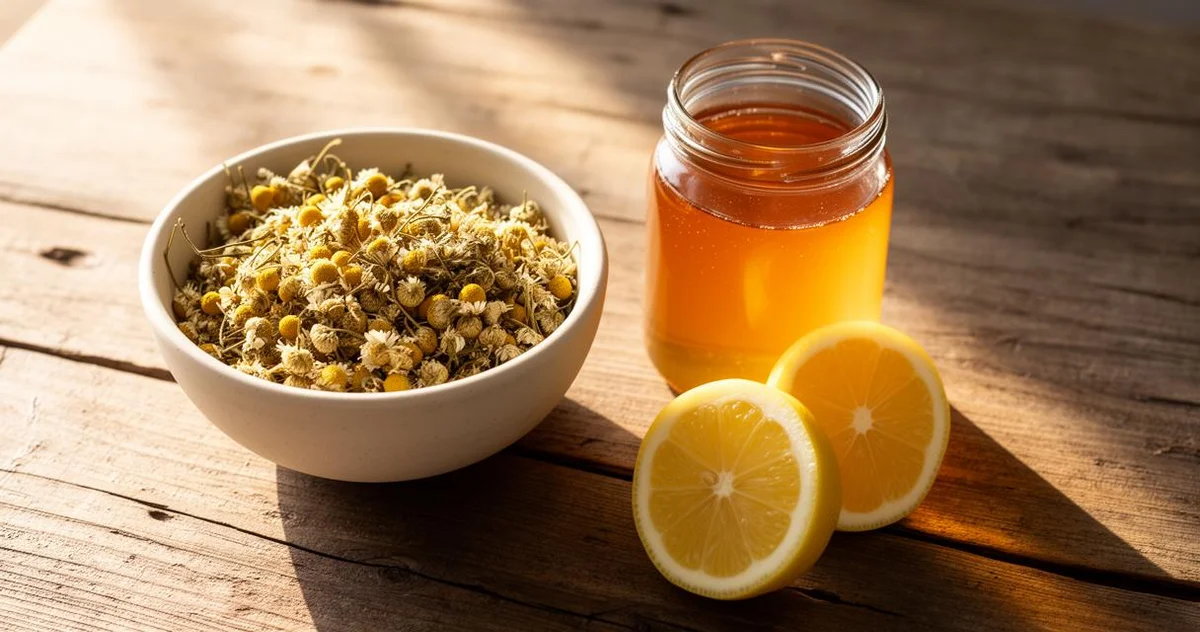
As winter sets in and temperatures drop, the common cold becomes a frequent visitor, affecting millions each year. While many tend to reach for over-the-counter medications, a wealth of natural remedies passed down through generations offers effective and economical solutions to alleviate symptoms and bolster the immune system.
Herbal Teas: Natural Allies Against Winter Infections
Herbal teas have long been a cornerstone of traditional medicine for combating winter infections. Their comforting warmth soothes irritated airways while providing the benefits of medicinal plants. The hydration they offer aids the body in flushing out toxins and maintaining healthy mucous membranes, which are crucial for fighting off the viruses responsible for colds. With over 200 different viruses capable of causing this infection, and no antibiotics effective against them, natural approaches become all the more relevant.
Thyme and Honey: A Winning Duo for Sore Throats
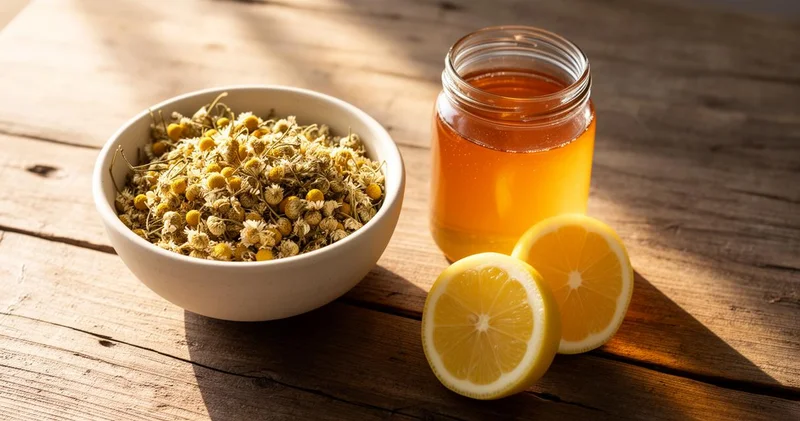
Thyme is one of the most recommended herbs in phytotherapy for treating respiratory ailments. Its antiseptic and expectorant properties make it a valuable ally against coughs and sore throats. Preparing a thyme infusion using a few fresh sprigs or a teaspoon of dried thyme in a cup of boiling water allows one to benefit from its virtues. Adding a tablespoon of honey enhances this remedy, providing soothing and antibacterial effects. Honey gently coats the irritated throat, alleviating the burning sensation caused by inflammation of the pharyngeal mucous membranes. This combination can be consumed multiple times a day for optimal relief from cold symptoms.
Ginger and Lemon: A Revitalizing Combination to Boost Immunity
Ginger is known for its recognized anti-inflammatory properties, which help reduce cold symptoms while warming the body. A fresh ginger tea made by infusing a few slices in hot water for about ten minutes is a particularly refreshing drink during winter. Adding the juice of half a lemon enriches this preparation with vitamin C, an essential nutrient for supporting the immune system in its fight against infections. This ginger-lemon combination can also serve as a base for a traditional hot toddy, an ancestral remedy for colds. The classic recipe includes a cup of hot water, a tablespoon of honey, the juice of half a lemon, and, for adults, a tablespoon of amber rum for a welcome warmth.
Apple Cider Vinegar and Baking Soda: Versatile Solutions for Your Well-Being
Beyond herbal teas, other simple ingredients found in our kitchens provide natural solutions against the discomforts of colds. Apple cider vinegar and baking soda are among these versatile remedies, known for their beneficial properties for a long time. Their use extends beyond treating respiratory symptoms to encompass various aspects of health and overall well-being.
Apple Cider Vinegar as a Detoxifying and Anti-Inflammatory Drink
Unpasteurized apple cider vinegar contains enzymes and probiotics that promote good digestive health. During a cold, a drink made with one to two tablespoons of apple cider vinegar diluted in a large glass of warm water can help alkalinize the body and reduce inflammation. Its antimicrobial properties also assist in combating pathogens. To enhance the flavor, adding a spoonful of honey transforms this preparation into a pleasant remedy. This drink can be taken once or twice a day at the onset of a cold to support the body’s natural defenses.
Baking Soda for Sore Throat Relief and Decongestion
Baking soda possesses remarkable soothing properties for throat irritations. A gargle made with half a teaspoon of baking soda dissolved in a glass of warm water can neutralize acidity and reduce inflammation of the mucous membranes. This solution can be used several times a day to ease painful sensations. Baking soda is also useful for inhalations: adding a few pinches to a bowl of hot water creates beneficial steam to decongest blocked airways. This simple method helps thin nasal secretions, which often become thick after two to three days of cold progression, facilitating their natural expulsion.
Aloe Vera and Other Medicinal Plants to Strengthen Your Immune System
Nature is rich in plants with immunostimulant properties that can be utilized to prevent colds or accelerate healing. These plants contain active compounds capable of stimulating the body’s natural defenses, making it more resilient against viral attacks. Incorporating these plants into a natural care routine is a particularly wise preventive approach before and during the cold season.
Benefits of Aloe Vera for Digestive Health and Virus Resistance
Aloe vera is primarily known for its topical applications, but its juice also offers remarkable internal benefits. This plant contains polysaccharides that support the immune system and promote a balanced gut flora. Since nearly 70 percent of our immune defenses are located in the gut, maintaining good digestive health directly contributes to better resistance against infections. A glass of pure or diluted aloe vera juice can be consumed daily to reap its benefits. This plant also helps reduce general inflammation in the body, creating a less favorable environment for the development of viral infections responsible for colds.
Echinacea and Propolis: Ancestral Remedies to Prevent Colds
Echinacea is one of the most studied medicinal plants for its immunostimulating properties. Echinacea teas taken at the first signs of infection or as a preventive measure during the cold season can shorten the duration and intensity of cold symptoms. This plant stimulates the production of white blood cells, enhancing the first line of defense against viruses. Echinacea supplements are available at health stores in various forms, generally priced around €11.95 for quality organic products. Propolis, a resinous substance collected by bees, possesses exceptional antibacterial, antiviral, and anti-inflammatory properties. An extract of black propolis, priced around €17.90, can be taken as a preventive cure or at the first sign of symptoms. A few drops diluted in water or honey several times a day help combat infections and soothe throat irritations. Essential oils are also valuable allies against colds. Organic ravintsara, priced around €9.10, eucalyptus radiata at approximately €8.90, and other formulations like Phyto Immunité Bio at €29.90 offer natural solutions to boost immunity. Inhalations with a few drops of these essential oils in a bowl of hot water can clear the airways and reduce nasal congestion due to mucosal inflammation. However, it is essential to follow usage precautions, especially for children and pregnant women, who require medical advice before use. Other natural products complement this array of remedies: andrographis at €22.90, shiitake at €14.50, Quinton nasal spray at €11.10, organic fir syrup at €25.90, or herbal tea number 5 for respiration at €18.90. These solutions, available in herbal shops and pharmacies, provide natural alternatives to conventional medications.
The common cold, though mild, brings about uncomfortable symptoms such as a runny nose, frequent sneezing in the early days, nasal congestion, sore throat, a cough that often transitions from dry to productive, mild to moderate headaches due to sinus congestion, general fatigue from the immune response, and sometimes a low-grade fever with a temperature below 38 degrees Celsius in adults. Recovery typically occurs within seven to ten days. During this period, staying hydrated with water, herbal teas, and fruit juices is crucial. Nasal cleansing with saline solution several times a day helps eliminate secretions and reduce congestion. Resting allows the body to mobilize its resources to combat the infection. It is advisable to avoid smoking and alcohol, which weaken the immune defenses. Maintaining a humid environment facilitates breathing and prevents mucous membranes from drying out. The contagious period for a cold begins approximately 24 hours before symptoms appear and continues for five to seven days. Preventive measures such as regular handwashing and airing out rooms can limit transmission.
Grandmother's remedies, enriched by current knowledge in phytotherapy, represent valuable complementary approaches to navigate the winter season more comfortably. These natural solutions, affordable and generally free from side effects, deserve a prominent place in our family medicine cabinet.