Understanding the Limitations of Olaplex for Hair Repair
Exploring the limitations of Olaplex in hair repair, this article discusses its intended use, common misconceptions, and alternative products for effective hair care.
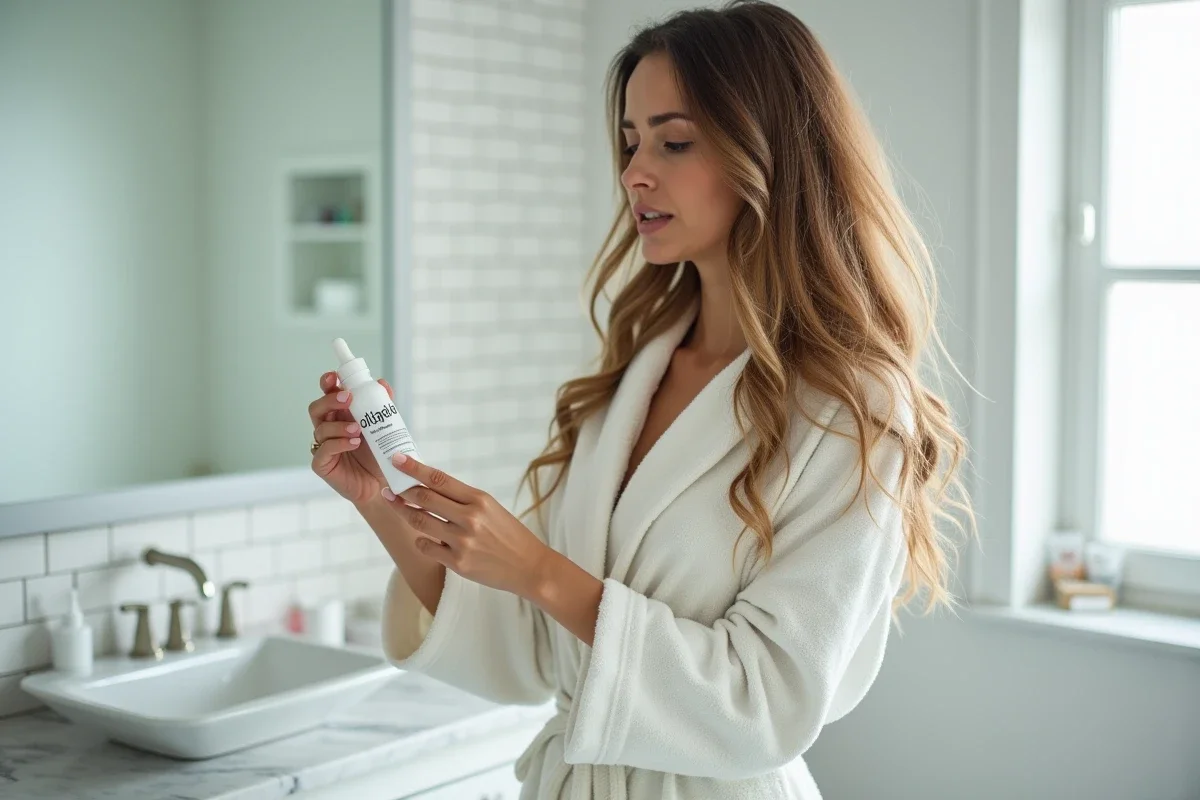
Olaplex, recognized for its patented ingredient bis-aminopropyl diglycol dimaleate, is designed to reconnect disulfide bonds broken by chemical treatments. While this mechanism is effective, misunderstandings arise when users expect it to hydrate, soften, or restore shine to hair that is too damaged to retain moisture. This confusion often leads to negative feedback in salons, where many clients express disappointment with the product's performance.
Rebuilding Disulfide Bonds Does Not Equate to Hair Repair
The core of the issue lies in the misconception that Olaplex can repair hair in its entirety. The technology specifically targets the internal structure of the hair fiber, meaning it can reform disulfide bonds but does not restore the lipid film or the cuticle layer. As a result, hair can be structurally stronger yet still feel dry, coarse, and lackluster.
Negative reviews frequently highlight a cardboard-like texture, stiff hair, and a straw-like appearance, particularly after multiple uses of the Nº3 product. This is not a failure of the product itself but rather a misuse of it for a purpose it was not intended to serve.
Olaplex strengthens the internal structure without addressing surface dryness. Until this distinction is understood, disappointment is likely to continue.
Overuse of Olaplex Nº3 on Simply Dry Hair

The Nº3 Hair Perfector has become the focal point of many criticisms. Salons are now recommending it as a targeted treatment before or after coloring rather than as a routine weekly treatment. When applied too frequently to hair that is merely dry rather than lacking structural cohesion, Nº3 can have the opposite effect than intended. The hair becomes rigid and loses elasticity, appearing more brittle despite being technically stronger. It is advisable to limit its use to once or twice a month, specifically on hair that has recently undergone chemical treatments.
Hair that is simply dry and has not been chemically treated typically does not have disulfide bonds needing reconstruction. Using a bond builder on such hair is akin to applying a bandage on a thirsty leg.
Limits of Olaplex During Bleaching
Feedback from colorists emphasizes a crucial point: while Olaplex minimizes damage during bleaching, it cannot salvage hair that is already severely compromised. Once the cuticle is irreversibly damaged and the cortex has lost its keratin, no bond builder can restore what is no longer there. In these situations, cutting the hair remains the only realistic option for starting fresh.
This is particularly evident after aggressive technical services, such as rapid successive bleaching, where clients arrive with overly elastic, brittle hair and unrealistic expectations from Olaplex.
The product serves as a preventive measure or a maintenance solution, not as a rescue remedy post-damage. Expecting miracles from a treatment applied after significant damage only fuels negative reviews.
Recent Controversies over Skin Tolerance and Reformulations
Since 2022-2023, Olaplex has faced increased regulatory scrutiny regarding certain fragrance and sensitizing compounds. The brand has reformulated several products to enhance skin tolerance, particularly for sensitive scalps.
Scalp itching and irritation have frequently appeared in negative reviews, especially concerning the Nº4 shampoo and Nº8 mask. These issues are not related to hair efficacy but rather to dermatological tolerance, which should be distinguished from critiques regarding hair texture or shine.
For those with sensitive scalps, it is advisable to conduct a patch test before incorporating the product into a routine. Recent reformulations are a step in the right direction, but caution remains essential for those with atopic skin.
Alternative Bond Builders: K18, Redken Acidic Bonding, pH Plex
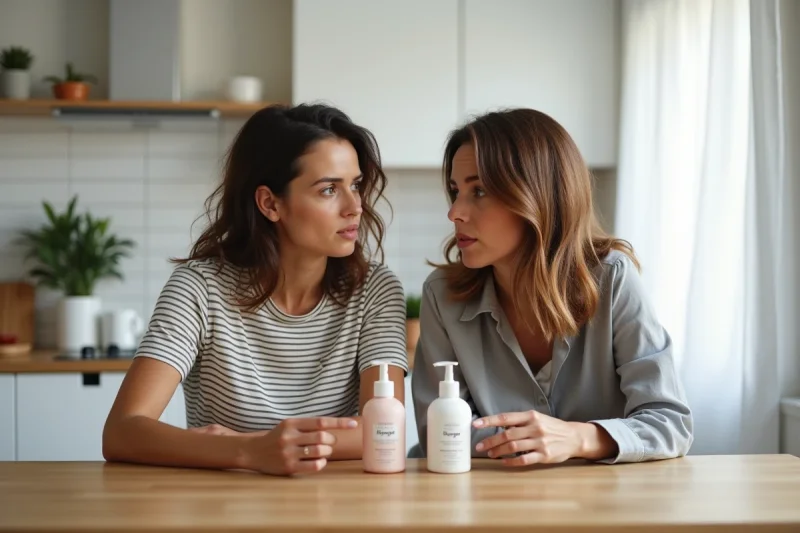
Olaplex is no longer the sole player in the structural repair segment. Several competing brands claim comparable, if not superior, effectiveness for certain hair profiles:
- K18 utilizes a biomimetic peptide targeting damaged keratin, with a convenient leave-in format that appeals to professionals pressed for time.
- Redken Acidic Bonding Concentrate operates at an acidic pH to seal the cuticle while reinforcing bonds, resulting in smoother, shinier hair than many conventional bond builders.
- Schwarzkopf Bonacure R-Two and pH Plex take a more scientific approach to reconstruction, offering structured salon protocols.
The choice among these brands depends on the specific hair diagnosis. Hair that has been bleached but still has a viable cuticle may respond well to Olaplex, while porous, dry, and dull hair may benefit more from a system that combines reconstruction with cuticle sealing.
Hair Diagnosis Before Purchase: The Key to Avoiding Disappointment
Before investing in a bond builder, consider three essential questions:
- Have your hair undergone any chemical treatment (bleaching, straightening, perming) in the last six months?
- Is breakage occurring on wet hair (indicating broken disulfide bonds) or dry hair (indicating dehydration)?
- Does your scalp tolerate scented products without irritation?
If the answer to the first question is no, a classic hydrating mask may be more effective than Olaplex. Most negative reviews stem from consumers who did not require a molecular reconstructor but rather a basic nourishing treatment.
Olaplex performs precisely as intended: reconnecting broken chemical bonds. The product itself does not mislead; rather, the marketing blurs the lines between structural repair and multifunctional care, leading to inappropriate purchases. Before leaving a negative review, the question should not be "does it work?" but rather "did my hair actually need it?"