Understanding Different Fringe Styles and How to Choose the Right One
Fringes are a timeless hairstyle that can be adapted to various face shapes and hair types. Discover the different styles of fringes and tips for choosing the right one for you.
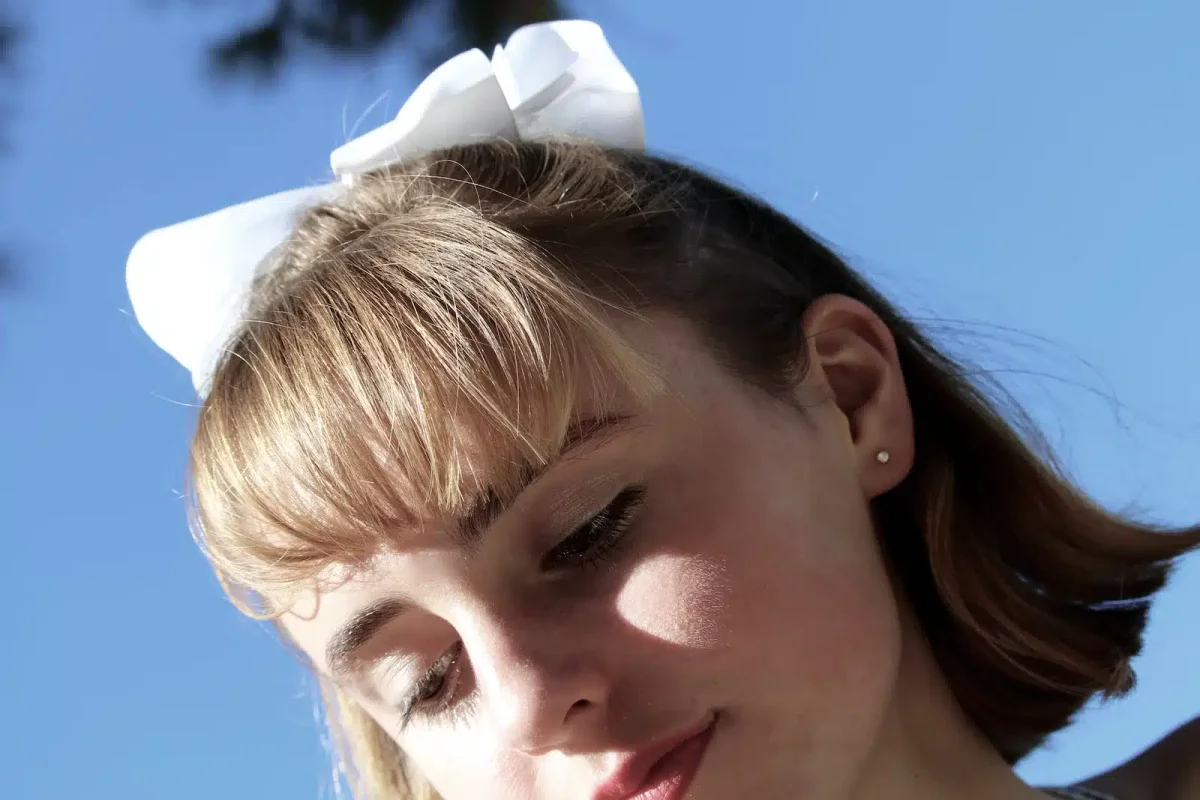
Fringes are a timeless trend that continually evolves. Ranging from straight to curtain styles, fringes come in various forms. The choice of fringe depends not only on personal style but also on face shape and hair type.
Curtain Fringe
Currently, the curtain fringe is the most fashionable option. It features a middle parting, with strands of hair cascading from either side like a curtain. This style is recommended for those who are new to wearing fringes.
The curtain shape is versatile and complements all face shapes, making it a great choice for those with curly hair, as it doesn't require straightening. If you opt for this look, it tends to look best on longer hair.

Straight Fringe
The straight fringe is the classic and most recognized style. It suits a traditional or pin-up aesthetic. This fringe works best on straight, fine hair. However, the straight fringe paired with curly hair is experiencing a revival, reminiscent of disco-era trends.
This hairstyle is ideal for round or long faces and is particularly flattering for those with prominent foreheads. If you have a round face, it's best to keep it just above the eyebrows, while those with longer faces should aim for a length just below. Avoid letting it fall into the eyes. This fringe can be worn on both short and long hair, complementing bob cuts as well as longer styles.
Side Fringe
The side fringe is arguably the least trendy at the moment. It was very popular in 2007 but has not made a significant comeback. Nevertheless, this style is well-suited for square faces, as it softens angular features.
For an attractive look, the fringe should be long and thin, almost tapered. A thicker fringe may frame your face too closely, emphasizing its square shape. Long hair is also preferable for this style.
Tapered Fringe
One of the most commonly requested styles, the tapered fringe allows for the option to tie back hair if desired, without adding heaviness to the face. It's perfect for those with fine, straight hair.
The tapered fringe works well for round and oval faces and fits various styles, serving as a good compromise for those hesitant to go for a full fringe.
Short Fringe
This distinctive style features a very short fringe that sits in the middle of the forehead. It’s not suitable for everyone. A chic and modern look is essential for pulling off this fringe without it appearing odd.
The face shape and features should be delicate. An asymmetrical styling approach, known as the messy look, is recommended. This fringe is best suited for short to medium-length hair.
Beauty Tips for Choosing the Right Fringe
Not everyone can successfully wear a fringe. This hairstyle is strongly discouraged if:
- You have very thick hair
- You have curly hair
- You have acne-prone skin
- You are uncertain about your choice
Maintaining a fringe requires particular care, as it needs daily styling. Moreover, hair tends to become greasier more quickly due to frequent handling.
It's also crucial to avoid cutting your fringe at home with kitchen scissors. Visiting a professional hairdresser is essential, as they use specialized scissors for your hairstyle. Cutting your hair at home often leads to cutting it too short.
Adapting Your Fringe to Your Face Shape
A fringe can enhance a face but may detract from its appearance if not suited to its shape. Here’s how to select a fringe based on face morphology:
For round faces: Avoid straight, thick fringes that emphasize roundness. Instead, opt for a long side fringe or a tapered style to elongate the face.
For square faces: Short, rounded fringes are ideal, softening angular features and creating an oval illusion.
For oval faces: Those with oval shapes can wear any fringe type! However, it’s best to steer clear of very short fringes, which can overly elongate the forehead.
For triangular faces: A light density or fine strands are perfect to avoid adding weight to an already prominent area, especially near the hairline.
Choosing the right fringe can be challenging, but sometimes a small adjustment can completely transform your look.
Common Mistakes When Cutting Your Own Fringe
Cutting your fringe yourself can be a practical way to save time and money. However, it can quickly turn into a disaster without the right precautions! Here are some mistakes to avoid when attempting to cut your own fringe:
- Cutting the fringe too short: It’s essential to cut gradually, especially if it’s your first time. Start with less than you think you need and adjust later.
- Using inappropriate scissors: Ensure your scissors are sharp and appropriate for the length of hair you wish to cut.
- Cutting the fringe on wet hair: Hair appears shorter when wet, so be cautious not to cut too much. It’s best to style your hair as usual before you begin.
- Cutting your fringe without considering the most suitable type: Choosing a fringe that doesn’t suit your face can lead to an unflattering look. It’s important to consider the fringe type that best suits your face before reaching for the scissors.
- Overworking the strands: For a clean cut, work on individual strands rather than cutting large sections at once, which can result in an uneven finish.
Cutting your fringe yourself can be manageable if you avoid these common errors. However, if you feel uncertain or want a flawless result, visiting a professional hairdresser is always a safe choice for achieving the perfect cut!