The Impact of Die Hard: Understanding Its Iconic Finale
Die Hard, directed by John McTiernan, redefined the action genre with its portrayal of an ordinary hero. The film's iconic finale encapsulates themes of family, sacrifice, and the true essence of heroism.
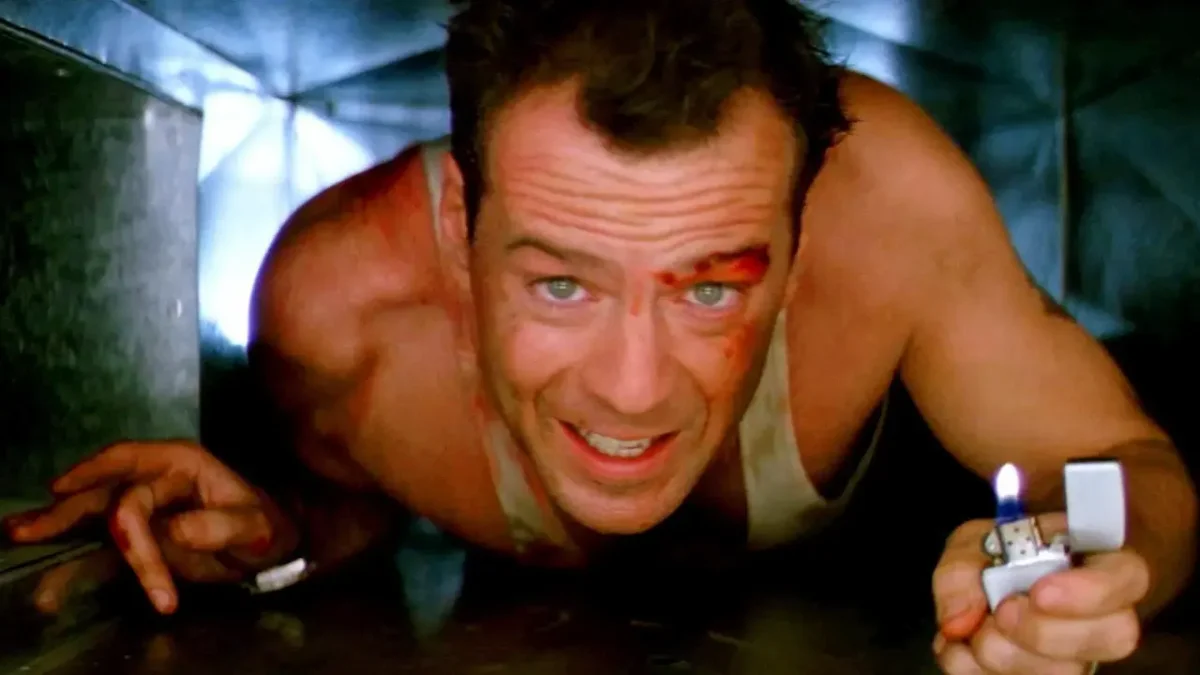
In 1988, director John McTiernan revolutionized Hollywood's action genre with Die Hard (Trappola di cristallo). Instead of an invincible hero, the narrative centers around an ordinary man who experiences pain, makes mistakes, and bleeds, yet perseveres. Bruce Willis, primarily known for his television roles before this film, emerges as the face of a new breed of action protagonists, moving away from the muscular invulnerability that characterized the 1980s.
The film's conclusion has become one of cinema's most iconic endings, transcending the spectacle of the final showdown with Hans Gruber. The ending of Die Hard encapsulates a profound emotional journey that predates the assault on Nakatomi Plaza. The last thirty minutes serve to reconstruct a family, redefine heroism, and transform a hostage story into a narrative about responsibility, sacrifice, and the potential for change.
The Finale: A Clash of Worldviews and the Humanity of John McClane
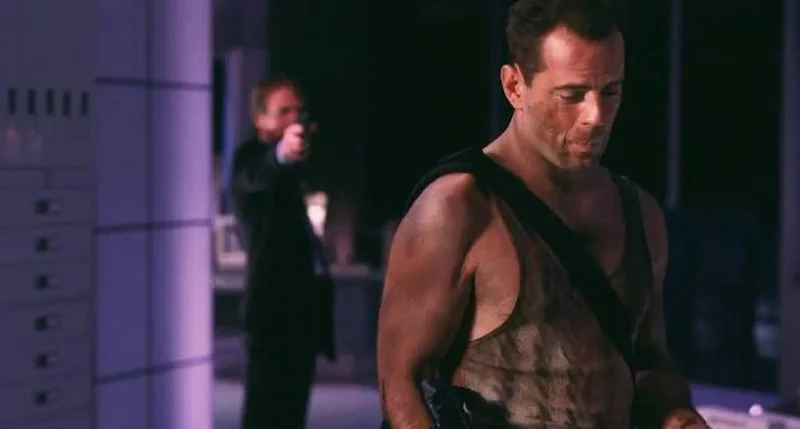
Die Hard occupies a unique space in the action film landscape of the 1980s by replacing brute strength with intelligence, improvisation, and vulnerability. John McClane arrives in Los Angeles with the intention of reconciling with his wife, Holly, from whom he has grown distant due to their careers and ambitions. The assault orchestrated by Hans Gruber disrupts this family reunion but also provides the perfect backdrop for McClane to confront the issues he has been avoiding.
Gruber, portrayed by Alan Rickman, stands as McClane's perfect foil. He is elegant, rational, and calculating, viewing others as expendable pawns. Even as he poses as a terrorist, his motivations are purely financial, devoid of ideological reasoning, making his character all the more contemporary through his cynicism.
McTiernan crafts a confrontation that extends beyond the battle for control of the skyscraper. On one side is the methodical planner, and on the other, a man willing to risk his life repeatedly to save strangers. This moral divide sets the stage for the film's poignant conclusion.
The Final Showdown: A Personal and Physical Battle
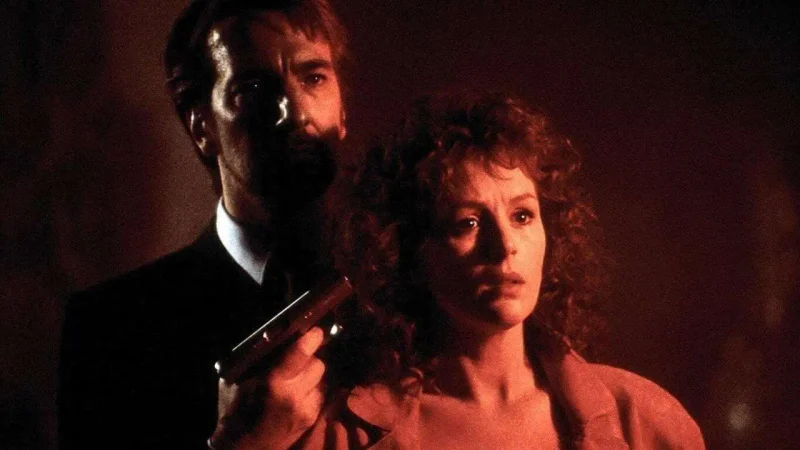
After rescuing hostages from the rooftop, John McClane finally confronts Holly, who is now a captive of Hans Gruber. Exhausted, wounded, and nearly out of ammunition, McClane appears to be at a disadvantage, which makes his final clever maneuver all the more significant.
Feigning surrender, he tricks Gruber into believing he has won. Unbeknownst to the criminal, McClane has concealed a gun behind his back, taped in place. This clever tactic is one of the most celebrated moments in action cinema, showcasing McClane's ingenuity over brute force. With his last two bullets, he takes out Gruber's accomplice and mortally wounds the mastermind himself.
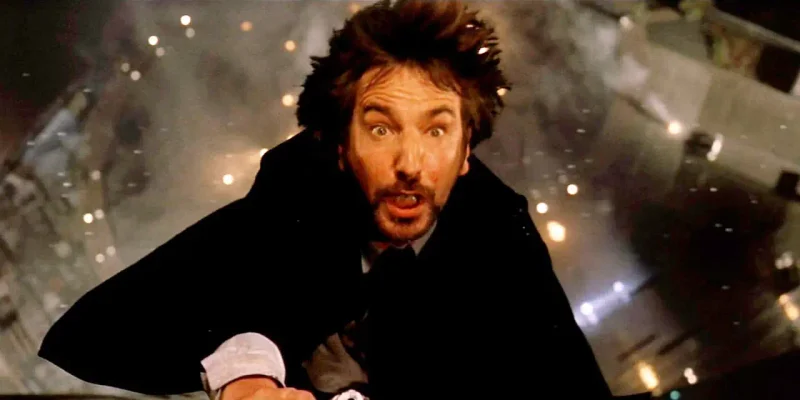
The visual construction of Gruber's fall from the window has cemented its place in cinematic history, but its deeper significance emerges when Gruber clings to the watch given to Holly by the Nakatomi Corporation. This watch, a symbol of professional success, had contributed to the couple's estrangement and becomes the object through which Gruber desperately fights for survival. McClane’s act of letting go of the watch signifies a release not only for Holly but also for their relationship. Gruber's death thus marks the end of the barriers that had kept John and Holly apart long before the siege began.
The Human Element: McClane's Journey Through Pain and Sacrifice
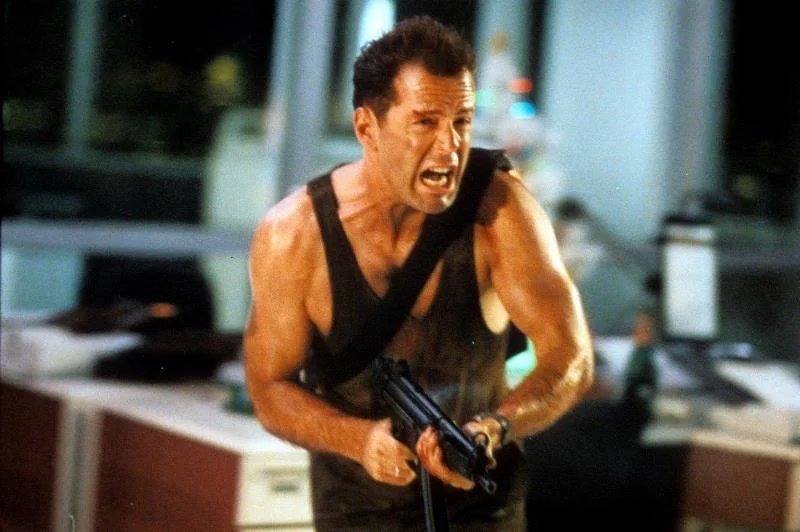
Much of Die Hard's appeal lies in McClane's departure from the traditional action hero mold. He walks barefoot on glass, bleeds, runs low on ammunition, and faces near-defeat multiple times. Each victory comes at a tangible cost.
This portrayal sets a precedent for numerous films that followed. The protagonist is not an invulnerable warrior but rather an individual forced to respond to extraordinary circumstances. Audience identification stems from this vulnerability, making each decision feel more authentic.
Similarly, Sergeant Al Powell undergoes his own arc. After a tragic mistake leads him to put down his weapon, he finds the courage to confront Karl in the film's climax. His actions symbolize more than just a rescue; they conclude a narrative thread that has been woven throughout the film. Likewise, Argyle, who seems peripheral to the main plot, plays a crucial role in thwarting the criminals' escape. Every character ultimately finds their moment of redemption.
Christmas and Transformation: The Dual Themes of Die Hard
For decades, the classification of Die Hard as a Christmas movie has sparked debate. The presence of gunfire, explosions, and violence seems at odds with the holiday spirit. However, the finale reveals how Christmas is intricately woven into the film's meaning.
The entire narrative unfolds on Christmas Eve, a time symbolizing family, forgiveness, and reconciliation. John travels to Los Angeles with the hope of mending his fractured marriage. The challenges he faces throughout the night gain significance as they are aimed at protecting Holly and their children.
The final sequence contrasts sharply with the film's beginning, as Holly reclaims her married name, the opportunistic journalist is humbled with a punch, Powell overcomes his haunting trauma, and McClane reunites with his family. As the credits roll to the tune of Let It Snow, the film suggests that the true Christmas miracle lies not in vanquishing terrorists but in the opportunity for new beginnings.
The True Essence of Die Hard's Finale
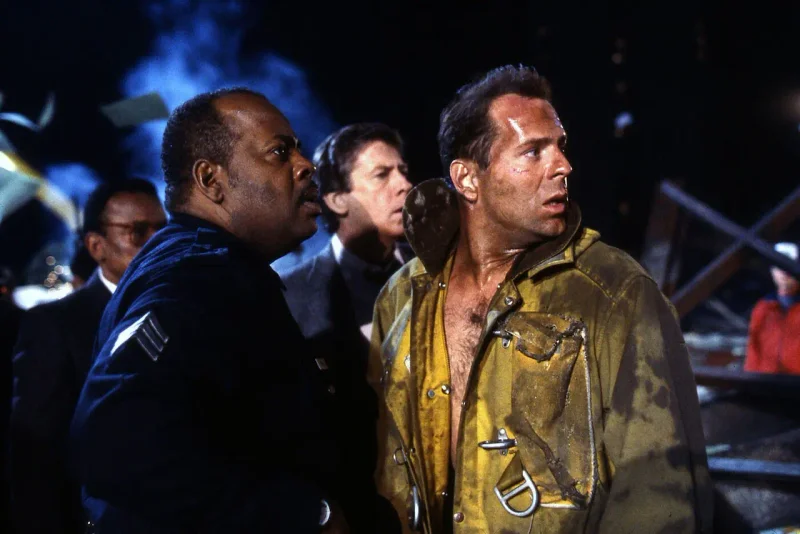
The final line from John McClane and the characterization of Hans Gruber as “the last American cowboy” might imply a conventional celebration of the individualistic hero. However, the film conveys a more intricate message. McClane fights not to prove his strength but because failing to act would mean abandoning innocent lives.
The act of removing the watch from Holly's wrist encapsulates this sentiment. The watch symbolizes professional success, social prestige, and everything that had driven a wedge between the couple. Letting it go signifies that no accolade is worth more than human relationships. This simple yet profound image captures the essence of McClane's transformation.
Thus, Die Hard remains one of the finest action films in cinematic history. While its spectacular sequences are unforgettable, it is the human dimension that keeps it relevant. The ultimate victory is not merely the defeat of Hans Gruber; it is the moment John McClane realizes that true heroism lies in safeguarding what truly matters, even when the cost is steep.