
Understanding the Risks of HIFU Facial Treatments
High-Intensity Focused Ultrasound (HIFU) is a popular non-invasive facial rejuvenation treatment. While it offers benefits, potential risks and side effects must be understood. Learn about HIFU applications, common and rare side effects, and essential precautions.
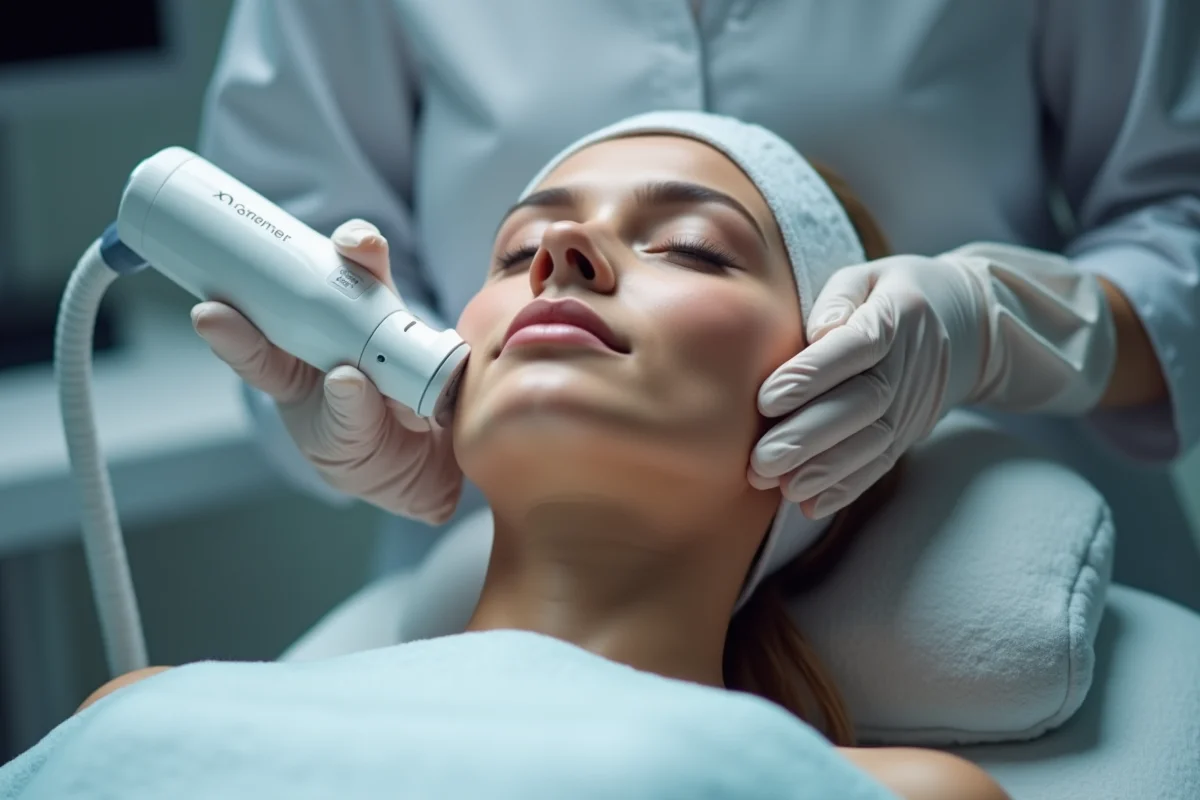
High-Intensity Focused Ultrasound (HIFU) has gained popularity as a non-invasive solution for facial skin rejuvenation, often marketed as an alternative to surgical procedures. By utilizing ultrasound technology to stimulate collagen production, HIFU promises firmer and smoother skin without the need for incisions. However, despite its appealing benefits, this treatment is not without its risks.
Common side effects associated with HIFU include burns, redness, and temporary swelling. In more severe cases, complications such as nerve damage or loss of sensation have been reported. Therefore, a thorough consultation with a qualified professional is essential before undergoing this treatment.

What is HIFU Facial Treatment?
HIFU, or High-Intensity Focused Ultrasound, is an innovative technology that targets skin laxity, primarily used on the face. This non-invasive approach reaches deep layers of the skin using ultrasound waves, while preserving the surface. The treatment works by stimulating collagen, a vital protein responsible for the skin's firmness and elasticity.
The HIFU device emits focused ultrasound waves that penetrate the epidermis and directly affect the subcutaneous layers. This process initiates a gradual regeneration of collagen, enhancing skin texture and firmness. Unlike surgical techniques, HIFU does not require incisions or recovery time, making it an attractive option for those seeking anti-aging solutions without surgery.
Clinical Applications
HIFU is primarily employed to address:
- Skin laxity in the face and neck
- Fine lines and wrinkles
- Jawline contouring
- Drooping eyelids
This technology can also be applied to specific areas such as the eyebrows and décolleté. However, each treatment must be tailored to the individual’s needs and skin characteristics. A preliminary consultation with a qualified specialist is crucial to determine the suitability of HIFU treatment.
Common and Rare Side Effects
Although HIFU is a non-invasive procedure, it can lead to both short-term and long-term side effects. Common reactions include redness and swelling, which are typically temporary and resolve within hours to days.
- Redness: A temporary reddening of the skin may occur immediately after treatment.
- Swelling: Light to moderate swelling can arise, especially in treated areas.
- Pain: Patients may experience discomfort during and after the session.
- Skin Sensitivity: Increased sensitivity may last for a few days.
- Tingling and Numbness: These sensations may persist temporarily.
- Bruising: Bruises can appear, particularly in individuals with sensitive skin.
- Muscle Weakness: A slight weakness in facial muscles might occur but is generally transient.
Rare and Serious Side Effects
Some complications, though infrequent, warrant particular attention. In exceptional cases, patients may develop scarring. Furthermore, HIFU can affect the salivary glands, leading to temporary dry mouth.
Rare side effects include:
- Scarring: While uncommon, scarring can occur if the treatment is not performed correctly.
- Salivary Gland Issues: Damage to the salivary glands may result in decreased saliva production temporarily.
The severity of these effects often hinges on the practitioner's expertise and the patient’s individual sensitivity. Always consider a comprehensive consultation before undergoing HIFU treatment.
Precautions Before and During Treatment
Before starting HIFU treatment, it is crucial to consult a qualified professional to assess your health status. Certain contraindications must be adhered to in order to avoid serious complications.
- Pregnancy and breastfeeding: HIFU is contraindicated for pregnant and breastfeeding women.
- Severe acne: Individuals with severe acne should avoid this treatment.
- Pacemakers and metal implants: Those with these devices should refrain from HIFU.
- Breast implants: Breast implants are another contraindication.
- Injectable products: Avoid HIFU if you have recently received filler injections or botulinum toxin.
During the Treatment
During the session, following the practitioner's recommendations is vital to minimize the risk of side effects. Ensure that the device is operated by a trained professional, ideally from recognized institutions such as the Celestetic Academy. Specialized training ensures the safe and correct handling of HIFU technology.
- Hydration: Drink plenty of water before and after the treatment to aid skin recovery.
- Avoid sun exposure: Protect your skin from the sun to prevent additional irritation.
- Communicate with your practitioner: Immediately inform them of any unusual pain or discomfort during the session.
These precautions, when strictly followed, help reduce risks and maximize the benefits of HIFU treatment.
Post-Treatment Care and Contraindications
After undergoing HIFU facial treatment, specific care routines should be followed to optimize results and prevent complications. It is essential to hydrate your skin and avoid sun exposure, as this can exacerbate skin irritations. Use gentle, hypoallergenic products to prevent adverse reactions.
Post-Treatment Care
- Hydration: Apply a rich moisturizer to support skin recovery.
- Sun Protection: Use a broad-spectrum sunscreen to shield your skin from UV rays.
- Avoid heavy makeup: Allow your skin to breathe for at least 24 hours post-treatment.
The contraindications for HIFU are numerous and must be strictly observed. Pregnant or breastfeeding women, as well as individuals with pacemakers or metal implants, should avoid this treatment. Patients suffering from severe acne or those who have recently received injectable products should also refrain from HIFU.
| Contraindications | Description | |------------------------------------|---------------------------------------------------------| | Pregnancy | HIFU is contraindicated for pregnant women. | | Breastfeeding | HIFU is contraindicated for breastfeeding women. | | Pacemakers and metal implants | Individuals with these devices should avoid HIFU. | | Severe acne | Patients with severe acne should abstain. | | Injectable products | Avoid HIFU if you have recently received injections. |
Institutes collaborating with Celestetic ensure that their practitioners are trained by the Celestetic Academy, guaranteeing safe and quality treatments. This extensive training is crucial for the correct and effective use of HIFU technology.