
Understanding White Spots on Nails: Causes and Solutions
White spots on nails, known as leuconychia, can cause concern. However, they are usually benign and caused by minor trauma, not nutritional deficiencies. Learn more about causes and care.
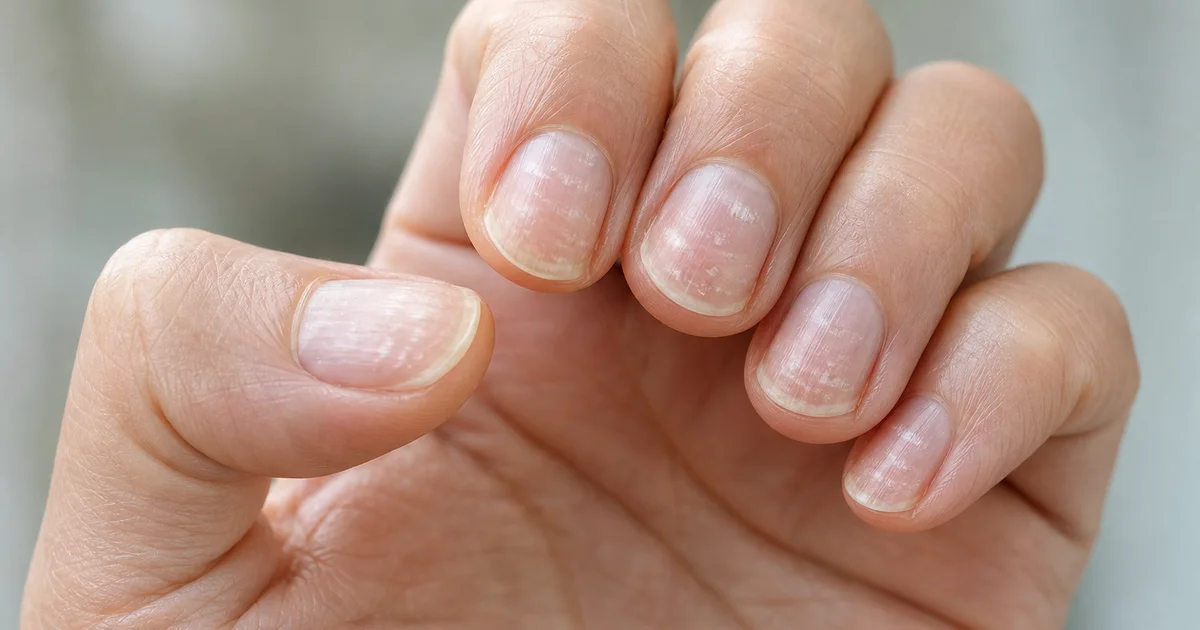
White spots on nails, medically known as leuconychia, are a common phenomenon that many individuals may notice. These small white dots or patches can appear without any obvious reason, often causing concern. However, it's important to note that in most cases, these spots are benign and harmless. This article aims to clarify the facts surrounding this condition and help you understand what occurs beneath your nails.
📌 Quick Overview
- White spots on nails are typically caused by micro-traumas (such as light impacts or aggressive manicures) rather than a calcium deficiency.
- They tend to disappear naturally within a few weeks as the nail grows out.
- True nutritional deficiencies (like magnesium, iron, or certain vitamins) are rarely the main cause of these spots.
- Harsh chemicals (found in nail polishes and removers) can contribute to their appearance.
- If the spots persist or are accompanied by other symptoms, it is advisable to consult a dermatologist.
What Exactly Are White Spots on Nails?
Before delving into the causes, it's essential to understand what these white spots actually are. A white spot on the nail signifies an anomaly in keratin, the protein that constitutes your nails. This white area forms during the nail's development, specifically at the matrix (the small area at the base of the nail under the skin).
When something disrupts this sensitive area, keratin does not form correctly, leading to the creation of this opaque, white, or translucent spot. Essentially, it resembles a small scar within the nail structure. Fortunately, it is never painful and does not hinder your normal activities.
Why Do They Look Like Spots?
The white spots can appear isolated or grouped, depending on their cause. If you’ve experienced a minor bump on your nail, the white area will follow the shape of that trauma. They can range from the size of a rice grain to larger, depending on the intensity of the impact your nail sustained.
What’s reassuring is that they are painless, allowing you to continue using your hands without any issues. Unlike infections or skin diseases, these spots do not worsen or bleed; they are merely a change in color.
The Real Causes of White Spots on Your Nails
Micro-Trauma: The Primary Cause
Let’s be honest: in most cases, white spots result from minor trauma. You may have experienced a bump without even realizing it! A light impact on your nail, an overly aggressive manicure, or even a bump when closing a door are common culprits.
I often notice this myself: after a manicure, I see a small white spot that wasn’t there before. This occurs because either I or the nail technician applied too much pressure while filing or polishing. It’s completely normal and not serious. The nail gradually “heals” as it grows out.
Nutritional Deficiencies: The Real Story
Now, let’s address a common myth: no, white spots are NOT caused by a calcium deficiency. You may have heard this from various sources (including your grandmothers!), but it is simply untrue, as science has demonstrated.
That said, some deficiencies can lead to poor nail health overall:
- Magnesium deficiency can make your nails more brittle and fragile but is not the sole cause of white spots.
- Iron deficiency may impact the overall structure of the nail, but again, it is not the primary reason for the spots.
- Lack of certain vitamins (especially B12 and vitamin C) can weaken your nails but only indirectly.
In summary, if you have white spots, there’s no need to load up on supplements. Your nails are fine; it’s just a minor trauma.
Chemical Products and Manicures
Nail polishes, removers, and harsh chemicals can contribute to the appearance of white spots. Why? Because they dry out your nails and make them more fragile. If you frequently use semi-permanent manicures or nail polish, ensure you use high-quality products and properly moisturize your nails afterward.
My personal advice: take breaks between manicures and allow your nails to breathe. I do this myself, especially during the summer holidays, and I’ve noticed my nails regain better structure.
Skin Diseases and Infections
In rarer cases, white spots may be linked to skin issues such as psoriasis or fungal infections. However, if it is an infection, the spots typically won’t appear alone. You may also notice significant discoloration, thickening of the nail, or unusual texture.
If you experience other symptoms, don’t hesitate to consult a dermatologist. It’s better to be proactive, especially if accompanied by an infection.
The Good News: They Disappear Naturally
Here’s what will truly reassure you: white spots disappear on their own within a few weeks as the nail continues to grow. There’s not much to do; nature takes care of the problem itself.
Your nails grow continuously (approximately 1 to 2 millimeters per week), and the white area gradually moves towards the tip of the nail until it completely disappears. It’s a natural and inevitable process.
White spots vanish with the nail's growth, without any external intervention. Nature does the work.
What You Can Do to Speed Up the Process
Daily Nail Care
While white spots will fade naturally, there are some steps you can take to help your nails grow healthily:
- Moisturize regularly with a specific nail cream or oil (coconut, almond, jojoba).
- Limit chemical exposure: wear gloves when cleaning or doing dishes.
- Space out your manicures and allow your nails to breathe between applications.
- Trim your nails regularly to encourage better growth.
- Maintain a balanced diet: proteins, B vitamins, and iron will help keep your nails strong.
When to Consult a Doctor
I must be honest: in most cases, you do not need to see a doctor for white spots. However, certain situations warrant a consultation:
- If the spots persist for several months without disappearing.
- If they are accompanied by other symptoms (pain, deformation, color change).
- If they appear on ALL your nails simultaneously (this is rare and may indicate a general health issue).
- If you suspect an infection (thickened appearance, abnormal color).
If in doubt, consult a dermatologist. It’s better than worrying for weeks, trust me!
Myths to Forget Once and For All
It’s crucial to remember this, as many people hold absurd misconceptions about their nails:
The Myth
The Truth
White spots = calcium deficiency
False. Calcium has nothing to do with this. The spots are due to trauma.
You need to take supplements
Not necessary. A balanced diet is sufficient.
White spots are contagious
Completely false. It’s not an infection (generally).
Medical treatment is required
No. They disappear naturally with growth.
See? It’s much simpler than what is often claimed. Your nails manage just fine on their own.
How to Prevent White Spots in the Future
Since we know that micro-trauma is the main cause, here’s how to minimize the risks:
- Be gentler during your manicure: ask the professional to be lighter, or do it yourself more delicately.
- Protect your hands daily: it may sound trivial, but it prevents minor bumps.
- Strengthen your nails' structure by regularly moisturizing.
- Wear gloves for household chores or manual work.
- Take breaks between manicures to let your nails breathe.
It’s really just common sense. Nothing complicated, no need for a miracle solution.
In Summary: You Have No Reason to Worry
If you notice white spots on your nails, take a deep breath. It’s benign, harmless, and completely reversible. In 90% of cases, it’s just a minor bump that you didn’t even notice, and your nails will rectify themselves in a few weeks.
Forget the myths about calcium or magnesium deficiencies. Continue eating healthily, keep your nails moisturized, be gentle during your manicures, and let nature do its work. That’s really all there is to it.
And if you start experiencing other symptoms (thickened nails, deformation, unusual odor), then yes, see a dermatologist. But for simple white spots? You’re in the clear, my dear. Until next time for another beauty article!
Frequently Asked Questions
What are the causes of white spots on nails?
The primary causes are micro-traumas (minor bumps, aggressive manicures), harsh chemical products (nail polish, removers), and, less commonly, infections or skin diseases like psoriasis. Contrary to popular belief, they are not caused by calcium or magnesium deficiencies.
Are white spots on nails a sign of iron deficiency?
No, white spots are generally not caused by iron deficiency. While iron deficiency can affect the overall health of your nails, it is not the primary cause of white spots. If you have other symptoms of deficiency (fatigue, shortness of breath), consult your doctor, but for the spots, it’s something else.
What causes white spots on nails?
The most common cause is a micro-trauma: a minor bump, a light impact, an overly aggressive manicure, or even a daily action. This disruption creates an anomaly in the keratin, leading to the white area that fades naturally as the nail grows.
What are the signs of magnesium deficiency on nails?
A magnesium deficiency can make your nails more brittle and fragile, but it does not directly cause white spots. If your nails are splitting easily, breaking frequently, or have a poor overall structure, a magnesium deficiency may be a factor. Consult your doctor for an assessment.
How to treat white spots on nails?
In most cases, no treatment is necessary: white spots fade naturally with nail growth within a few weeks. You can speed up the process by regularly moisturizing your nails, avoiding harsh chemicals, and being gentle during your manicures. If the spots persist or are accompanied by other symptoms, consult a dermatologist.