
Why You Should Stop Saying "It's Beautiful" to Your Children's Drawings
Exploring the impact of encouraging children's creativity through thoughtful observation rather than automatic compliments, enhancing their confidence and artistic expression.
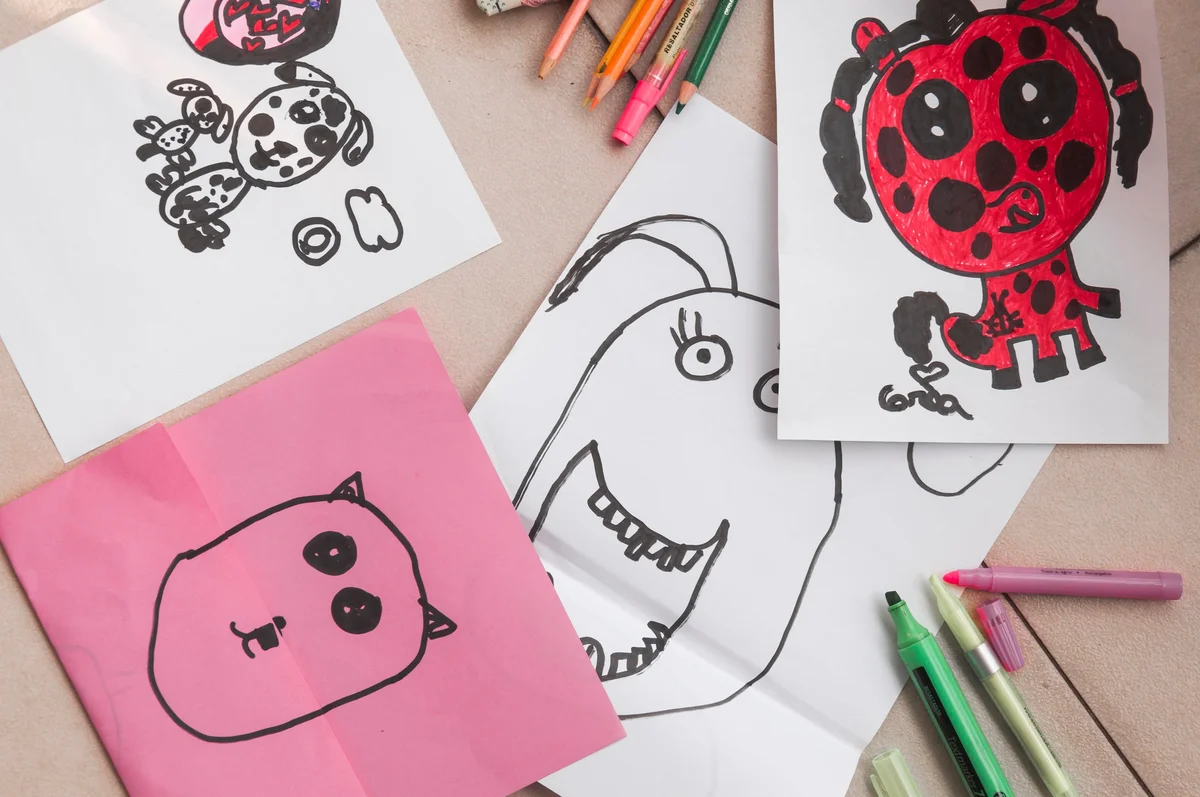
Many parents instinctively express admiration for their children's latest scribbles, often out of habit or to encourage them. However, replacing automatic compliments with more thoughtful observations can genuinely enhance a child's creativity and self-confidence without fostering dependence on adult approval.
Drawing as a Reflection of Development
Before becoming a potential work of art for the fridge, drawing serves primarily as a tool for exploration. According to René Baldy, a child psychology professor, each stroke reveals a stage of growth. Around the ages of three or four, children often produce the iconic "tadpole figure": a simple circle with lines for limbs. This is a pivotal moment indicating that the child is beginning to structure their understanding of the human body.
As children grow, their drawings become more complex. By age six, a second circle appears for the torso, showcasing a more intricate motor skill mastery. Recognizing that these developmental stages are universal helps us understand that a drawing doesn’t need to be aesthetically “pleasing.” It serves as evidence of neurological progression and a continual curiosity for shapes and colors.
The Risk of Compliment Dependency
The habitual use of phrases like "it's beautiful!" can paradoxically hinder a child's creative momentum. This approach may shift focus from the effort put into the artwork to the final outcome. If a child consistently receives the same praise, they might start creating solely to please the adult and secure their "dose" of validation.
Over time, this habit can create pressure. A child may fear they are no longer meeting expectations or worry about producing something deemed “ugly,” leading them to hesitate in trying new techniques. Furthermore, children are perceptive; they can sometimes sense insincerity behind a hasty compliment, which may ultimately weaken the trust they place in their parents' words.
Valuing the Process Over the Result
To support a child without confining them to judgments, the most effective method is descriptive observation. Instead of assessing the quality of the drawing, one can focus on what is happening within it. Noting the use of a particular color, the repetition of a shape, or the mixing of materials can be enlightening. Statements like “I see you used a lot of blue here” or “you drew very long arms on this character” demonstrate to the child that their work is genuinely being observed.
This approach, inspired by Montessori pedagogy, also encourages dialogue. Asking the child about the story behind their drawing or how they felt while creating it empowers them over their own creation. By encouraging them to be their own judge, we help them build a strong sense of self-esteem. Drawing becomes a space of absolute freedom, where failure is not an option—only experiences.
Taking the time to listen to what a child has to say about their artwork is the greatest gift. Ultimately, it matters little whether the sun is green or the house lacks a door; the essence lies in the joy they derived from gliding their markers across the paper.