
Is Your Child Ready for Potty Training? Key Signs to Watch For
As preschool approaches, many parents feel stressed about potty training. A recent study highlights essential signs of readiness, emphasizing that children are not machines and that their unique timelines should guide the process.
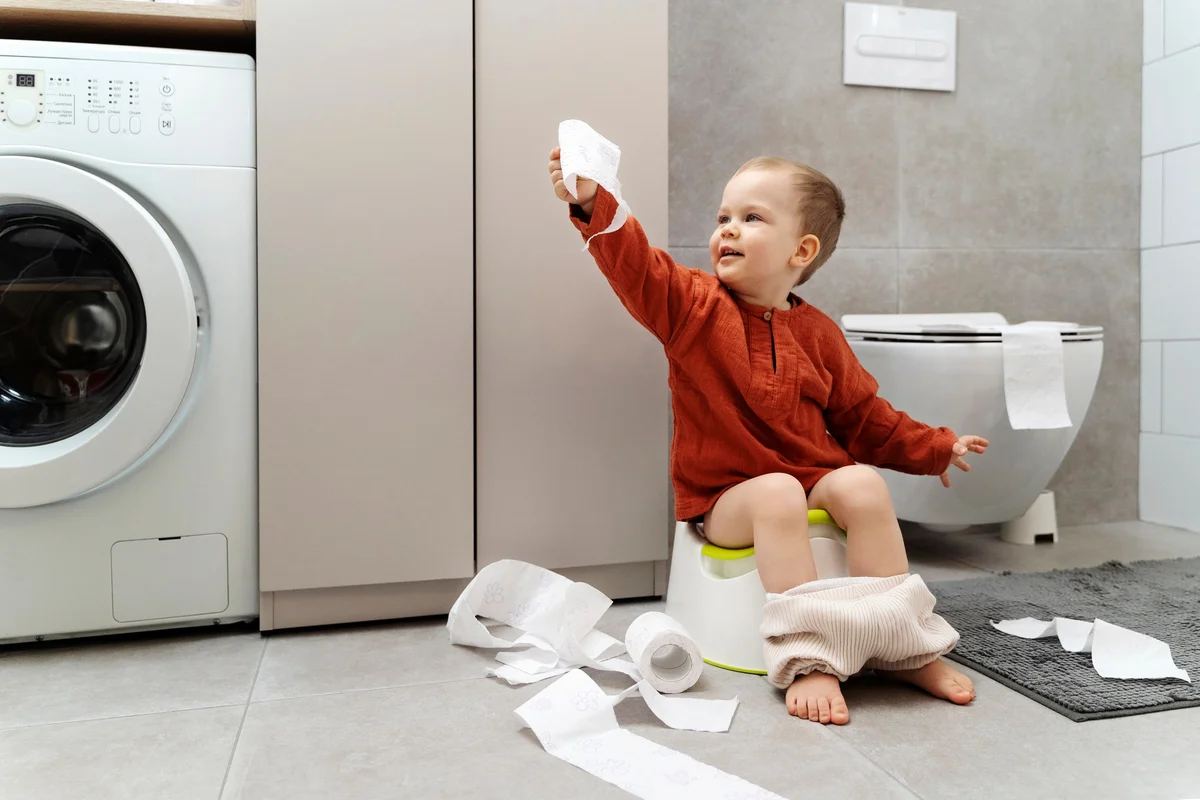
As the time for preschool approaches, many parents feel an overwhelming pressure regarding potty training. A recent extensive study from the University of Michigan has provided some relief, reminding us that children are not machines and that there are specific signs of readiness to look out for during this transition.
The Two-Year Rule: A Myth Heightening Parental Stress
The societal pressure surrounding potty training is palpable, often revolving around the age of two as a critical milestone. However, this study involving 820 parents of children aged one to six reveals that there is no universal timeline for every child. While half of the families attempt potty training around the two-year mark, 21% start earlier, and 22% wait until their child is three.
Pediatrician Susan Woolford, who co-led the study, emphasizes that forcing a child who is not ready can lead to setbacks, tears, and delays. Parents often feel compelled to rush due to external pressures, such as daycare requirements or the financial burden of diapers, which one in five families reported. To ensure a smooth transition, the child’s readiness must take precedence over external demands.
Observing Daily Behaviors: Indicators of Readiness
Rather than adhering to a strict timeline, researchers suggest that parents should become attentive observers of their child's habits. Physically, one of the first signs of readiness is the child’s ability to keep their diaper dry for two hours or more, indicating improved bladder control. A consistent pattern in bowel movements is also a significant biological marker. Additionally, discomfort plays a crucial role; a child who expresses annoyance or requests a diaper change when wet clearly indicates an awareness of their bodily sensations.
Beyond physical signs, maturity also encompasses motor skills and social interaction. If a child can sit independently and manage pulling up and down elastic pants with minimal assistance, they are developing the necessary skills. Interest in imitation is another key factor; a child who follows you to the bathroom, shows curiosity about the potty, or seeks privacy for their needs demonstrates a solid understanding of the concept. Furthermore, the ability to comprehend and follow simple instructions indicates readiness for more advanced communication.
Understand That Regression is Normal
If you think you've succeeded only to face setbacks, don’t worry; this is a common aspect of parenting. The study indicates that one in five parents found this process more challenging than expected. Anxiety about potty training affects 20% of children, and one-third of parents experienced a noticeable regression after initial success.
Children's emotional and physical responses are often influenced by changes in their environment. Events like moving homes, the arrival of a new sibling, or changes in daycare routines can create significant emotional upheaval. During these times, resistance to potty training, increased tension, or even constipation—which was reported by 8% of families—may occur. In such situations, it’s best to avoid confrontation; taking a step back and allowing the child to wear a diaper again can create a more relaxed atmosphere for everyone involved.
Play and Kindness: Your Best Allies
To alleviate the stress of potty training, it’s advisable to create a positive environment around the potty. Establishing regular, pressure-free moments, introducing playful activities, or designating special books for potty time can help associate the experience with relaxation. The popular three-day intensive method may be too stressful for sensitive children and is not always effective.
Celebrating every small achievement with warm encouragement, while avoiding punishment for failures, is crucial. Potty training is a journey towards independence that takes time. If persistent issues arise, such as pain or prolonged withholding of bowel movements, consulting with a pediatrician can provide tailored strategies without adding pressure.