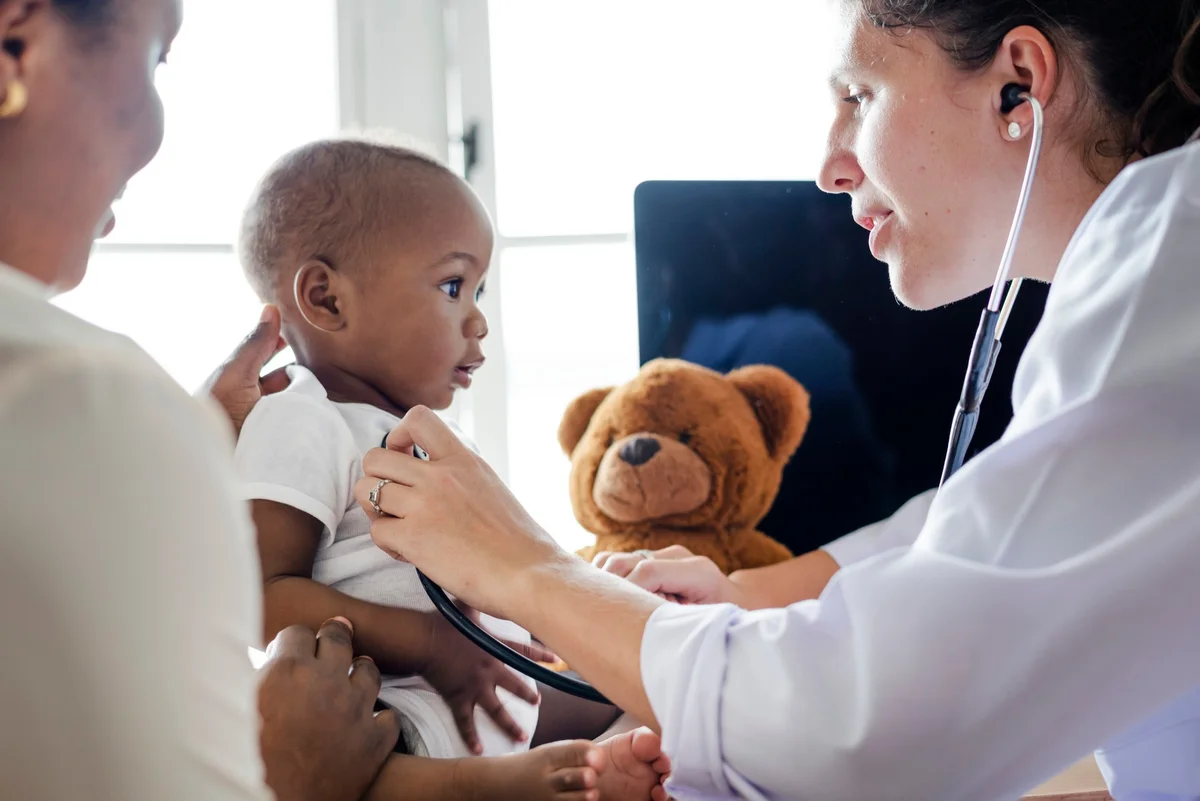
Antibiotic Resistance: The Shock of Discovery in Infants Under 72 Hours
A groundbreaking study presented at the ESCMID Global 2026 congress reveals that antibiotic resistance genes are present in the bodies of infants shortly after birth. This discovery allows scientists to better understand how to protect the smallest among us from antibiotic resistance challenges from day one.
A groundbreaking study presented at the ESCMID Global 2026 congress reveals that antibiotic resistance genes are present in the bodies of infants shortly after birth. While this discovery may be striking, it primarily allows scientists to better understand how to protect the smallest among us from the challenges of antibiotic resistance right from their arrival in the world.
Meconium is No Longer Considered a Sterile Zone
For a long time, the medical community operated under the idea that the womb was a completely protected sanctuary and that the newborn's first stool, meconium, was devoid of any bacteria. However, recent research has begun to challenge this certainty by detecting microbial genetic material in these first stools. A large study conducted by Aristotle University of Thessaloniki and presented in Munich today confirms that bacterial exposure begins much earlier than previously thought.
The team led by Professor Elias Iosifidis analyzed samples from 105 infants admitted to a neonatal intensive care unit between July 2024 and July 2025. By scrutinizing the DNA contained in the meconium during the first 72 hours of life, researchers discovered a striking reality: antibiotic resistance genes (ARGs) are already present, ready to help bacteria survive medical treatments. On average, each sample contained eight different resistance genes, providing an initial complex portrait of what experts call the neonatal resistome.
Maternal Legacy and Hospital Environment Influence Microbiota
According to Dr. Argyro Ftergioti, who led the study, this small genetic "baggage" is built through three avenues: the legacy passed on by the mother during pregnancy, the mode of delivery, and the very first encounters with the hospital environment. It is as if the baby is acquiring an initial "library" of bacteria from its very first hours.
And the results are quite impressive: some genes that help bacteria protect themselves from medications are present in nearly all tested infants (over 95%!). Even more surprisingly, researchers found that more than half of the infants had genes capable of neutralizing very common antibiotics.
What really concerns scientists is that even genes resistant to so-called "last-resort" antibiotics (those typically reserved for the most difficult cases) were detected in one in five infants. Observing these defense mechanisms establishing so early is crucial information for doctors: it allows them to better understand how to protect our children from day one.
Early Medical Care Leaves a Genetic Mark
It seems that the care pathway of the mother and newborn plays a role in this dynamic. For example, if a pregnant woman must be hospitalized, her baby is more likely to present a specific resistance gene (called msrA). The same logic applies to infants who receive intensive care from their first day, such as catheter placement: they tend to exhibit a greater number of these genes. In simple terms, our babies are "soaking up" some of the typical microbes encountered in healthcare settings.
A small surprise for researchers: babies who required resuscitation immediately after birth showed fewer resistance genes. However, Dr. Ftergioti remains cautious on this point: it could simply stem from a difference in exposure to microbes at the very beginning of life.
The aim of this research is not to alarm young parents but to provide insights for caregivers. By understanding how these resistances establish so early, neonatal services can strengthen their hygiene protocols and infection prevention measures.
The more doctors know about this "bacterial shield", the better they can tailor treatments and protect the most vulnerable infants.
You may also like