
Clint Eastwood's Breezy: A Surprising Box Office Flop That Shaped His Career
Clint Eastwood's 1973 film Breezy, now rated 4 out of 5, stands as his biggest box office failure, yet it played a crucial role in shaping his career trajectory.
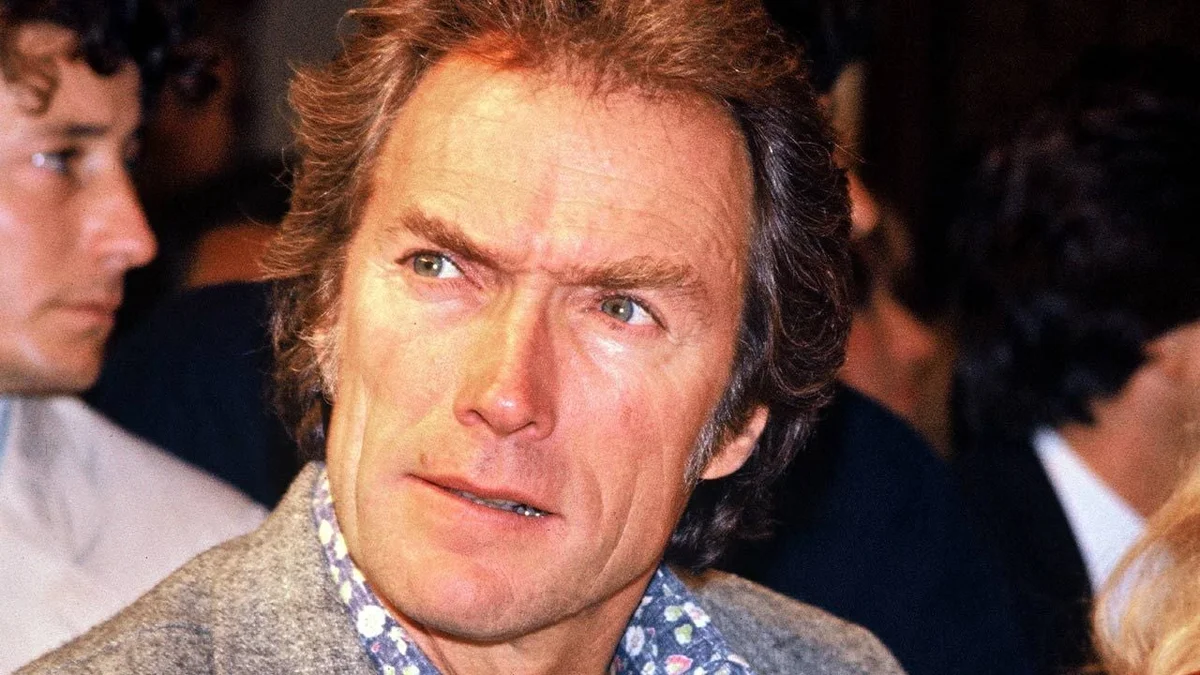
Before becoming one of Hollywood's most revered directors, Clint Eastwood ventured into unexpected territory with his 1973 film Breezy. Despite its current favorable reception, with a rating of 4 out of 5 on AlloCiné, the film stands as Eastwood's most significant box office failure.
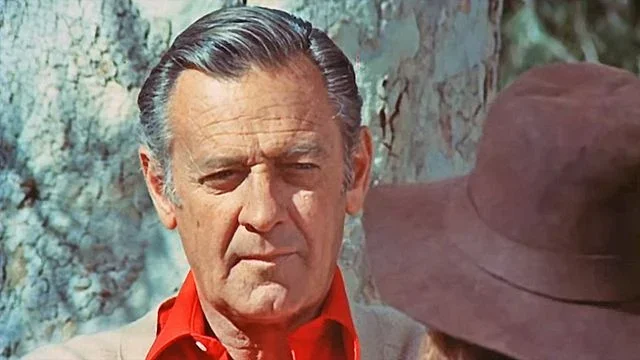
By 1973, Clint Eastwood had firmly established himself as a major figure in American cinema. His role in Dirty Harry, released two years prior, had solidified his tough-guy persona, while his work in westerns continued to bolster his popularity. This year, however, he took a bold step by directing two drastically different projects.
On one hand, High Plains Drifter extended his collaboration with the western genre through a particularly dark and violent narrative. On the other, Breezy introduced a surprising foray into romance.
A Bold Departure with Breezy
The film centers around an unlikely romance between two characters from vastly different backgrounds. Breezy, portrayed by Kay Lenz, is a young hippie in her twenties, while Frank Harmon, played by William Holden, is a wealthy, divorced man of 55 who is accustomed to a solitary life.
Their paths cross, leading to a gradual romantic relationship despite their significant age gap, a theme that sharply contrasts with Eastwood's established image and the types of films his audience was used to.
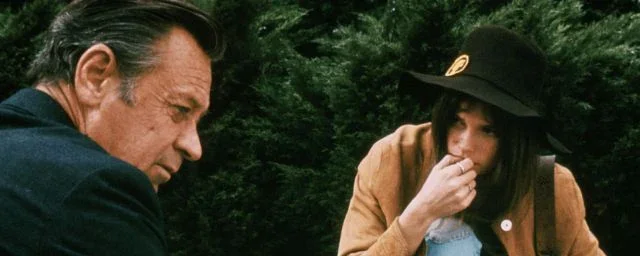
Upon its release on November 16, 1973, in Los Angeles and shortly thereafter in New York, Breezy elicited mixed reviews. Some critics dismissed it as a typical “May-December” romance, highlighting the 35-year age difference between Holden and Lenz during filming. Conversely, others praised Eastwood for taking a risk by stepping away from his usual gun-toting roles to explore a sentimental narrative.
Financial Struggles
Unfortunately, this boldness did not resonate with audiences. The film grossed around $200,000 in the U.S. against a production budget estimated at $750,000, marking a significant commercial disappointment.
Eastwood had hoped to connect with a younger audience, but a major hurdle hindered this goal. The Motion Picture Association of America assigned Breezy an "R" rating due to scenes featuring female nudity, necessitating that viewers under 17 be accompanied by an adult, thereby restricting access to the very demographic he aimed to attract.

Eastwood, however, felt that the film's classification was not the sole reason for its lackluster performance. He voiced his frustration regarding Universal Pictures, the film's distributor, claiming they failed to promote Breezy adequately. He stated, "The public avoided the film because it did not receive enough publicity and was marketed as absolutely not appealing."
This disappointment would ultimately influence Eastwood's career trajectory. Disheartened by the handling of Breezy, he distanced himself from Universal and subsequently partnered with Warner Bros. for his future films.
This shift would prove to be fortuitous, as Warner Bros. became a key collaborator, granting him exceptional artistic freedom and supporting a significant portion of his directorial work. Paradoxically, the biggest commercial failure of his career paved the way for one of its most pivotal chapters.
Today, Breezy can be rediscovered on SFR Play, as well as on DVD and Blu-ray.
You may also like


![Ici tout commence: What to Expect in Episode 1488 on Monday, July 27, 2026 [SPOILERS]](https://glowculturehub.com/cdn/images/b2d3d6d788c39a22a548df320e6d9f77/w1200.webp)