Exploring the Reality Behind Gifted: A Look at the Film's Authenticity
Gifted explores the challenges of raising a gifted child, drawing from real-life experiences of child prodigies while crafting an emotionally authentic narrative.
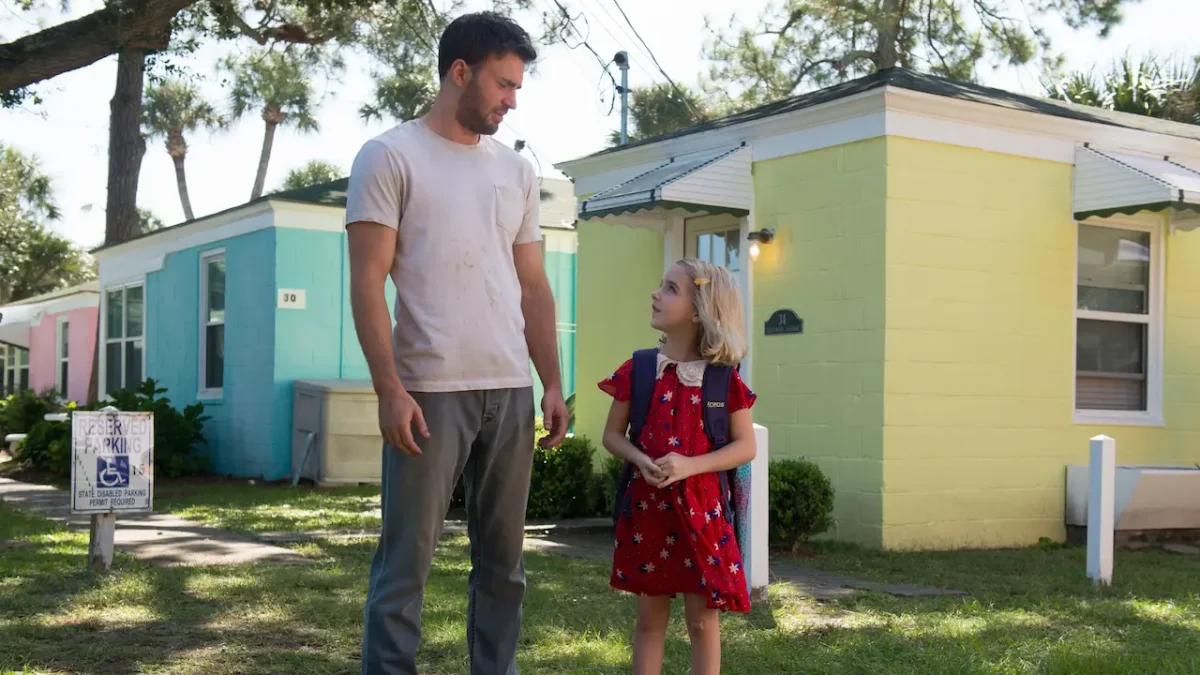
In 2017, Gifted captivated audiences and critics alike with its intimate portrayal of a complex issue: how to raise a gifted child without sacrificing their childhood. Directed by Marc Webb and featuring performances from Chris Evans, Mckenna Grace, Lindsay Duncan, Jenny Slate, and Octavia Spencer, the film navigates the delicate balance between talent, family ties, and the freedom to choose one's future.
The film's emotional realism has led many viewers to wonder if Gifted is based on a true story. The answer is nuanced. While the narrative does not recount the life of a real individual, it draws inspiration from genuine situations and documented cases of child prodigies. This connection to reality lends credibility to its storytelling, transforming a fictional narrative into a profoundly authentic tale.
Gifted is not based on a true story, but reflects real experiences
The straightforward answer is that Gifted is not rooted in a true story. The screenplay, crafted by Tom Flynn, is an original creation, not adapted from any novel, biography, or real-life event. The script garnered significant attention prior to production, making its way onto the prestigious Black List, which highlights the best unproduced screenplays in Hollywood.
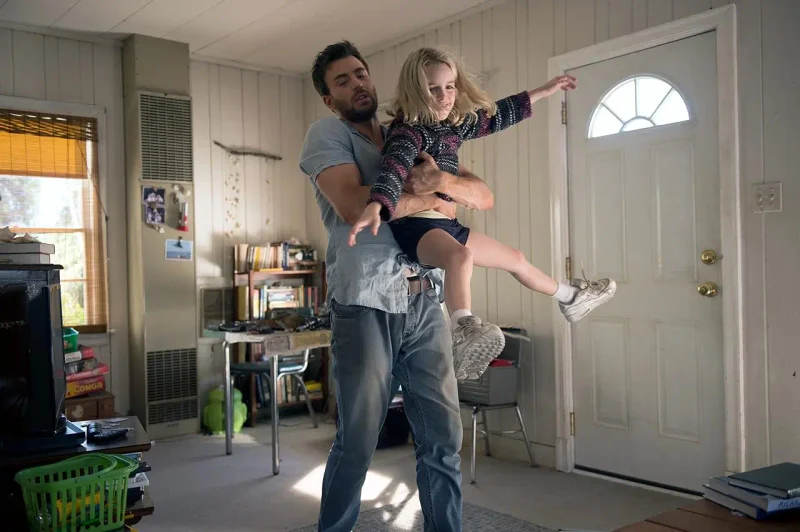
The film's central question is a pressing one: what is best for a child with exceptional abilities? Should their talent be nurtured from an early age, or should they be allowed to experience a more typical childhood? This dilemma is at the heart of the conflict between Frank Adler, who aims to protect his niece Mary, and her grandmother Evelyn, who believes that extraordinary intelligence should be cultivated without compromise.
To lend authenticity to this dynamic, the production sought insights from experts in the field. Jordan Ellenberg, a mathematician and former child prodigy, served as a scientific consultant. After discovering his articles on mathematical outreach, director Marc Webb enlisted him to ensure that the film accurately represented the thought processes of a young exceptional mind. Ellenberg even makes a brief appearance in the film as a university professor during an advanced mathematics class.
Mary Adler embodies the experiences of real child prodigies

Although Mary Adler is a fictional character, she mirrors traits shared by many real-life prodigies. Her remarkable aptitude for mathematics echoes the journeys of young geniuses throughout history who have displayed exceptional intellectual capabilities from an early age.
Prominent examples include Blaise Pascal, who revolutionized geometry as a teenager, John von Neumann, hailed as one of the 20th century's greatest mathematicians, and Sor Juana Inés de la Cruz, who could read and study advanced subjects as a child. Each faced vastly different experiences but contended with enormous expectations and environments that often failed to see them as ordinary children.
The film captures this tension, depicting Mary as possessing extraordinary intelligence while also desiring to attend school, forge friendships, and engage in everyday experiences. Her situation parallels that of many contemporary young talents, frequently highlighted in the media for being forced to choose between accelerated growth and a more typical childhood.
Real-life cases illustrate the film's conflicts

The most realistic aspect of Gifted is its portrayal of the educational debate surrounding gifted children. Parents, educators, and psychologists have long discussed the best ways to nurture exceptional abilities. Opinions vary widely, and there is no one-size-fits-all solution.
One frequently cited example is Esther Okade, a young British student of Nigerian descent who began her university studies at just ten years old. Despite her extraordinary mathematical skills, her family sought to avoid undue pressure, respecting her wishes and developmental pace.
Another significant case is that of Karina Oakley, a girl whose IQ was estimated at around 160. Despite media attention, her mother chose to keep her in a school with children her own age, believing that a happy childhood was more important than academic acceleration. This philosophy closely aligns with Frank’s beliefs in the film, emphasizing that talent requires relationships, play, and emotional stability for healthy development.
These real-life stories demonstrate that the core of Tom Flynn's narrative resonates with reality, even if it does not replicate the story of a specific family.
Why Gifted feels like a true story

The reason many viewers perceive Gifted as based on true events lies in its emotional authenticity. The situations, dialogues, and familial conflicts are crafted with an awareness of the real challenges many families with gifted children face daily.
The decision to avoid stereotypical characters adds to the film's credibility. Frank does not reject his niece's talent; rather, he fears that her personal growth may be compromised. Conversely, Evelyn views Mary’s abilities as a once-in-a-lifetime opportunity that should not be squandered. Both perspectives reflect ongoing discussions among psychologists and educators regarding how best to support gifted children.
Thus, while Gifted cannot be classified as a film based on a true story, it effectively illustrates how fiction can emerge from real-world observations. The tale of Mary Adler is fictional, yet it poignantly captures the doubts, responsibilities, and difficult choices that accompany the upbringing of many young prodigies. This connection to authentic experiences explains why the film continues to resonate and provoke thought long after the credits roll.