Corrector vs. Pre-Corrector: What’s the Difference and When to Use Them?
Today I want to talk about concealers, specifically the difference between a pre-corrector and a concealer. Understanding their differences can help you achieve a flawless complexion.
- 0Shopping Cart
Last updated March 6, 2025, 11:23 PM
Hello friends! Today I want to talk to you about concealers, specifically about the difference between a pre-corrector and a concealer. For many of us, using concealer is a key step to achieving an even and flawless complexion. However, not all products designed to correct the skin work the same way. Two of the terms that can create the most confusion are these two products. Although their function is similar, there are key differences in their use and application. So here’s everything you need to know!
What is a Pre-Corrector?
The pre-corrector is a product designed to neutralize unwanted tones in the skin before applying traditional concealer. Its main function is to correct intense discoloration using color theory, where opposite colors on the color wheel neutralize each other.
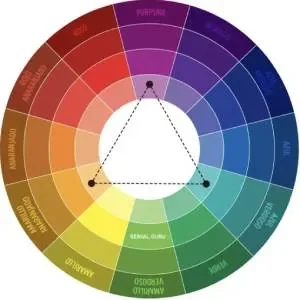
Types of Pre-Correctors and Their Uses
- Salmon or Peach Tones: Ideal for neutralizing bluish or purple dark circles, common in light to medium skin tones. I recommend the Pre-Correctors from Catrice in shades 010 (pink) and 020 (peach); they are budget-friendly and very good. There are also the famous Pre-Correctors from Huda Beauty in lighter shades like Peach or Pink Pomelo.
- Orange or Red Tones: Perfect for correcting very pronounced dark circles in darker skin tones. These tones can also be found in Huda Beauty's Pre-Correctors in darker shades like Mango or Papaya.
- Green: Neutralizes redness in the skin, such as blemishes, rosacea, or small visible veins. You can find, for example, the Eraser Color Correcting Concealer from Maybelline in the Green shade.
- Yellow: Brightens dull or purple areas, such as mild bruises or visible veins in light skin. I recommend the L.A. Girl brand and its Pre-Corrector in the Yellow shade.
- Lilac or Lavender: Revitalizes sallow or yellowish skin, adding luminosity. You can find it in the Eraser Color Correcting Concealer line from Maybelline in the Purple shade.
Pre-correctors should be applied before conventional concealer and in small amounts, blending them well to avoid buildup on the skin.

What is a Concealer?
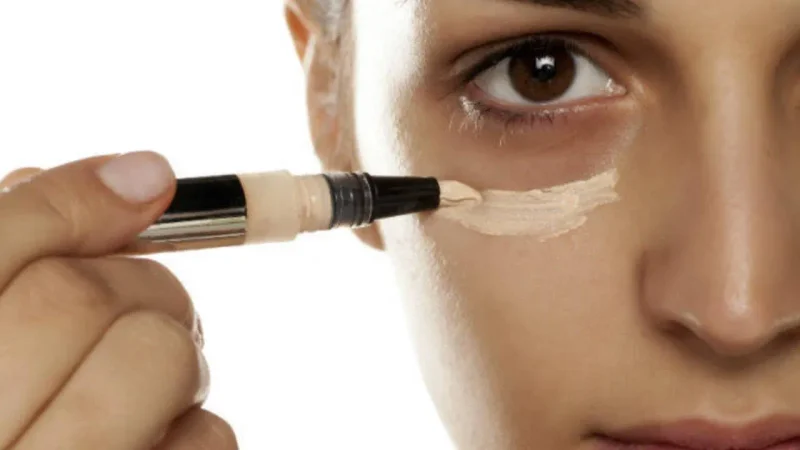
The concealer is the product applied after the pre-corrector and serves to unify the skin tone, illuminating the area and ensuring that the makeup looks natural. Unlike the pre-corrector, concealers usually have more neutral tones or shades similar to the skin color and are used to cover moderate dark circles, spots or hyperpigmentation, acne marks, among other things.

How to Combine Them Correctly?
- Apply the pre-corrector only to the areas that need neutralization, using a small amount and blending it with a sponge or brush.
- Apply the concealer in a shade that matches your skin tone or is slightly lighter over the pre-corrector to even out the tone and achieve a natural finish.
- Set with translucent powder if necessary to prevent it from moving or settling into fine lines.
Do I Need Both Products?
It will depend on the level of correction your skin needs. If you have very pronounced dark circles, dark spots, or intense redness, a pre-corrector will help neutralize those tones before applying concealer, achieving a more uniform finish. It is very useful, and the finish is undoubtedly more professional when you learn to master the technique. However, if you don’t have much to cover or just want something light, a good concealer may be sufficient.
The key to flawless makeup lies in understanding how products work and applying them correctly. The pre-corrector is a powerful ally when there are marked discolorations, while the concealer is responsible for unifying the skin tone for a natural finish.
If you haven’t tried them together yet, give it a go, and you’ll notice the difference in your makeup!
You may also like