Discount Beauty Stores: A Growing Trend Amid Economic Pressures
Explore the rising trend of discount beauty stores in France as consumers seek affordable options amid economic challenges. Discover insights into popular retailers and their impact on the beauty market.
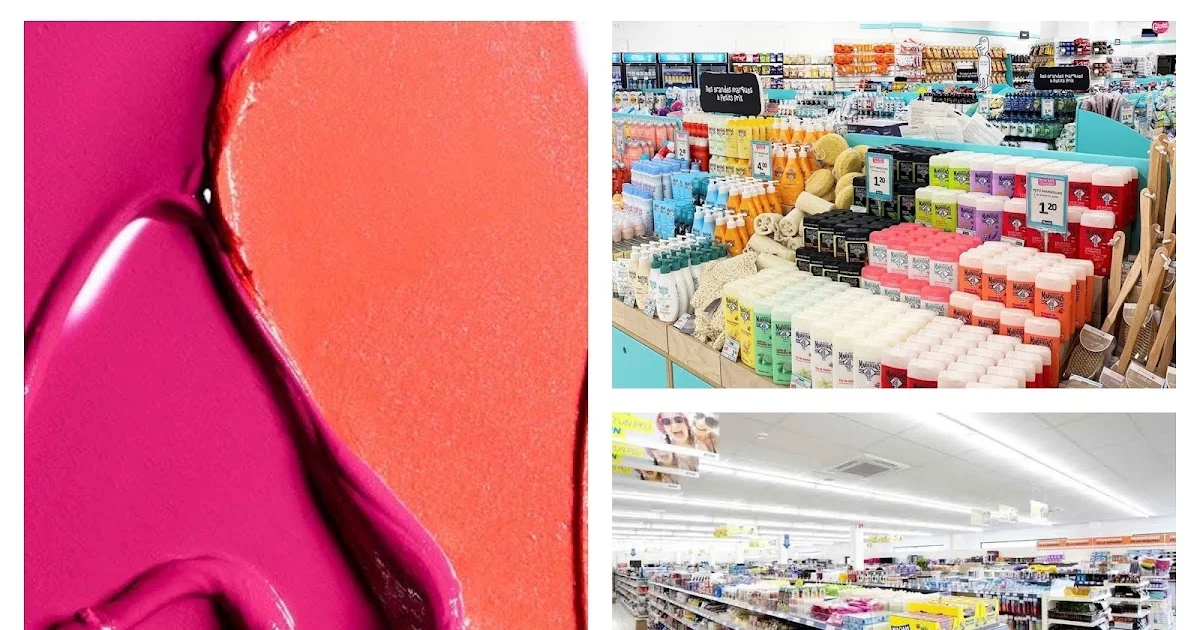
The allure of discount beauty stores has become increasingly prominent in France, reflecting the changing purchasing habits of consumers amid rising inflation and economic uncertainty. As traditional retail prices soar, many shoppers are turning to discount outlets to find affordable beauty products.

The rise in popularity of discount retailers like Action, Noz, and Normal is evident, as more French consumers seek budget-friendly options. While some may argue that sales seasons are still relevant, the frequency of promotions and private sales throughout the year has diminished the excitement surrounding traditional sales events. Instead, a variety of discount shopping opportunities have emerged, including the recent announcement of a new chain, Toujust, set to open in Alès with plans for 70 stores by March 2024.
The trend towards discount beauty shopping is not just anecdotal; statistics reveal a steady increase in the number of French shoppers frequenting these stores. According to a recent survey by LSA, the percentage of consumers visiting discount stores rose from 15.7% in 2017 to 24% in 2021, indicating a growing reliance on these outlets for affordable beauty products.

Retailers like Normal and NOZ offer a unique shopping experience. Normal, for instance, is praised for its organized layout and a mix of well-known and lesser-known beauty brands. However, some shoppers perceive its pricing as not particularly cheap, likening it more to an American drugstore than a pure discount retailer.
Conversely, NOZ is characterized by its chaotic environment, where shoppers enjoy the thrill of hunting for bargains among a hodgepodge of items. While some consumers may not specifically shop for beauty products, the presence of well-known brands at competitive prices makes it an attractive option.

ACTION, on the other hand, has emerged as a major player in the beauty market, despite mixed opinions about its product offerings. While many shoppers are drawn to its low prices, concerns about the quality and authenticity of some products persist. The store is known for its vast selection of beauty items, often at prices that seem too good to be true, raising questions about their reliability and safety.

The broader implications of this shift towards discount beauty shopping are significant for the cosmetics industry. As consumers increasingly opt for budget-friendly alternatives, traditional beauty retailers may face challenges in maintaining their market share. The focus on essential hygiene products like shampoos and body washes in discount stores suggests a shift in consumer priorities, driven by economic necessity.
In conclusion, as the trend of shopping at discount beauty stores continues to grow, it will be crucial for brands to adapt their strategies to cater to this changing landscape. The rise of discount retailers is not merely a passing trend; it reflects a fundamental shift in consumer behavior influenced by economic factors, making it essential for the beauty industry to respond accordingly.