
The Evolving Landscape of Pregnancy Skincare
Explore the evolving landscape of pregnancy skincare, highlighting the shift from traditional pharmaceutical products to modern brands focusing on emotional connections and clean beauty.
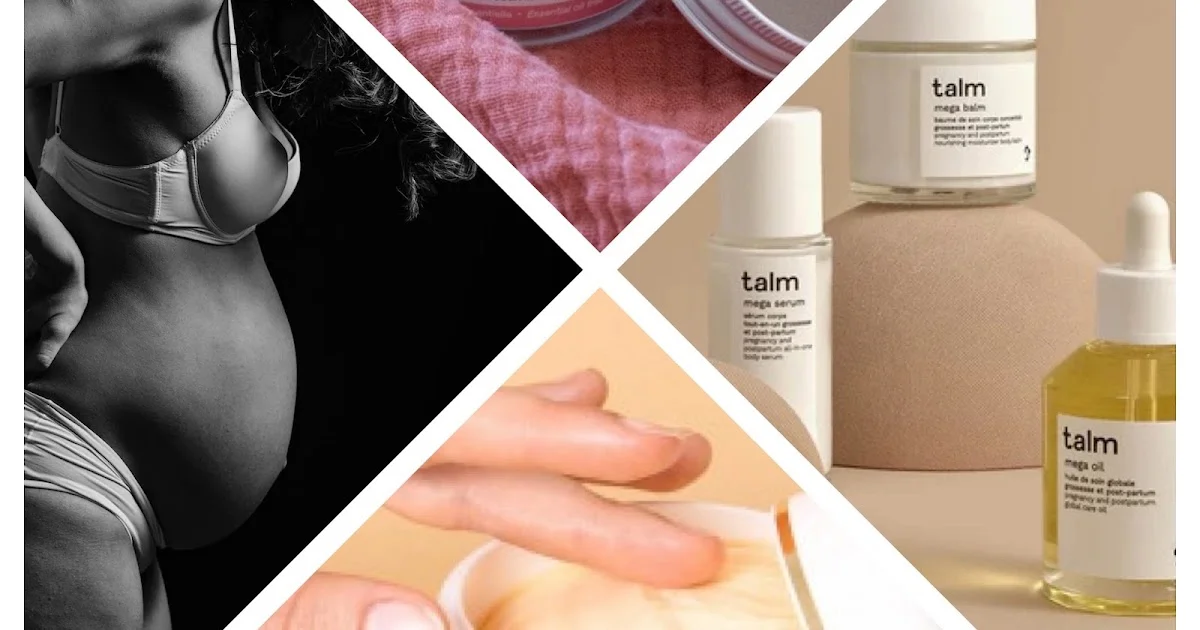
The beauty industry is witnessing a significant transformation in the realm of pregnancy skincare, a topic that has gained traction recently. While the author humorously notes that they are not personally affected by this subject, they aim to explore the marketing evolution surrounding products designed for expectant mothers.
Historically, the options available to pregnant women were quite limited. Approximately two decades ago, the market was predominantly pharmaceutical, offering a narrow range of products focused primarily on preventing or correcting stretch marks. Brands like Lierac, Elancyl, and Mustela were the main players, providing solutions that were more technical and efficiency-driven, lacking the emotional resonance that many modern brands now embrace.

The landscape began to shift around 2012-2013 with the introduction of Bi-Oil, which made waves in the market by focusing solely on stretch mark care. This brand distinguished itself by promoting a natural approach to skincare, a concept that was not widely adopted at the time. Bi-Oil's success was bolstered by its international reputation, allowing it to capture the attention of consumers in France and beyond. Despite its marketing claims of being a natural product, the formulation was not as clean as it suggested, yet it still achieved significant sales within pharmacies.

Around the same time, the French brand Omum emerged, dedicated entirely to pregnancy skincare. This brand broke new ground by fostering a more emotional and sensory dialogue around the experience of pregnancy. Omum emphasized the importance of bonding between mother and baby, integrating pleasurable textures and scents into their products. Its commitment to natural ingredients and eco-friendly packaging resonated with consumers, especially as the organic market began to flourish.
As the market evolved, other brands like Téane and Daylily entered the scene, focusing on clean, safe products that appealed to modern sensibilities. Daylily, in particular, has successfully engaged with expectant mothers through social media, expanding its product line significantly from its initial offerings. The brand's approach of addressing not only pregnancy-related needs but also the broader concerns of women seeking clean beauty products has proven to be a smart strategy.

Despite the challenges of targeting a niche market, new brands continue to emerge. Talm, for instance, has garnered attention for its minimalist, modern packaging and premium pricing. This brand aims to elevate the experience of using stretch mark oils, transforming a mundane task into a pleasurable ritual. Talm's focus on digital marketing aligns with contemporary consumer behavior, although the rising costs of customer acquisition present challenges.
Furthermore, the article highlights other innovative brands such as Kenko, which offers perfumes designed to be gentle on the sensitive noses of pregnant women, and Ynée, which, while aesthetically pleasing, could benefit from a stronger brand identity. Jolly Mama, focusing on dietary supplements for expectant mothers, also reflects the current trend toward holistic wellness.
In conclusion, the landscape of pregnancy skincare is rapidly evolving, with brands increasingly focusing on emotional connections and clean beauty. This shift not only addresses the physical needs of expectant mothers but also nurtures their emotional well-being, marking a significant departure from the past.