Understanding the Ending of Knowing: A Cinematic Exploration
Exploring the complex themes and ambiguous ending of Alex Proyas' 2009 film Knowing, which delves into fate, free will, and the nature of hope amidst catastrophe.
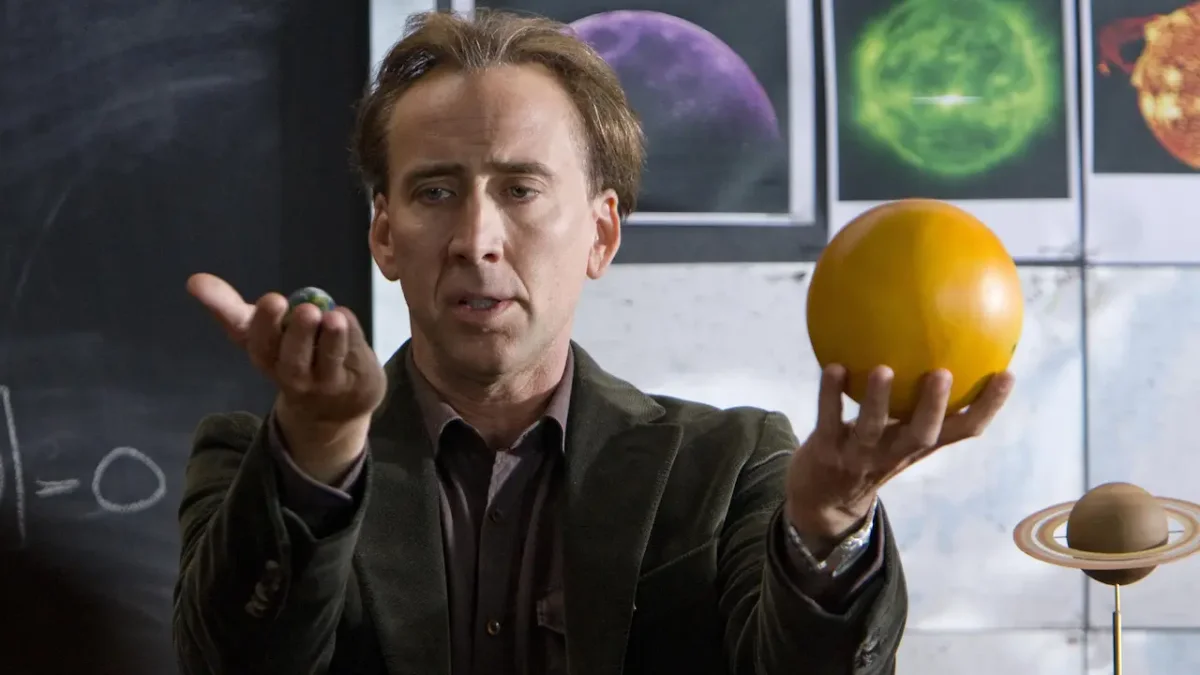
In 2009, Knowing, directed by Alex Proyas, stirred considerable debate among audiences and critics alike. Known for his works such as The Crow and I, Robot, Proyas crafts a narrative that initially appears to be a science fiction thriller steeped in secret codes, prophecies, and looming disasters. However, as the plot unfolds, it shifts towards deeper existential inquiries, exploring the interplay between fate and free will, the limits of scientific understanding, and the essence of hope in the face of the inevitable.
The film's conclusion remains one of its most contentious aspects. Many viewers are taken aback by Proyas's choice to eschew the traditional heroic finale in which the protagonist saves the world, opting instead for an unavoidable apocalypse. This decision encapsulates the film's core message: Knowing is less about the potential to avert catastrophe and more about humanity's response to what lies beyond their control. In this light, the finale takes on a symbolic significance that transcends mere narrative closure.
How Alex Proyas Transforms a Disaster Film into a Reflection on Fate, Faith, and Mystery
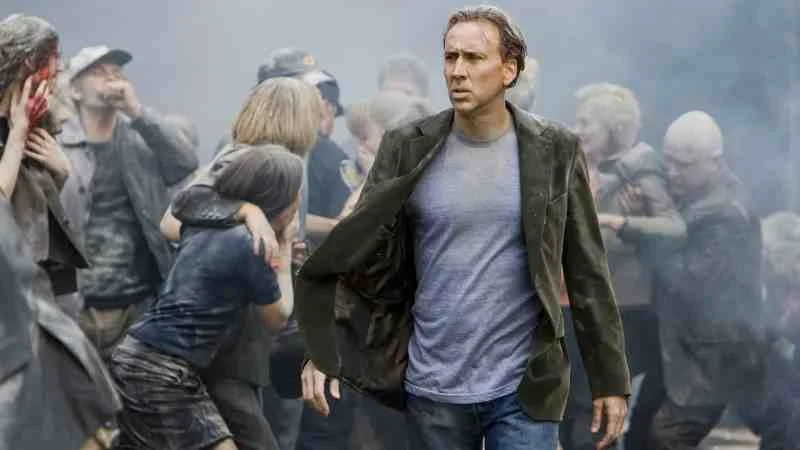
Proyas's filmography features protagonists who relentlessly seek hidden truths behind the facade of reality. From The Crow to I, Robot, and now Knowing, his characters inhabit worlds governed by forces that often elude human comprehension.
In this narrative, the central figure is John Koestler, played by Nicolas Cage, an astrophysicist who navigates his world through a scientific lens. Upon discovering that a girl predicted numerous future disasters with alarming accuracy fifty years prior, his faith in rationality begins to crumble.
The film's structure parallels John’s journey, transforming what starts as a mere investigation into mysterious numbers into a profound reflection on the nature of coincidences, the existence of a higher design, and the futility of trying to control every event. While science fiction remains a constant element, it is interwoven with religious and symbolic imagery that defies a singular interpretation.
This ambiguity sets Knowing apart from typical disaster films. The focus shifts from the spectacle of destruction to the protagonist’s internal transformation, as he learns to accept that some phenomena cannot be fully explained by equations.
What Happens at the End of Knowing and Why John Cannot Save Humanity
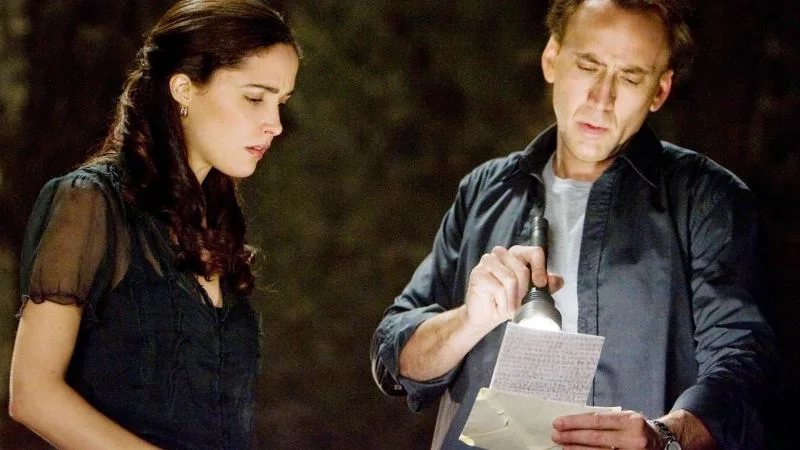
After deciphering the final part of Lucinda's message, John realizes that the last letters do not refer to the number 33, as he initially thought, but to “EE,” meaning “Everyone Else.” The final prophecy pertains to the death of all Earth's inhabitants.
This revelation clarifies that the code was not intended to prevent events but rather to announce them. John’s attempts to alter the future, including efforts to prevent predicted disasters, prove futile. Fate follows a predetermined path.
Upon reaching the coordinates left by Lucinda, John uncovers the true nature of the mysterious figures Caleb referred to as “the Whisperers.” These beings are selecting certain children to survive the impending destruction caused by a massive solar storm.
However, John realizes he has not been chosen. He can only bid farewell to his son Caleb, encouraging him to leave with Abby for an unknown destination. Accepting this separation, he reconciles with his father just before the cataclysmic solar eruption obliterates the planet.
The film's closing sequence depicts Caleb and Abby arriving on a new, pristine world, dominated by a colossal tree. This image straddles the line between science fiction and allegory, inviting multiple interpretations.
The Aliens or Angels? The Dual Meaning of the "Whisperers" and the Clash Between Science and Faith
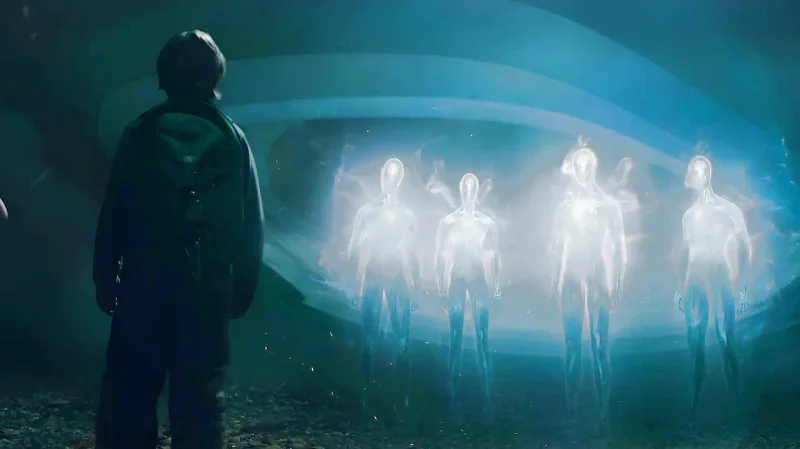
One of the most intriguing aspects of the ending is Proyas's deliberate choice to leave the identity of the luminous beings ambiguous.
From a scientific perspective, the Whisperers could represent an advanced extraterrestrial civilization observing Earth. Through Lucinda, they attempt to prepare humanity for the impending extinction, rescuing select children to help rebuild civilization on another planet. The numerous spacecraft departing Earth seem to support this theory.
Conversely, the second interpretation leans toward the religious. The Whisperers resemble angels more than aliens: they communicate telepathically, emit a near-divine light, and guide the children toward a new Eden. The final tree evokes the Tree of Life, while Caleb and Abby symbolize a new humanity set to begin anew.
This duality mirrors John’s own journey. A man of science who struggles to accept any spiritual explanation eventually comes to acknowledge that rationality alone cannot account for all that occurs. The film does not force viewers to choose between faith and science; rather, it suggests that both can coexist as different lenses through which to interpret the same mystery.
Why the End of the World Is Not a Defeat but the Conclusion of John Koestler’s Journey
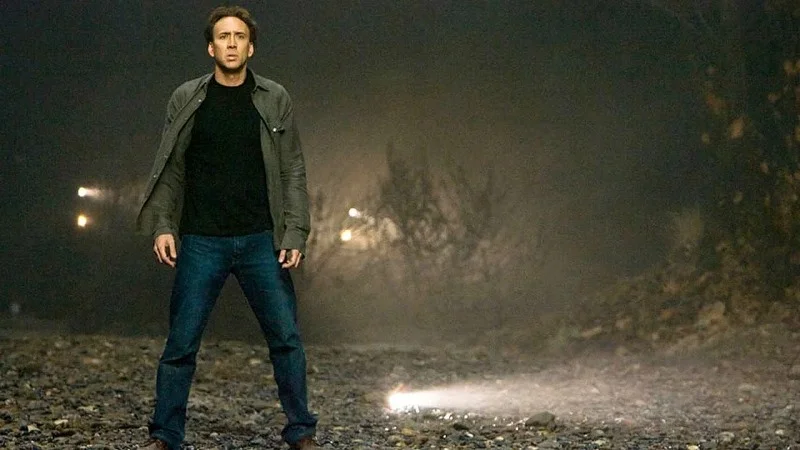
At first glance, the ending may seem profoundly pessimistic. Humanity faces annihilation, prophecies come to fruition, and the protagonist fails to save the world.
However, Knowing portrays a distinctly different transformation. Initially, John is consumed by the obsession to find logical explanations for every phenomenon. Every event must have a cause, every problem a solution. Upon realizing that some tragedies are unavoidable, his priorities shift entirely.
His decision to accompany Caleb until the very end, despite knowing he must stay behind, represents his true act of heroism. John relinquishes the illusion of control to embrace his responsibilities as a father. Simultaneously, he rekindles his relationship with his father, a reverend with whom he had severed ties due to differing beliefs about faith.
Thus, the apocalypse serves as the backdrop for a familial and spiritual reconciliation. While Earth's destruction remains inevitable, the protagonist finds meaning in his final moments.
The True Meaning of the Ending of Knowing: Hope Survives Even When Fate Is Written
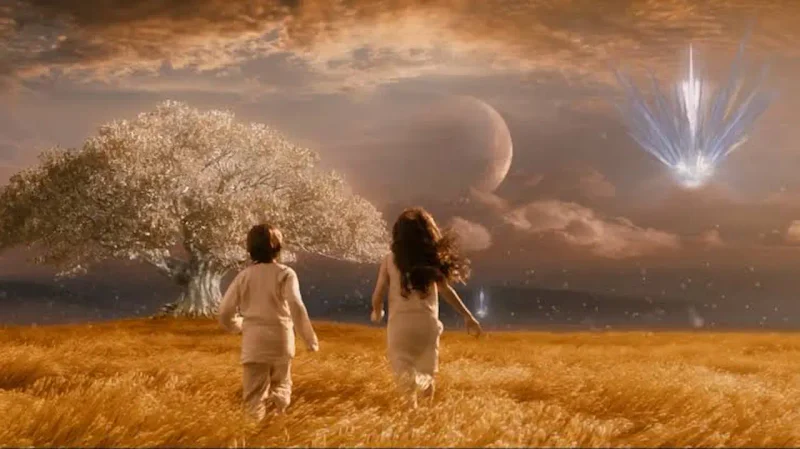
The concluding image of Caleb and Abby running toward the enormous white tree encapsulates the film's entire philosophy. After two hours dominated by death, tragedy, and disaster, Proyas opts to end with a symbolic birth.
The film suggests that every ending inherently contains a new beginning. While Earth may vanish, humanity continues elsewhere. John’s sacrifice allows his son to survive and become the bridge between the old and new worlds.
Even the great paradox of the numbers finds a coherent explanation. The prophecies were not sent to alter the future but to prepare those who would face it. Knowledge, therefore, does not serve to evade destiny but to confront it with greater awareness.
This conclusion is what makes Knowing a still-original work. Beneath the surface of the science fiction thriller lies a meditation on human limitations, the relationship between faith and reason, and the potential for hope even in the face of inevitable endings. For this reason, its epilogue remains one of the most discussed and captivating in contemporary science fiction.