House of the Dragon Season 3: The Battle of Tumbleton and Its Key Differences from the Novel
The third season of House of the Dragon features the Battle of Tumbleton, showcasing significant differences from George R.R. Martin's Fire and Blood. Explore the character dynamics and plot changes.
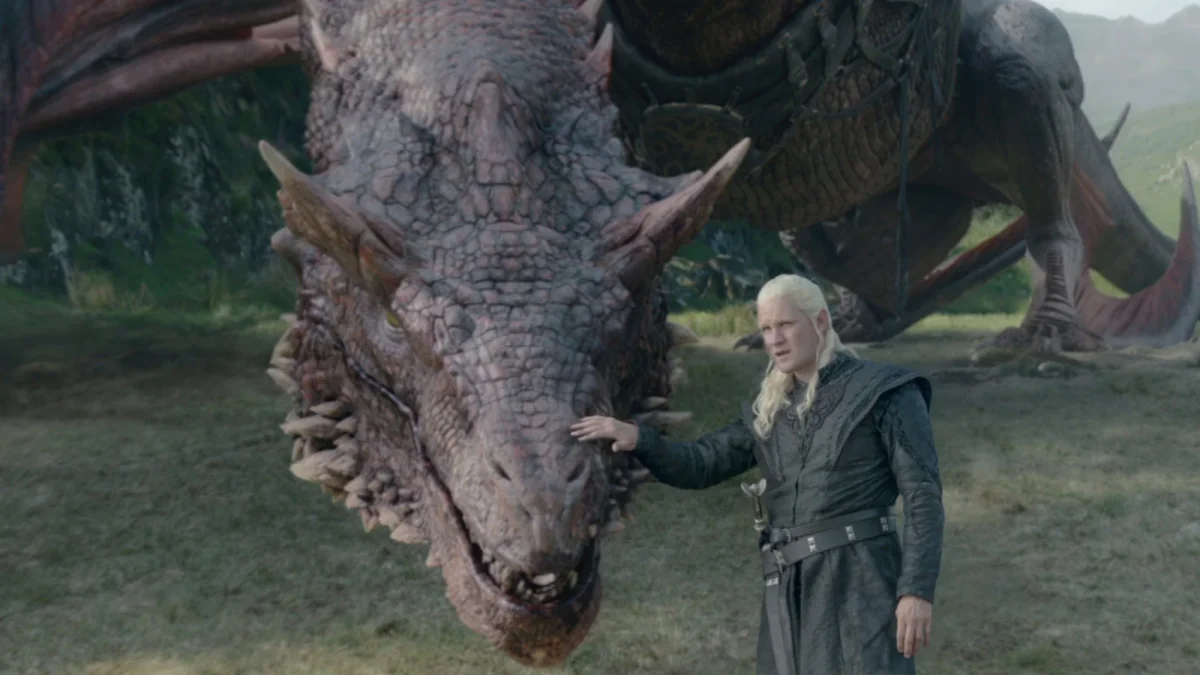
Since Ormund Hightower (James Norton) seized control of Tumbleton in the third episode of House of the Dragon – Season 3, fans anticipated the impending Battle of Tumbleton.
This battle is one of the most notorious events from Fire and Blood by George R.R. Martin, marking a significant defeat for Rhaenyra's forces (Emma D’Arcy), worsened by the betrayal of some of her dragon knights. While the season finale captures these crucial elements, it diverges from the original material in several key details, much like the Battle of the Gullet. Here are the primary differences between the Tumbleton battle in House of the Dragon and that in Fire and Blood.
House of the Dragon Changes the Dynamics of the Siege in the Battle of Tumbleton
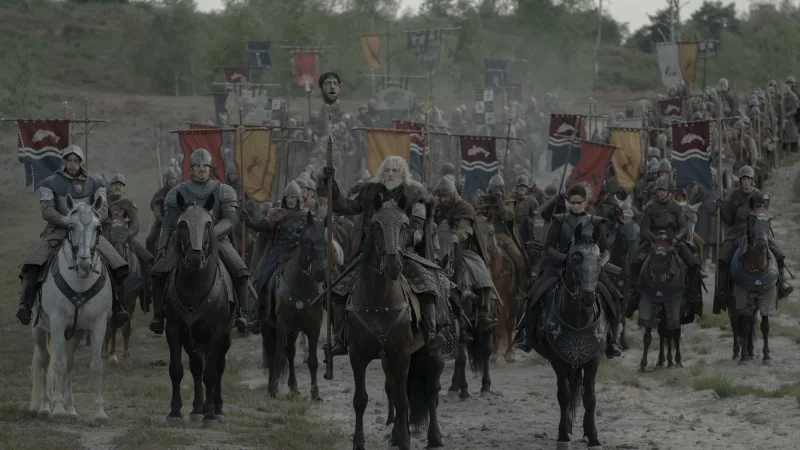 In Fire and Blood, Rhaenyra's forces defend Tumbleton while Ormund's troops attack. However, House of the Dragon flips this scenario. By the time the battle occurs, Ormund has established a stronghold in Tumbleton, forcing Rhaenyra to decide whether to launch an attack.
This shift presents new opportunities for House of the Dragon. It amplifies Rhaenyra's moral dilemma: should she risk harming her subjects by attacking Tumbleton, or should she adopt a peaceful approach and be perceived as weak? On the opposing side, this alteration allows the series to delve into Ormund's sadistic nature, first by cruelly treating the dissenting residents of Tumbleton, and then by employing children as human shields in his military strategy. This tactic is a unique addition by the series, as is much of Ormund's character, which Martin only sketches briefly in Fire and Blood.
Corlys and Gwayne's Peace Plan is Entirely Original
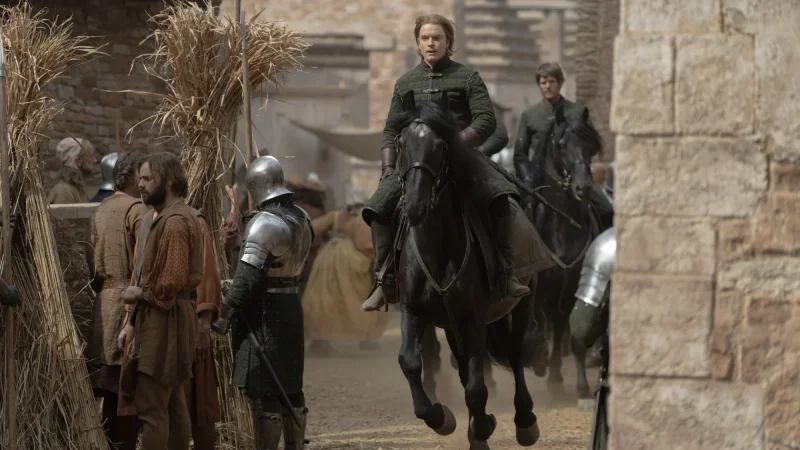 Before the Battle of Tumbleton erupts in House of the Dragon, Gwayne Hightower (Freddie Fox) and Daeron Targaryen (Benjamin Evan Ainsworth) attempt to leverage Corlys Velaryon (Steve Toussaint) as a bargaining chip to negotiate peace.
Notably, neither Gwayne nor Corlys appears in the Tumbleton battle in Fire and Blood. Corlys is never captured, and Gwayne had already been killed when Rhaenyra seized control of King’s Landing. Thus, their plan is a creation exclusive to the series, aligning with its recurring themes of characters striving to avert unnecessary bloodshed.
Daemon is Absent from Tumbleton in “Fire and Blood”
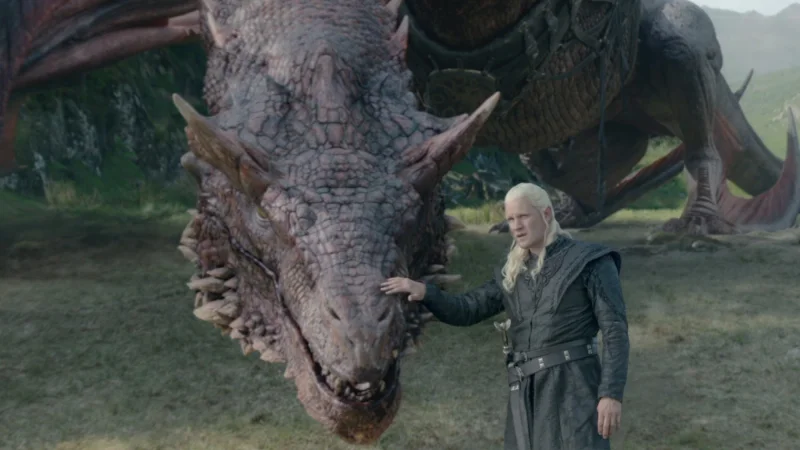 Speaking of characters not present during the Tumbleton battle in Fire and Blood, we must mention Daemon Targaryen (Matt Smith). The Consort King does not participate in the battle as depicted in the book. However, his inclusion makes sense, given that many key figures from the Black Team in the book, aside from Roddy the Ruin (Tommy Flanagan), have been omitted from the series. The show has consistently cut secondary characters from the book while rearranging primary roles, and this instance is no exception. After all, who are viewers more likely to connect with: Daemon, whom they have followed since the first season, or a lesser-known character like Ser Garibald Grey?
In “Fire and Blood”, Daeron and Tessarion Take Action
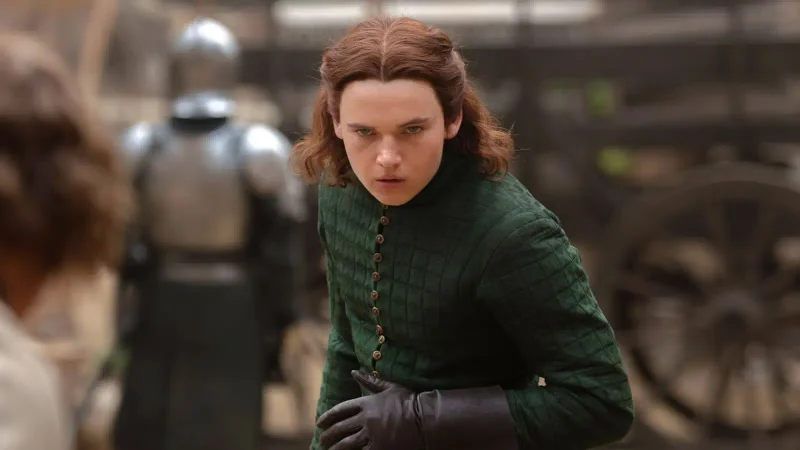 In contrast to the series, where he seeks to negotiate peace, Daeron Targaryen in Fire and Blood actively participates in the battle mounted on his dragon, Tessarion. The series presents a less battle-hardened Daeron, who, despite his desire to soar into the sky, is ultimately dissuaded by Gwayne. As the fate of House of the Dragon remains uncertain, fans hope that the young Targaryen prince will have more opportunities to shine in the upcoming season.
Ulf the White's Search is Absent from Fire and Blood
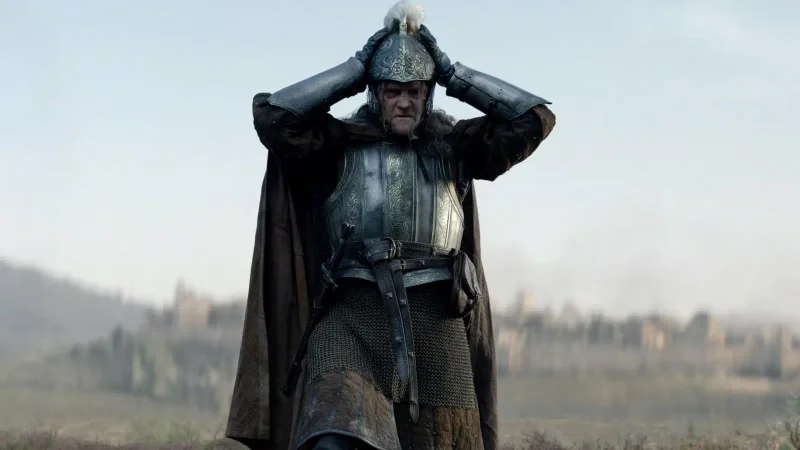 In a completely new subplot, Ormund spends a significant portion of the season three finale searching for Ulf the White (Tom Bennett), his final piece in the battle's chess game. However, Ulf has indulged a bit too much with his companions and ends up passed out in a latrine. While Fire and Blood brands him a vile traitor, at least this portrayal allows him to maintain some dignity!
After Ormund slaps him for his tardiness, Ulf realizes that no matter whom he serves, he will always be regarded as inferior. At that moment, he betrays another ally, burning Ormund with a fiery “screw you.”
Hugh Hammer Also Betrays Rhaenyra in Fire and Blood
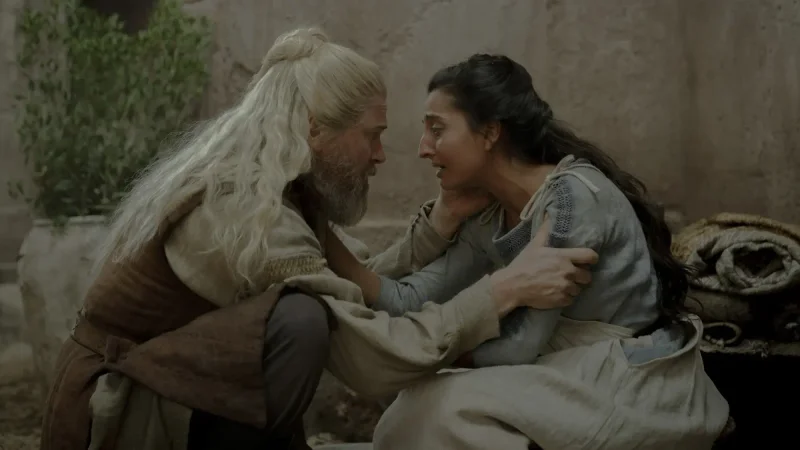 Speaking of treacherous characters, Hugh Hammer (Kieran Bew) joins Ulf in turning against Rhaenyra in Fire and Blood, contributing to the destruction of Tumbleton alongside Vermithor. The book suggests that the reasons behind the betrayal of these two traitors may never be fully understood, with both greed and cowardice being speculated as motivations.
While House of the Dragon retains greed as Ulf's motivation, it completely reimagines Hugh's character and his reasons for betrayal compared to the book. In the novel, Hugh is brutish, but in the series, he is portrayed as a family man trying to reconcile with his estranged wife, Kat (Ellora Torchia). This personal motive leads him to Tumbleton, where he does not betray Rhaenyra or destroy armies from atop a dragon. Instead, he fights to win Kat back. When he finally finds her, it is too late. As he mourns his loss, could this signal the beginning of his betrayal? With Hugh's character diverging significantly from the book, viewers will have to wait for the fourth season to discover if he will join Ulf in the ranks of traitors.