
Is Black Swan a Horror Film? Exploring the Chilling Elements of Darren Aronofsky's Masterpiece
Darren Aronofsky's psychological thriller Black Swan, while not labeled a horror film, contains unsettling elements that evoke fear. This article explores the film's chilling narrative and body horror aspects.
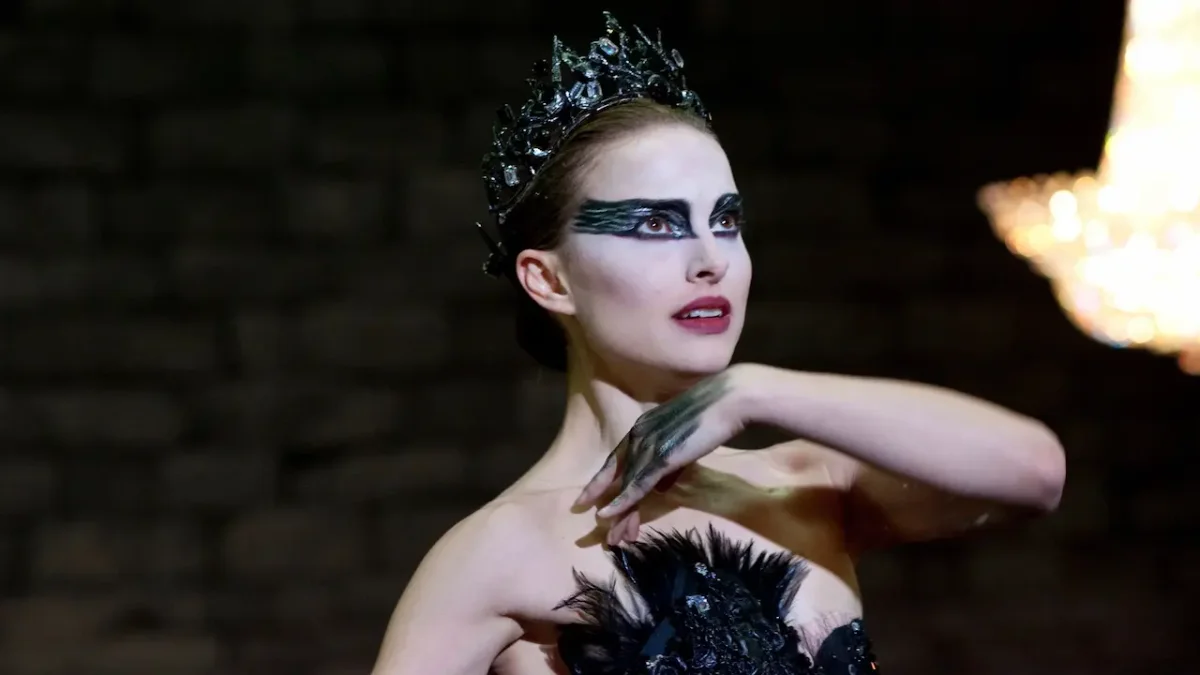
The psychological thriller Black Swan, directed by Darren Aronofsky in 2010, has often been categorized outside the horror genre. However, the film is steeped in unsettling elements that evoke fear and anxiety. Celebrated by critics since its release, Black Swan features Natalie Portman as a ballerina who becomes increasingly consumed by her quest for perfection in the role of the Swan Queen in Swan Lake. The audience witnesses her gradual descent into madness, a journey that culminated in Portman winning the Academy Award for Best Actress, while the film grossed over $300 million worldwide.
The film's success is not solely attributed to the stellar performances of Natalie Portman and co-star Mila Kunis; it also hinges on a screenplay that deftly navigates between genres, consistently surprising viewers. While it tells a classic story of professional rivalry in the arts, it intersperses numerous unsettling moments that keep the audience in a state of unease. The film's conclusion is jarringly consistent with the preceding events, and the horror elements do not detract from its dramatic integrity.
The Intensifying Horror as Nina's Mental State Declines

Black Swan expertly builds tension throughout its runtime, as the narrative progresses toward a breaking point marked by Nina's deteriorating mental health. From the outset, it is clear that she is not psychologically stable, evidenced by the scratches on her back and her tumultuous relationship with her mother. The true horror unfolds as Nina increasingly detaches from reality. The film features several genuinely terrifying moments, scenes that could easily belong to a traditional horror film.
One pivotal sequence occurs when Nina mistakenly identifies a passerby as herself, signaling the beginning of her descent into madness. By the film's climax, she is entirely disconnected from her surroundings. Just as actors or dancers immerse themselves in their roles, Nina's obsession with her character leads her to construct a reality that previously did not exist. As Black Swan progresses, the horror becomes more pronounced, with disturbing scenes mirroring Nina's complete dissociation from reality.
The Film's Exploration of Body Horror
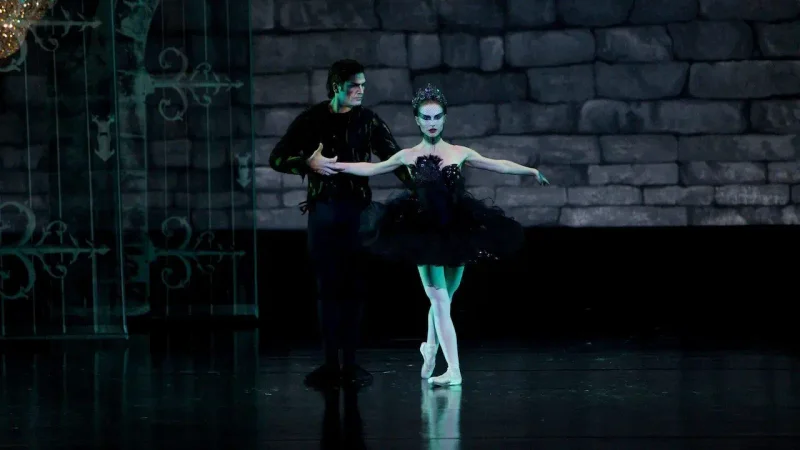
Black Swan stands out as it merges psychological thriller elements with horror while also delving into the grotesque subgenre of body horror. Although it does not reach the extremes found in David Cronenberg's works, known for their exploration of bodily horror, Darren Aronofsky employs body transformation and destruction to underscore the narrative's significance. Nina's back scratches and the gradual damage to her feet reflect the painful reality of classical ballet, yet the film gradually heightens its body horror aspects.
The scene featuring an ingrown toenail is enough to unsettle viewers, but as the film progresses into its second half, Nina's body begins to take on bird-like characteristics. The disintegration of the body is a cornerstone of horror, yet in Black Swan, body horror serves a dual purpose: it not only disturbs the audience but also symbolizes Nina's mental collapse. Despite being less explicit than in many traditional horror films, the terror in Black Swan remains profoundly impactful.