Laser Hair Removal: A Safe Solution for Unwanted Hair
Laser hair removal is increasingly recognized as a reliable solution for unwanted hair, offering a safe alternative to traditional methods while providing lasting results.
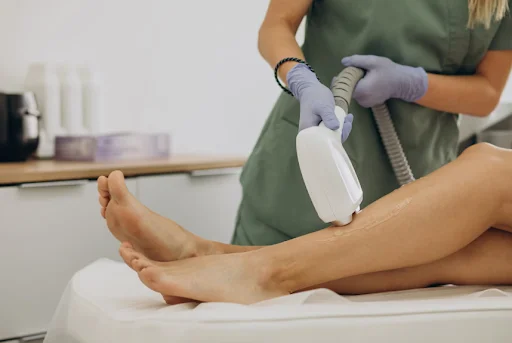
Laser hair removal has evolved beyond a seasonal treatment, gaining recognition as a reliable alternative to traditional methods such as shaving, waxing, or depilatory creams. This is particularly appealing for individuals who experience irritation, folliculitis, or discomfort in visible areas due to unwanted hair.
The effectiveness of laser hair removal is based on a straightforward principle: the laser targets the melanin in the hair, transmitting heat to the follicle. Therefore, selecting the appropriate machine is not sufficient on its own. Factors such as skin assessment, hair thickness, hair color, and the treatment area are crucial in calibrating the energy levels to minimize unnecessary risks.
Understanding How Laser Hair Removal Works
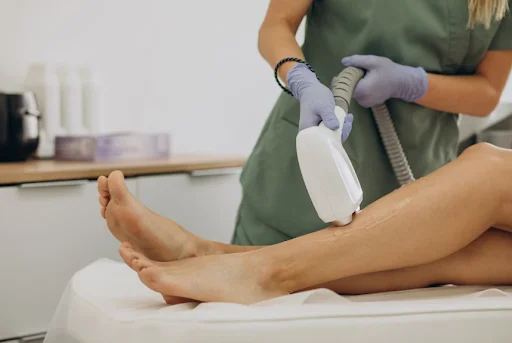
The procedure aims to damage the cells that promote hair growth in a controlled manner. For the laser to effectively eliminate hair, it must find enough pigment in the hair and differentiate it from the surrounding skin. This is why the contrast between light skin and dark hair typically yields better results.
The crucial aspect is not just the power of the laser, but the application of the appropriate energy for each individual case. A low intensity may prove ineffective, while excessive intensity can increase the risk of burns, discoloration, or irritation. Consequently, laser hair removal should begin with a preliminary assessment and may require a test on a small area when deemed necessary by the professional.
Hair does not grow uniformly; the laser is most effective when the follicle is in its active phase. This means that a single session cannot address all hair in a given area, necessitating spaced sessions and a review of the skin's response after each treatment.
Different Types of Lasers and Their Key Differences
The most common systems include Alexandrite laser, diode laser, and Nd:YAG laser. Some clinics also utilize intense pulsed light (IPL), which, while effective, is technically not a laser due to its broader and less specific light emission.
The Alexandrite laser is often associated with light skin and dark hair, making it suitable for treating larger areas. The diode laser is versatile and can adapt to various skin types, effectively targeting finer hair. The Nd:YAG laser penetrates deeper and is frequently used on darker skin tones, always with appropriate settings.
No single laser is optimal for all skin types and hair textures. The choice depends on factors such as skin type, hair thickness, the area being treated, skin sensitivity, and past issues like pigmentation or recent tanning. Sometimes, combining different systems can enhance treatment outcomes.
IPL can be beneficial in specific scenarios, but its lower specificity requires careful selection. Gray, very blonde, or red hair responds poorly due to reduced melanin content. In such cases, establishing realistic expectations before starting any protocol is advisable.
Selecting the Right Laser Based on Skin and Hair Type
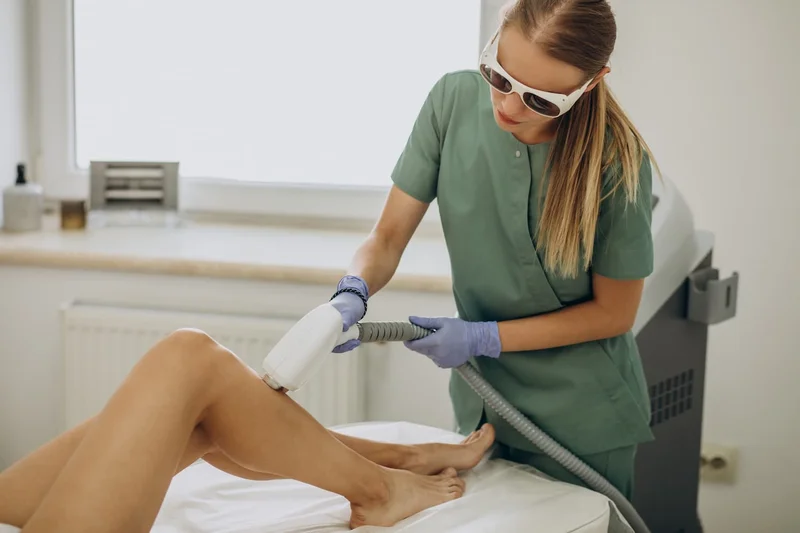
For light skin with dark, coarse hair, the Alexandrite laser generally yields positive results, provided there is no recent tanning. For medium skin tones or those prone to pigmentation, the diode laser is often a preferred choice due to its adaptability. The Nd:YAG laser is typically safer for darker skin because of its deeper penetration.
Hair thickness also plays a crucial role. Coarse, pigmented hair absorbs energy more effectively, while very fine hair may require more precise adjustments. Additionally, certain areas, especially facial or hormonally influenced regions, may carry a risk of paradoxical stimulation, necessitating cautious recommendations.
Facial hair removal requires special attention, as not all areas respond similarly. Regions like the upper lip, chin, and sideburns can be affected by hormonal factors. In these cases, the goal should be to avoid parameters that could irritate the skin or stimulate previously weak hair rather than to expedite the process.
Comparing Efficacy Against Traditional Methods
Shaving merely cuts hair at the surface and necessitates frequent repetition. Waxing removes hair but does not prevent the follicle from producing more. Depilatory creams dissolve the visible part of the hair using chemicals that may irritate sensitive skin.
Laser hair removal stands out because it targets the structure responsible for hair growth. As a result, it can achieve a lasting reduction in hair growth and alleviate associated issues such as ingrown hairs and follicle inflammation. However, it would be misleading to claim immediate and total hair removal.
A more realistic outcome is a gradual and stable reduction of the treated hair. Some finer hair may remain, and certain areas might require maintenance sessions, with results varying based on factors such as age, gender, hormones, and body location. Setting appropriate expectations helps to avoid frustration and allows for a more informed assessment of each session.
Areas Suitable for Treatment
Laser hair removal can be performed on legs, bikini area, underarms, arms, back, chest, abdomen, buttocks, and specific facial regions. It is also utilized in areas where hair can cause sports-related discomfort, chafing, or folliculitis. The suitability of the treatment depends on the skin condition of the area and the type of hair present.
For women, the most common areas are legs, bikini line, underarms, and face. Men typically seek treatment for their back, chest, abdomen, neck, or beard shaping. Male hair tends to be denser and more influenced by androgens, which may require additional sessions or touch-ups.
Not all areas should be treated using the same strategy. An underarm with coarse hair presents different challenges compared to a facial area with fine hair. Therefore, the professional must adjust the wavelength, energy, pulse duration, and cooling system according to the treatment goal.
Who Can Undergo Laser Hair Removal?
This treatment can be considered for adults and even adolescents when excessive hair causes notable discomfort, always under proper supervision. Age is not the sole criterion; hormonal maturity, the reason for consultation, hair type, and skin stability at the time of treatment are more significant factors.
Not all cases are suitable. Treatments should be avoided on tanned, irritated skin, or skin with active wounds or certain conditions. It is also essential to disclose any photosensitizing medications, history of pigmentation issues, pregnancy, skin diseases, or previous reactions to light treatments.
The preliminary consultation is a safety measure, not just a formality. It allows for reviewing contraindications, discussing potential outcomes, and determining whether the treatment is appropriate at that time or if it is better to wait. In laser hair removal, postponing a session may be wiser than proceeding with unprepared skin.
How Many Sessions Are Typically Required?
The number of sessions needed cannot be universally determined. Many individuals require several spaced treatments to achieve visible and sustained reduction, as the laser only works effectively on a portion of the hair in its active phase. The treatment area significantly influences the scheduling.
Underarms and bikini areas generally respond more quickly than hormonally influenced areas or broader regions like the back and chest. For men, hair density and hormonal factors may prolong the process. In women's facial areas, careful monitoring may be necessary to avoid unwanted stimulation.
Progress should be measured by reductions in hair density, thickness, and growth rate. If hair takes longer to regrow, appears finer, and there is less need for hair removal between sessions, the treatment is progressing well. Follow-up assessments help determine when to space out appointments or consider maintenance treatments.