
Pregnancy: Sitting for More Than 10 Hours a Day Increases Complication Risks
A recent scientific study reveals that prolonged sedentary behavior during pregnancy increases the risk of developing hypertension or gestational complications such as preeclampsia. Fortunately, there is no need to exhaust oneself at the gym to reverse this trend. Incorporating small, light movements throughout the day is sufficient to protect your health and that of your baby.
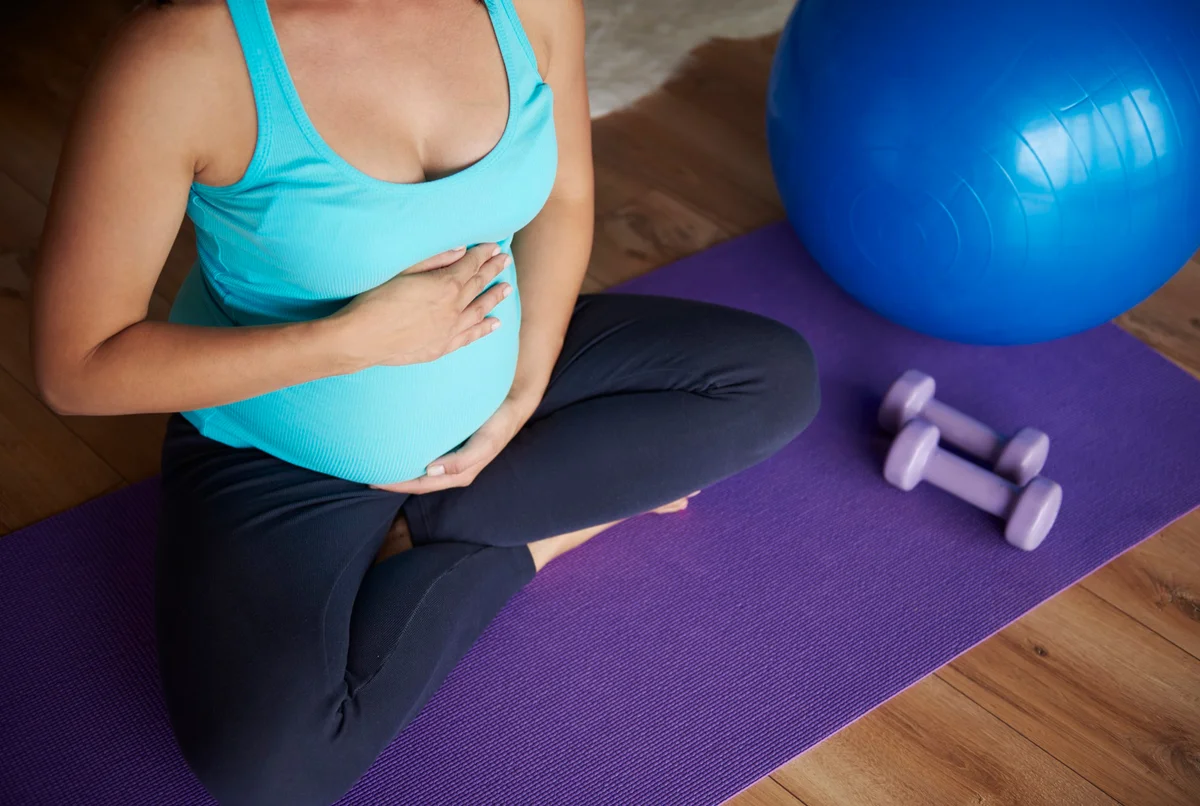
A recent scientific study reveals that prolonged sedentary behavior during pregnancy increases the risk of developing hypertension or gestational complications such as preeclampsia. Fortunately, there is no need to exhaust oneself at the gym to reverse this trend. Incorporating small, light movements throughout the day is sufficient to protect your health and that of your baby.
The Ten-Hour Sitting Threshold is Critical for Health
We are often told to rest during pregnancy, and that is perfectly reasonable. However, total and prolonged immobility can sometimes hide pitfalls for the body. An American cohort study called Pregnancy 24/7, conducted between 2021 and 2025 and published in May 2026 in the medical journal JAMA, closely monitored the daily lives of 470 pregnant women. Using activity sensors worn each trimester, the researchers analyzed the precise distribution of their days between sleep, sedentary behavior, and physical activity.
The conclusions of this research, also reported by the British Journal of Sports Medicine, highlight a key figure: spending ten hours or more per day sitting significantly increases the risk of developing pregnancy complications. Among these risks, hypertensive disorders such as gestational hypertension and preeclampsia are at the forefront.
Also read: Pregnancy: A "mystery" cell discovered, which could explain many complications
These conditions can have serious consequences, ranging from fetal growth restriction to premature birth. Excessive sedentary behavior also promotes the onset of gestational diabetes. Overall, the study shows that the most sedentary profiles double their risk of facing these difficulties compared to those who limit their sitting time to about seven hours.
Low-Intensity Activity Proves to Be Our Best Ally
Faced with such figures, one might panic and imagine needing to urgently enroll in intensive prenatal fitness classes. Quite the opposite. The data reveal that moderate or vigorous physical activity is not the main lever to protect cardiovascular health. In the ideal profile identified by scientists, the amount of intense exercise represents only seven small minutes per day.
The real shield lies in what medicine calls low-intensity physical activity. Pregnant women who accumulate about seven to eight hours of light movement per day see their overall risk of complications drop by half. Walking at one’s own pace, standing, or taking regular short walks profoundly alters physiology and protects the body from the harmful effects of venous stagnation. This is excellent news for the mental load of expectant mothers: the goal is not to sweat or seek performance, but simply to remain minimally active throughout the day.
A Few Small Adjustments Can Transform Daily Life
To apply these tips without guilt, it is enough to gently rethink your routine to break up long periods of immobility. People who work in an office or remotely are particularly exposed to this ten-hour threshold. Changing the game simply requires creating opportunities for movement.
Also read: Women who experience complications during pregnancy are more likely to suffer a stroke
For example, you can make it a habit to stand up and walk during phone calls or take a short five-minute break to stretch every two hours. Opting for a short walk after lunch, doing grocery shopping on foot, or engaging in light household tasks can help increase your step count without exhaustion. The important thing is to reduce long periods of immobility. Of course, adapting your daily life sometimes comes with logistical or environmental barriers. The secret is to take it step by step, without putting unnecessary pressure on yourself.
Listening to Your Body Takes Precedence Over All Statistics
Even though this scientific data outlines a clear trajectory, it should never become another guilt-inducing mandate. Every body experiences pregnancy differently, with its share of nausea, ligament pain, or intense fatigue. Moreover, these statistical results highlight associations rather than a direct and absolute causal link.
Most importantly, certain specific medical situations require strict rest or even total bed rest as ordered by healthcare professionals. Before changing your lifestyle habits or disrupting your routine, consulting your doctor or midwife remains essential.
You may also like