Water Beads: The Trendy Sensory Toy That Can Lead to Emergency Medical Situations
They invade sensory bins and our Instagram feeds with their vibrant colors and unique texture. However, behind the playful and ultra-satisfying appearance of water beads lies a serious risk of ingestion that is now alarming health authorities worldwide.
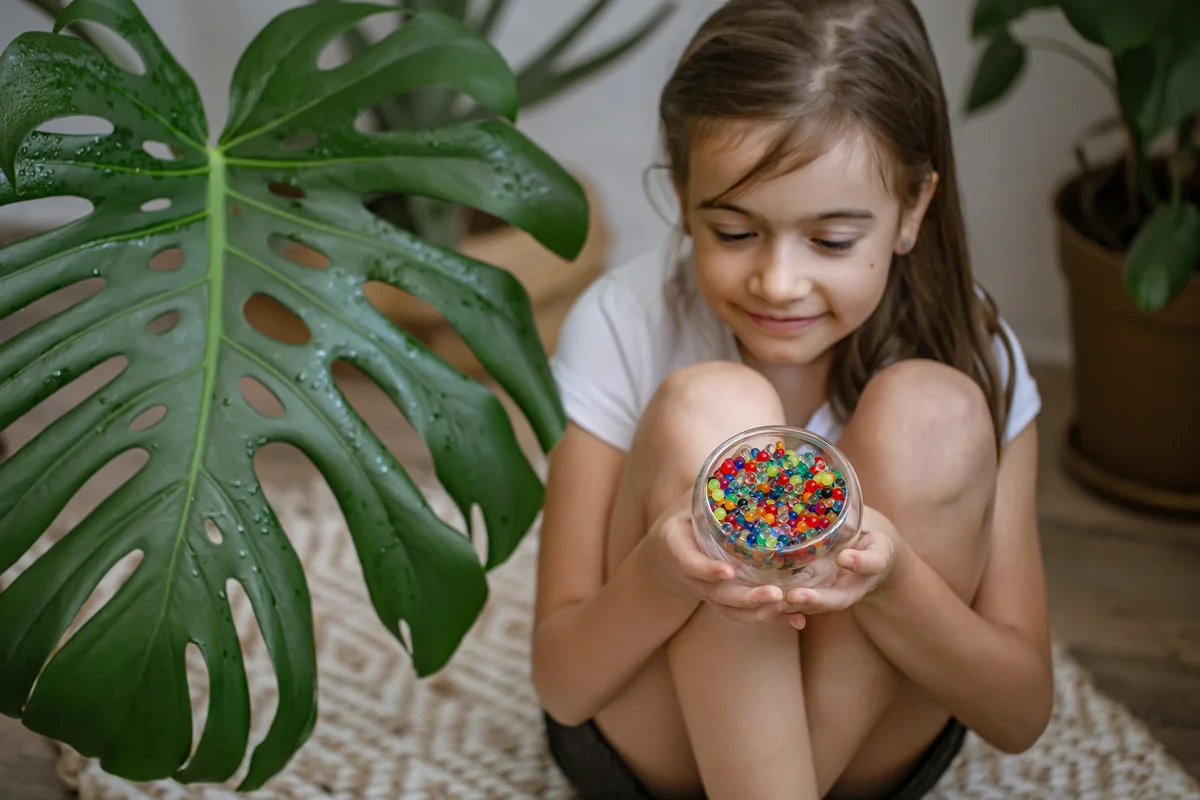
They invade sensory bins and our Instagram feeds with their vibrant colors and unique texture. However, behind the playful and ultra-satisfying appearance of water beads lies a serious risk of ingestion that is now alarming health authorities worldwide.
Water Beads Conceal a Rapid Expansion Risk
These small beads made of superabsorbent polymers have a fascinating yet terrifying property: they can absorb up to 400 times their weight in water. In some cases, they even reach 1,500 times their original volume after being exposed to a liquid. It’s easy to see why they are so appealing for play or decoration, but this growth capability is precisely what makes them so dangerous for young children.
Between 2019 and 2024, American poison control centers received over 20,000 calls regarding water bead ingestion in children under 6 years old. The figures show a staggering increase in incidents, with a rise of over 6,500% in reports over a four-year period.
The problem often lies in the appearance of the product. Translucent and brightly colored, these beads closely resemble gummy candies. For a two-year-old, the temptation to put them in their mouth is nearly irresistible. Unfortunately, once swallowed, the bead does not simply pass through the digestive system. It continues to swell by absorbing bodily fluids, which can lead to dramatic consequences.
Intestinal Obstruction is a Complex Medical Emergency
When a bead is ingested in its dry or partially hydrated state, it can increase in volume for several hours inside the body. This swelling then causes an intestinal obstruction, a blockage that prevents normal transit and may require major surgical intervention. Symptoms such as intense abdominal pain, vomiting, or severe dehydration should immediately alert parents. In the most serious situations, the lack of prompt medical attention can lead to life-threatening complications.
Beyond the digestive system, these objects can easily become lodged in the nostrils or ear canals. A bead that swells in the ear can cause a ruptured eardrum or hearing loss. Even more concerning, if a bead is inhaled, it can get stuck in the airways and trigger recurrent lung infections or chronic bronchitis. Medical professionals highlight a significant challenge: these beads are primarily composed of water and gel, making them nearly invisible on a standard X-ray of the neck or abdomen. This 'ghost' characteristic greatly complicates diagnosis for emergency responders who may not be aware that a foreign object is present.
Regulations Tighten to Protect Families
In response to the increasing number of accidents, public authorities are not remaining inactive. Since March 12, 2026, new safety standards have come into effect, particularly in the United States, to limit the maximum expansion size of these products and impose much clearer labeling.
In France, the General Directorate of Health and the DGCCRF closely monitor these items, which, although sometimes sold as toys, are responsible for massive recalls when they do not meet the general safety obligation.
Even products sold for gardening or decoration pose the same danger. If you have them at home, the golden rule is to store them in an airtight container, placed high and completely out of reach of children. If you use these beads for your plants, ensure that no residue is left on the floor or in an accessible dish. One accident is enough, and vigilance must be constant, especially if older siblings are handling these objects near younger ones.
What to Do in Case of Ingestion or Suspected Ingestion of Sensory Beads?
If you have the slightest doubt and think your child has ingested a bead, do not wait for symptoms to appear. The right reflex is to immediately call your local poison control center or 15. They will know how to guide you.
Edible Alternatives Offer the Same Fun
To maintain the joy of sensory play, you can easily find happiness with ingredients that we all have in our kitchens.
Cooked tapioca pearls are undoubtedly the best alternative. Once boiled, they become soft, gelatinous, and completely harmless if they end up in the stomach. You can even color them with vegetable juices or food coloring to recreate the rainbow of water beads. Overcooked spaghetti, hydrated chia seeds, or even cubes of gelatin provide varied and safe tactile experiences. For slightly older children, colored rice or dry beans remain safe options for handling and transferring without fear.
You may also like