Steven Spielberg Reveals Jurassic Park as a Spiritual Sequel to Jaws
Steven Spielberg reveals that Jurassic Park serves as a spiritual sequel to Jaws, offering a new perspective on the iconic dinosaur film.
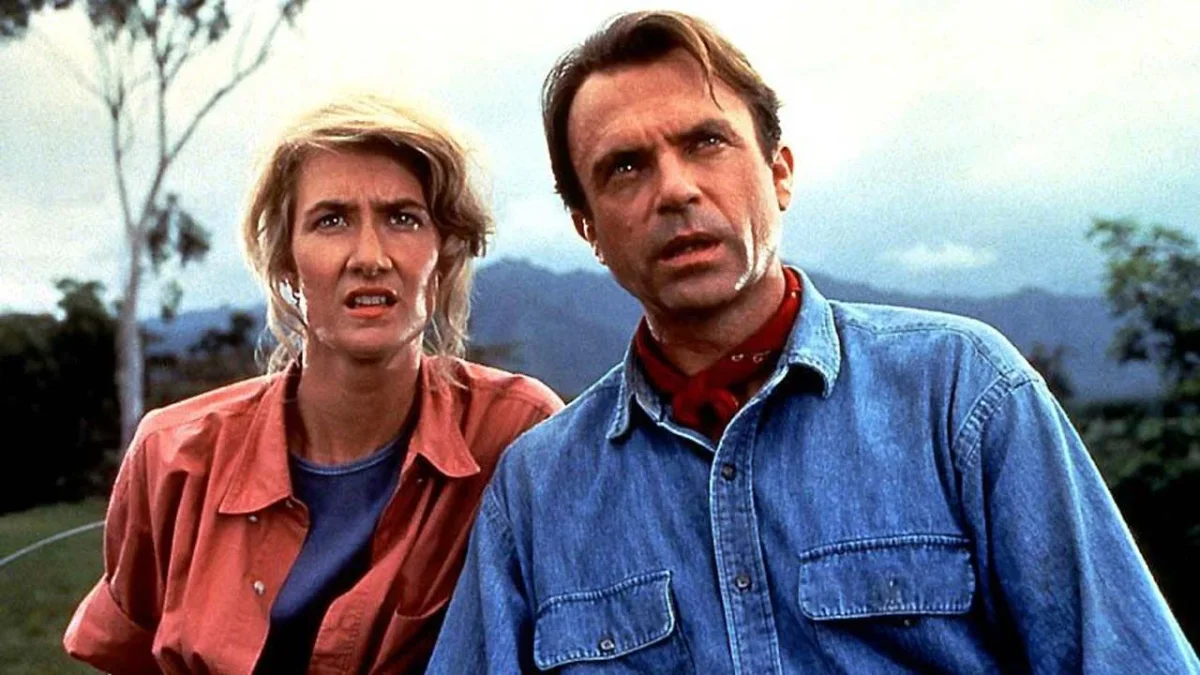
In a surprising revelation, Steven Spielberg has suggested that his iconic film Jurassic Park can be viewed as a hidden sequel to Jaws, one of the most celebrated blockbusters in cinematic history. This perspective allows audiences to appreciate the dinosaur adventure in a new light.
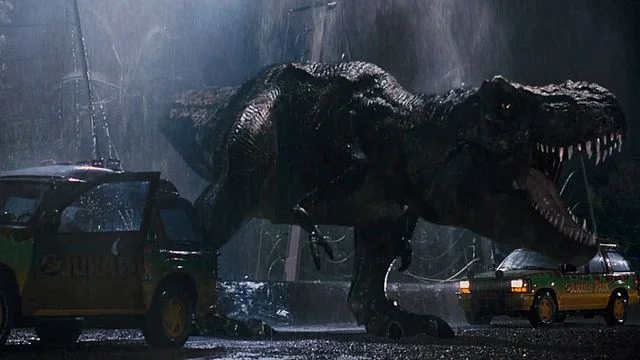
Before unleashing dinosaurs on Isla Nublar, Spielberg had already instilled fear in audiences with the terror of a menacing shark. According to the filmmaker, Jurassic Park serves as a spiritual continuation of Jaws.
At first glance, the connection between a giant shark wreaking havoc off the coast of Amity Island and genetically resurrected dinosaurs might seem tenuous. However, Spielberg believes the two films share a deeper bond than is immediately apparent.
When embarking on the adaptation of Jurassic Park, Spielberg had a clear intention: to recapture the thrills he had generated nearly twenty years earlier with Jaws.
Dinosaurs Replace the Shark
In a candid admission, Spielberg acknowledged this connection. In a 1994 interview with The New Yorker, shortly after the release of Jurassic Park, he stated, “I’m not ashamed to say that with Jurassic, I was simply trying to make a good sequel to Jaws. On land. It’s shameless – I can tell you that now.”
This statement offers a fresh interpretation of the 1993 blockbuster. While Jurassic Park is indeed adapted from Michael Crichton's novel, Spielberg also saw it as an opportunity to revisit a familiar narrative structure: placing ordinary characters in peril against terrifying predators, showcasing humanity's vulnerability.
Interestingly, Spielberg had never directed a true sequel to Jaws. Following the massive success of the original film in 1975, Universal was eager to extend the franchise. However, Spielberg opted not to return to the waters of Amity, allowing the series to continue without his involvement. It wasn't until Jurassic Park that he found a way to explore this theme again.
1993: A Landmark Year for Spielberg
The narrative of Jurassic Park is also intertwined with another significant project from Spielberg: Schindler's List. The filmmaker released both films in 1993, marking a remarkable year in his career with two drastically different yet impactful works.
On one hand, Jurassic Park became a global phenomenon, particularly noted for its groundbreaking visual effects that transformed the portrayal of digital creatures in cinema. The film grossed hundreds of millions during its initial run, and its various re-releases, including a special 20th-anniversary edition in 2013, pushed its total box office earnings past the billion-dollar mark.
Conversely, Schindler's List garnered critical acclaim and won multiple Oscars, including Best Picture and Best Director.
From Jaws to Jurassic Park
Despite their apparent differences, Jaws and Jurassic Park share a cinematic DNA. In both films, Spielberg expertly manipulates the fear of being hunted by a creature far more powerful than humanity, gradually shifting the narrative toward themes of survival.
This connection extends beyond Spielberg's intentions; he cleverly incorporated subtle references to his 1975 classic within Jurassic Park, including one nod that is easy to overlook.
Nearly two decades after he had kept audiences from swimming in the ocean, Spielberg found a new way to instill fear. With Jurassic Park, the threat could emerge from anywhere, eliminating the need for water.
Currently, Jaws is available on HBO Max and Disney+, while its 'sequel' Jurassic Park can be found on Netflix and Prime Video.