The New Wave of Spanish Cinema
In 1962, José María García Escudero reinvigorated Spanish cinema by establishing state support and the Official School of Cinema, giving rise to a new generation of filmmakers opposed to the Franco regime.
In 1962, José María García Escudero resumed his role as the head of the General Directorate of Cinema in Spain, ushering in a new era marked by increased state support and the establishment of the Official School of Cinema. This institution became a breeding ground for a generation of filmmakers, many of whom were leftist and opposed to the Franco dictatorship. Notable figures emerging from this period include Mario Camus, known for Young Sánchez (1964), Miguel Picazo with La tía Tula (1964), Francisco Reguerio who directed El buen amor (1963), Manuel Summers with Del rosa al amarillo (1963), and particularly Carlos Saura, who gained acclaim for La caza (1965).
Fernando Fernán Gómez, although not aligned with this movement, contributed significantly with his classic film El extraño viaje (1964). Meanwhile, Jaime de Armiñán transitioned from television to cinema, achieving massive box office success with films like Mi querida señorita (1971) and Jo, papá (1975).
From the so-called "Barcelona School," which was initially more experimental and cosmopolitan, prominent directors such as Vicente Aranda, Jaime Camino, and Gonzalo Suárez emerged, creating significant works mainly during the 1980s.
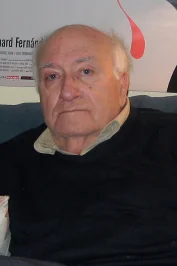
Vicente Aranda is particularly associated with the Barcelona School, known for its refined aesthetics that brought a fresh perspective to Spanish cinema. His film Fata Morgana (1966) stands out as one of his most representative works within this artistic movement.