The True Story Behind Hitchcock: The Birth of Psycho
Explore the true story behind the film Hitchcock, focusing on the making of Psycho and the relationship between Alfred Hitchcock and Alma Reville.
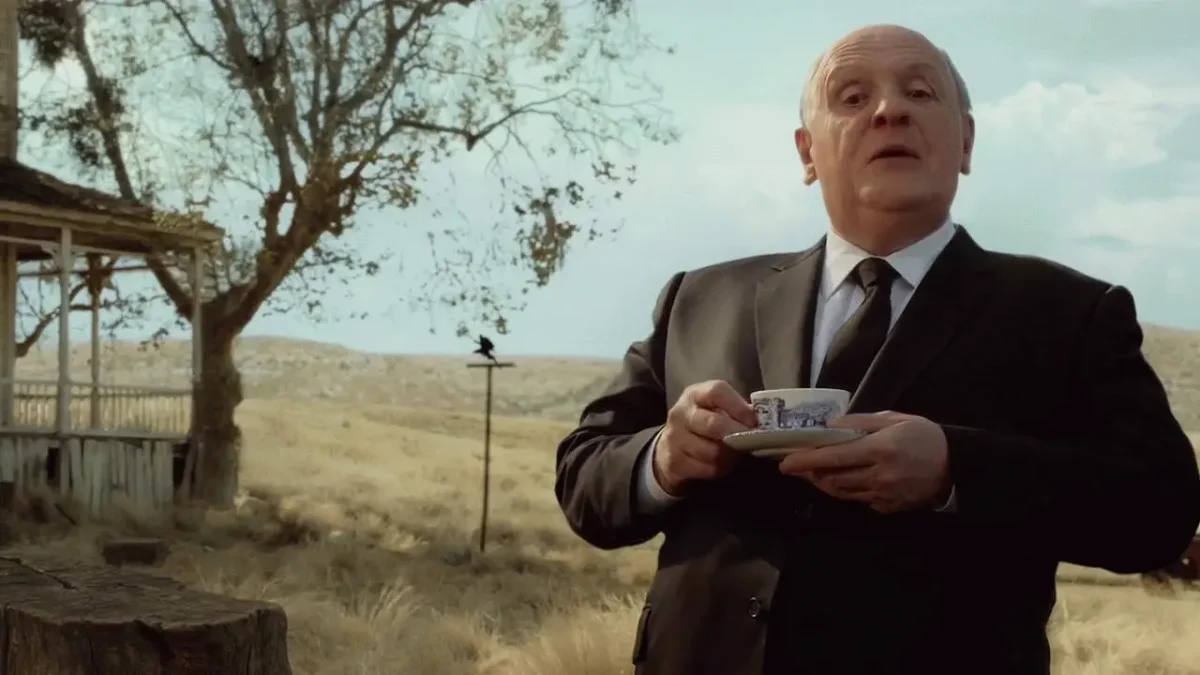
In 2012, director Sacha Gervasi brought the film Hitchcock to audiences, featuring Anthony Hopkins as the legendary filmmaker Alfred Hitchcock and Helen Mirren as his wife Alma Reville. Rather than covering the entirety of Hitchcock's illustrious career, the film focuses on a pivotal moment: the challenging production of Psycho, which would go on to become one of cinema's most influential films.
The presence of real-life characters and historically documented events prompts many viewers to wonder if Hitchcock is based on a true story. The answer is affirmative, but with an important caveat. While the film draws inspiration from actual events surrounding the making of Psycho, it adapts numerous episodes for narrative purposes. Some dynamics are true to life, while others are exaggerated or entirely fabricated to create a more intimate portrayal of the relationship between Alfred Hitchcock, his wife, and the creative process behind one of the 20th century's greatest masterpieces.
The Challenging Birth of Psycho: A Risky Project for Hollywood
By the late 1950s, Alfred Hitchcock was already one of the most renowned directors in the world. Following successes such as Vertigo, North by Northwest, and numerous episodes of Alfred Hitchcock Presents, he decided to adapt Psycho, a novel by Robert Bloch inspired by the crimes of serial killer Ed Gein. However, the concept did not sit well with Paramount Pictures, which deemed the material too violent and unsuitable for the elegant image Hitchcock had cultivated over the years.
This aspect of the film reflects reality quite accurately. The studio genuinely attempted to dissuade the project and refused to finance it under standard conditions. To move forward, Hitchcock relinquished his director's fee in favor of a percentage of the profits, retaining significant rights to the film. This decision turned out to be one of Hollywood's most brilliant financial moves, as Psycho became a monumental success, yielding profits far exceeding a standard salary.
However, the 2012 film introduces a dramatized element, depicting Hitchcock and Alma Reville as needing to mortgage their home to finance the production. According to historians and biographer Patrick McGilligan, this event never occurred. The director had considerable wealth and owned multiple properties. The financial difficulties illustrated in the film primarily serve to heighten narrative tension.
The Creative Partnership of Alfred Hitchcock and Alma Reville
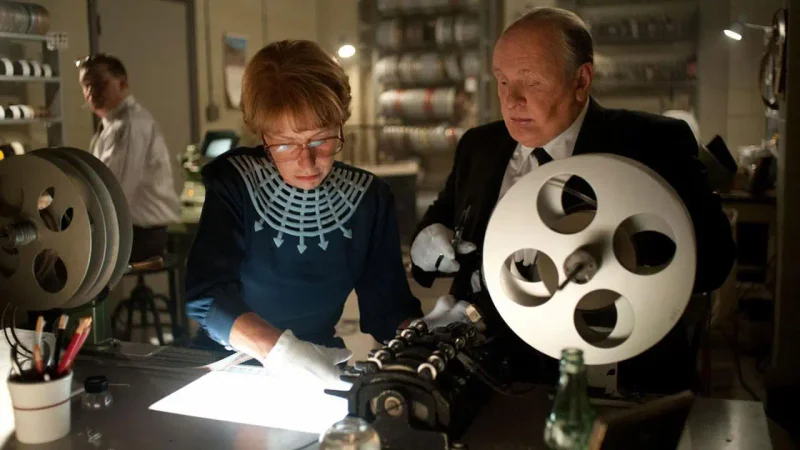
One of the most compelling aspects of Hitchcock is the depiction of the relationship between Alma Reville and Alfred Hitchcock, a figure often overshadowed despite her significant contributions to her husband's career. As an editor, screenwriter, and creative consultant, Alma collaborated with the director for decades, providing insights on scripts, performances, and film editing. Scholars who have studied their relationship agree that her role was crucial in shaping Hitchcock's body of work.
The film, however, opts to portray this collaboration through a marital crisis involving screenwriter Whitfield Cook. It suggests a romantic entanglement between Alma and Cook that jeopardizes their marriage and Hitchcock's emotional stability. Biographical studies present a different reality. While Alma and Cook did share a close relationship, likely of a romantic nature, it was from the late 1940s and had long since ended by the time Psycho was in production.
Moreover, the film’s representation of a marriage fraught with jealousy and conflict leans heavily towards fiction. According to Patrick McGilligan, the marriage between Alfred Hitchcock and Alma Reville was one of the most solid and enduring in classic Hollywood. While there were undoubtedly tensions and personality differences, there is no evidence of the profound crises depicted in the film. The screenwriters chose to transform a stable relationship into dramatic conflict, believing that a happy couple would provide less cinematic material.
Memorable Scenes vs. Historical Accuracy
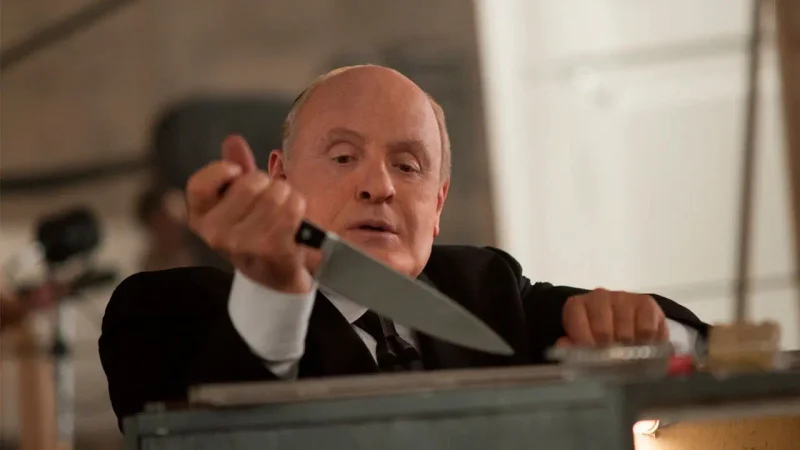
Among the film's most striking elements is Hitchcock's obsession with serial killer Ed Gein, who is portrayed as an imaginary interlocutor. This creative choice is entirely fictional. Although the novel Psycho was indeed inspired by Gein's crimes, there is no evidence that Hitchcock had a personal fascination with the case during the film's production. His obsessions were more directed towards other notorious British murderers, such as Jack the Ripper.
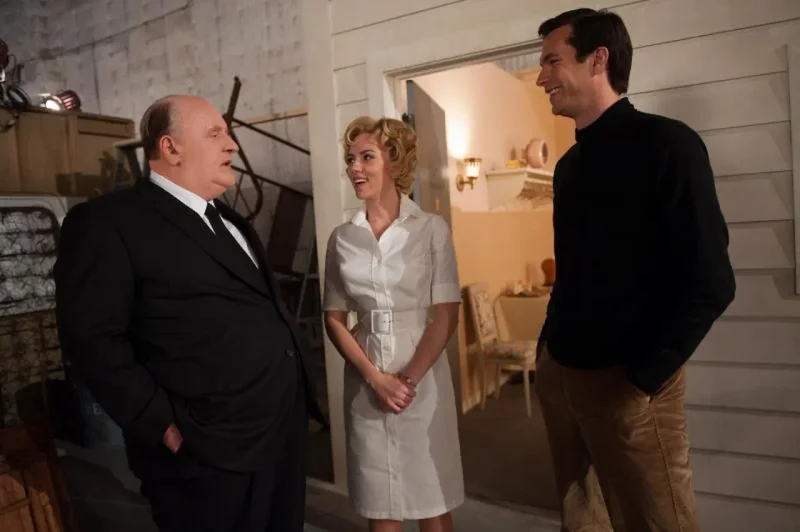
The sequences in which Alma Reville directs scenes of Psycho while her husband is bedridden, as well as the incident where Hitchcock deliberately terrifies Janet Leigh (played by Scarlett Johansson) to elicit a more convincing performance in the iconic shower scene, are also fabrications. None of these events are corroborated by testimonies from those who worked on set or in major biographies about the director.
In contrast, the film accurately depicts the confrontation with censorship authorities. Psycho faced significant resistance from the Production Code, which deemed certain sequences excessively explicit for the time. Thanks to his experience and negotiation skills, Hitchcock managed to retain most of the controversial scenes. Equally authentic is the revolutionary promotional strategy that barred audiences from entering the theater once the film had begun, contributing to Psycho's unprecedented status as a cinematic event.
Blending Fact and Fiction in Hitchcock
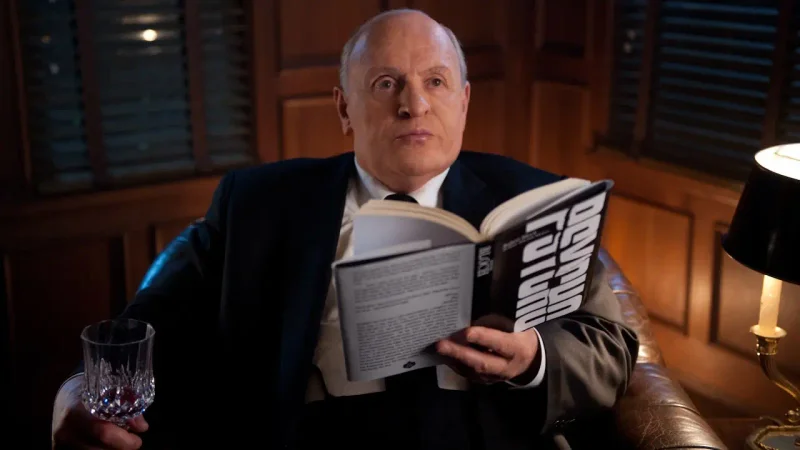
As a biopic, Hitchcock continuously alternates between documented reality and cinematic invention. The main facts are genuine: the challenging production of Psycho, the studio's opposition, Alma Reville's creative contributions, the tensions with censorship, and the film's immense success all belong to cinema history. Surrounding these elements are dialogues, personal conflicts, and situations primarily designed to add rhythm to the narrative.
This choice does not necessarily constitute a limitation. Director Sacha Gervasi does not create a documentary but rather an artwork that attempts to portray the human side of a figure who has become a myth in popular culture. Patrick McGilligan, author of one of the most authoritative biographies on Alfred Hitchcock, has noted that many of the film's most spectacular scenes are pure invention, while acknowledging that the English director would likely have appreciated a film that further fueled his legend.
In conclusion, those questioning whether Hitchcock is based on a true story can respond affirmatively, provided they distinguish historical facts from their cinematic representation. The film reconstructs a real moment in Alfred Hitchcock's career but opts to transform the narrative of Psycho's birth into a tale about creative genius, marriage, and the price of realizing a work destined to forever change the history of cinema.