"They Decided to Part Ways with Me": The Story Behind One of the Greatest War Films Ever Made
Francis Ford Coppola was removed from the project of 'Patton' due to a script deemed too unconventional, yet his ideas became pivotal to the film's success.
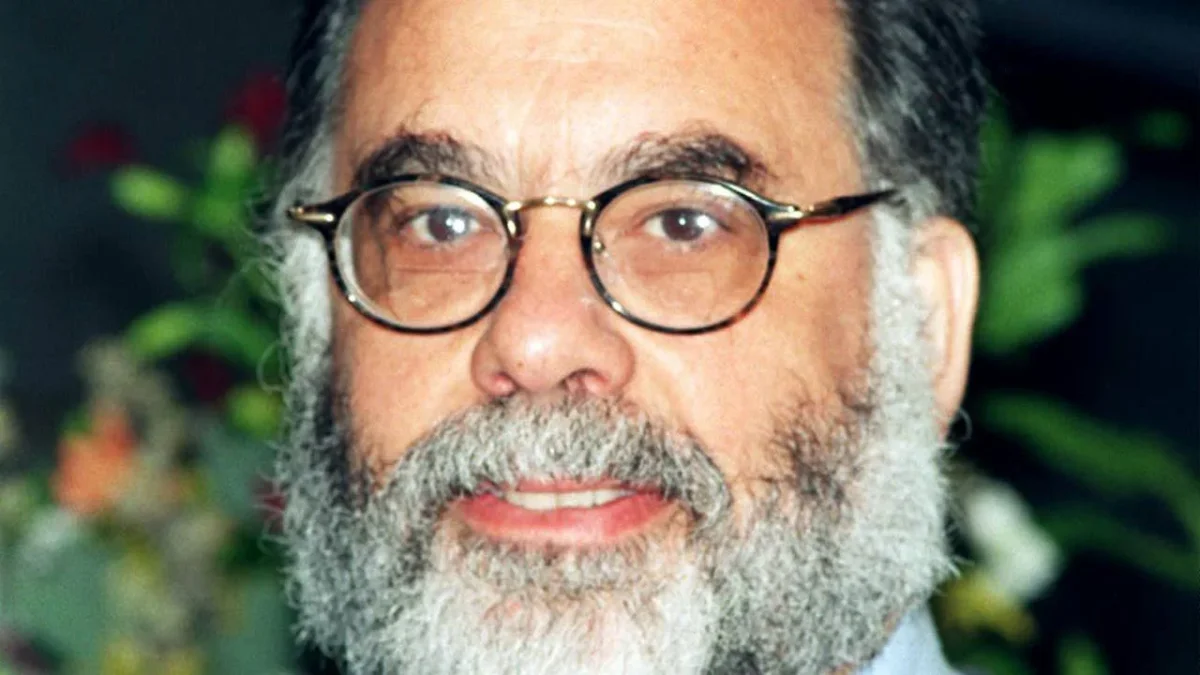
Francis Ford Coppola's experience with Patton is a fascinating tale of artistic vision clashing with studio expectations. Initially dismissed from the project due to his unconventional screenplay, Coppola's contributions would ultimately shape the film's legacy, with one of his ideas transforming into a legendary cinematic moment.
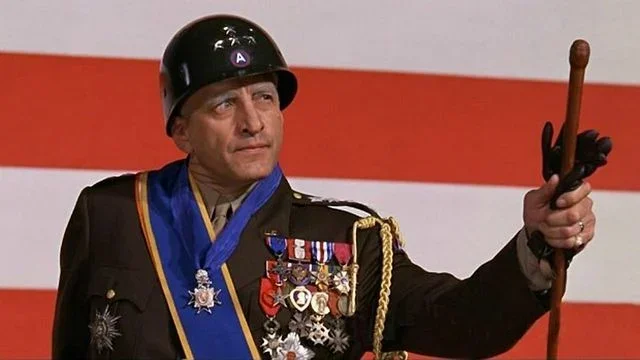
Released in 1970 and directed by Franklin J. Schaffner, Patton chronicles the life of General George S. Patton during World War II. Despite its acclaim, the film's backstory reveals the struggles of a young Coppola, who was removed from the project just as his bold ideas were about to make their mark.
A Legendary Opening
The film's opening sequence is unforgettable. George C. Scott, dressed in military uniform, delivers a powerful speech against the backdrop of a massive American flag. This monologue not only sets the tone for the character but also establishes the film's overarching themes.
"Americans love winners. Losers, we don’t want them. Americans fight to win at any cost, and we will never pay too high a price to remain free men. Whatever happens. That’s why Americans have never lost a war. And that’s why they never will. Simply because the idea of losing is intolerable to Americans... I really pity those sons of bitches we’re going to fight. It’s true, I find it sad! We’re not just going to shoot them, we’re going to rip their guts out, and you can use them to grease the treads of your tanks! We need to show those bastards what we’re made of! No mercy!"
This iconic moment, integral to the film's impact, can be traced back to Coppola's original script. However, his involvement with the production ended abruptly when studio executives deemed his work too unconventional.
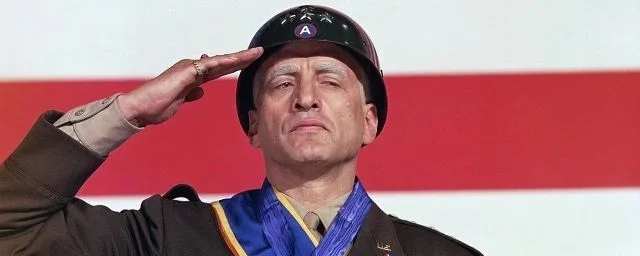 20th Century Fox
Coppola's Script Faces Rejection
At the time, Coppola was not yet the powerhouse he would soon become in Hollywood. Although Burt Lancaster was briefly considered to portray Patton, the Fox studio expressed reservations about Coppola's screenplay, particularly the opening sequence, which they found to be "too strange." This significant disagreement led to Coppola's exit from the project.
However, the narrative took a surprising turn. When Patton was finally released years later, much of Coppola's script remained intact, including the very opening scene that had initially cost him his place in the film.
Critical Acclaim and Oscars
The film's subsequent success is now part of cinematic history. Directed by Franklin J. Schaffner, who had previously helmed Planet of the Apes, Scott's portrayal of the complex general became one of his most memorable performances. Patton received widespread critical acclaim, winning seven Oscars, including Best Picture, Best Director, and Best Original Screenplay, which was awarded to Coppola and co-writer Edmund H. North.
Scott, however, famously declined his Oscar for Best Actor, refusing to participate in a competitive awards system. In a noteworthy gesture, producer Frank McCarthy accepted the award on Scott's behalf, only to return it to the Academy the next day, honoring Scott's wishes. This incident further adds to the film's legendary status, showcasing the unique personalities involved in its creation.
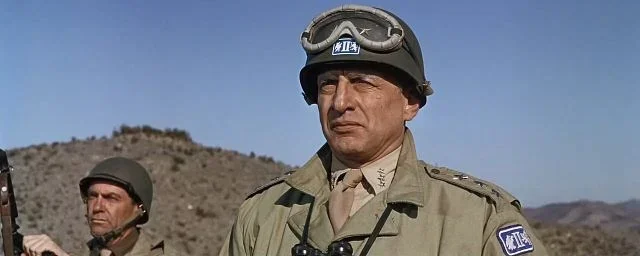 20th Century Fox
A Bittersweet Victory for Coppola
Coppola's journey with Patton is marked by irony. Dismissed for his unconventional choices, he ultimately saw his work celebrated and awarded, contributing to one of the most famous sequences in war cinema. Just a few years later, Coppola would rise to prominence with The Godfather, cementing his status as a key figure in the New Hollywood movement.
Today, Patton remains a cornerstone of war films, distinguished by Schaffner's direction, Scott's performance, and a screenplay that tells a compelling story of its own.
You can find Patton streaming on Disney+.
Additionally, check out an interview featuring Coppola and George C. Scott below: