
Une affaire turque: A Deep Dive into Identity and Culture
Hüseyin Aydin Gürsoy's debut film, Une affaire turque, explores the struggles of cultural identity through the character of Mustafa Duman, played by Lionel Erdogan, highlighting the challenges of balancing two worlds.
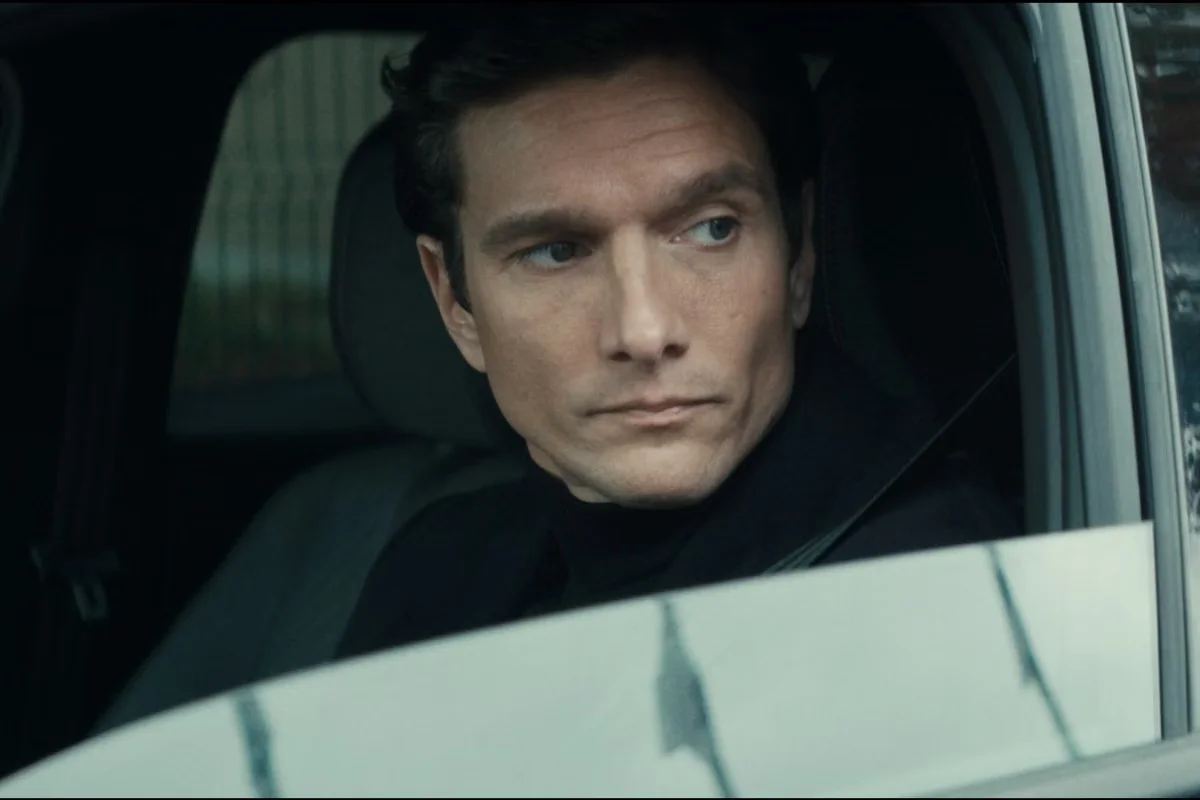
In his debut feature film, Une affaire turque, director Hüseyin Aydin Gürsoy explores the complex dynamics of cultural identity through the character of Mustafa Duman, portrayed by Lionel Erdogan. The narrative reveals the sacrifices one must make when straddling two worlds, as seen through the eyes of a young man who adopts a French name, Mathieu, to better assimilate into his professional environment.
Mathieu's journey reflects the intense pressure he faces to succeed, which is compounded by his dual cultural heritage. While he earns the trust of his boss, Claude Delval (Charles Berling), who promises him a partnership, he remains relentlessly dedicated to his work. The film poignantly illustrates the weight of expectations on Mathieu, who must navigate the demands of both his family and his career while trying to suppress his origins.
The film captures the "mental burden of the Turkish immigrant, a feeling of injustice and effort that goes unnoticed by others," a sentiment shared by both Gürsoy and Erdogan, who are connected to the Turkish diaspora. Gürsoy emphasizes the importance of casting an actor with Turkish roots to lend authenticity to the character, making Erdogan an ideal choice. Until now, Erdogan had not drawn on his heritage in previous roles, such as in Engrenages and L’heureuse élue. He acknowledges the deep resonance he found in portraying this character, allowing him to connect with his cultural background more intimately.
Une affaire turque also sheds light on the moral dilemmas faced by Mathieu as he becomes entangled in the life of Abdullah Ozkan (Metehan Aygün), a young Turkish man in a precarious situation. The film meticulously charts Mathieu’s downward spiral, illustrating how his poor decisions and questionable choices lead to his undoing.
Gürsoy opts to focus less on the dramatic sources of conflict and more on the character's internal struggles. By keeping the camera closely aligned with Mathieu, he effectively conveys the young man's emotional journey, fostering empathy from the audience. Erdogan's commitment to authenticity is evident in his preparation, as he engaged with fellow actors during casting to refine his portrayal.
The film also features poignant performances from family members, including Sedef Ecer as Hatice, Mathieu's mother, and Hatice Özer as his sister, Serap, who add layers of emotional depth to the narrative.
In bringing the story of the Turkish community to the screen for the first time, Gürsoy and co-writer Ludovic du Clary aim to "universalize a narrative that traverses immigration and social mobility." Viewers are invited to connect with the rich traditions depicted in the film, such as Mathieu's actions in the kitchen and at the mosque, which resonate with the "nostalgia inherent to all immigrants," as noted by Erdogan.

![Upcoming Episode of 'Ici tout commence': What to Expect on July 28, 2026 [SPOILERS]](https://glowculturehub.com/cdn/images/ed4be09127bac48e6cdfdef85066b1c3/w1200.webp)