Comparing L'Odissea: The 1997 Miniseries vs. Christopher Nolan's 2026 Film
A detailed comparison of the 1997 miniseries L'Odissea and Christopher Nolan's 2026 film adaptation, highlighting their narrative structures, character interpretations, and thematic differences.
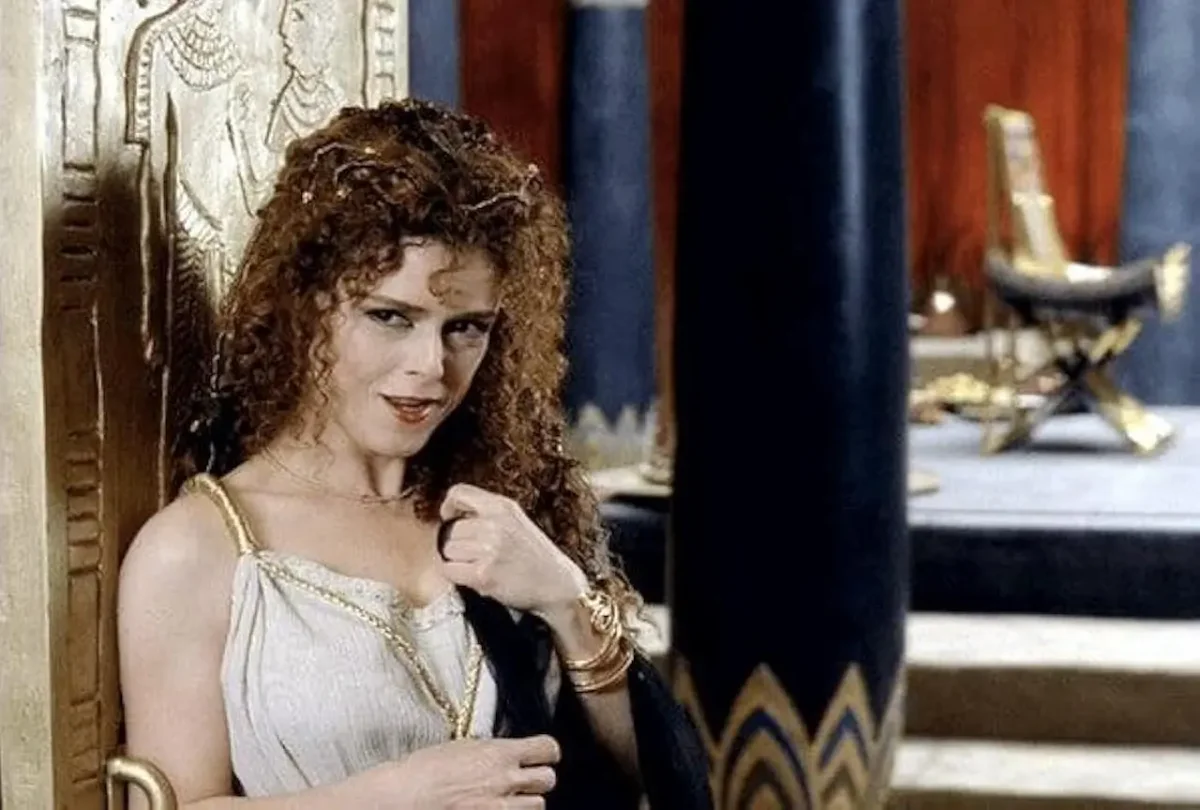
When discussing adaptations of Homer's Odyssey, one cannot overlook the comparison between the 1997 television miniseries L'Odissea and Odissea, directed by Christopher Nolan and released in 2026. Both productions narrate the same tale, featuring the same characters, and exhibit a remarkable fidelity to the original poem. However, they diverge significantly in their approaches to depicting Odysseus's journey and its implications.
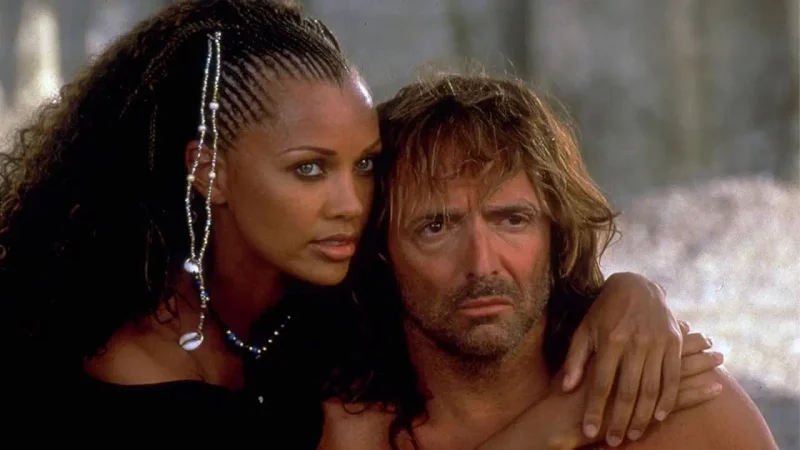
The 1997 miniseries, produced by Francis Ford Coppola for NBC, was an ambitious project for its time, showcasing an international cast that included Armand Assante, Greta Scacchi, Isabella Rossellini, and Vanessa Williams. In contrast, Nolan's film aims to use the Homeric text as a foundation for exploring the aftermath of war, trauma, and the burden of memory. This shift in perspective highlights the key differences between the two adaptations, especially as the 1997 miniseries makes its television return.
Narrative Structure: Linear vs. Fragmented
One of the most striking differences lies in the narrative structure. L'Odissea from 1997 follows a predominantly linear path, recounting events in the order they occur in the poem. Viewers journey with Odysseus from the fall of Troy to his return to Ithaca without significant temporal jumps, adhering to a classic storytelling method that emphasizes clarity.
Conversely, Christopher Nolan opts for a fragmented narrative. The journey home for Odysseus is continually interrupted by flashbacks to the Trojan War, visions, and moments that gradually reconstruct his past. This non-linear storytelling is not merely a stylistic choice but serves as a means to convey the lingering effects of conflict on the protagonist's psyche long after the war has ended.
This choice fundamentally alters the perception of the journey. In the 1997 miniseries, the return is primarily depicted as a grand adventure filled with monsters, deities, and challenges. In Nolan's film, however, each stage of the journey also represents a psychological wound, transforming Odysseus's odyssey into a profound meditation on memory and guilt. The result is a narrative that is less about traditional adventure and more about introspection.
Character Development: A Shift in Focus
While both adaptations remain true to the essential events of the epic, Christopher Nolan alters the characterization of several key figures. The most notable change is seen in Odysseus, portrayed by Matt Damon, who is depicted as far more contemplative than Armand Assante's version. In the 1997 miniseries, the hero often embodies the classic archetype: confident, defiant towards the gods, and eager to prove his worth.
In the 2026 film, however, Odysseus is shown as a man scarred by war. Conversations with Calypso, played by Charlize Theron, reveal a tormented character, acutely aware of the atrocities committed during the Trojan siege and unable to escape the weight of his decisions.
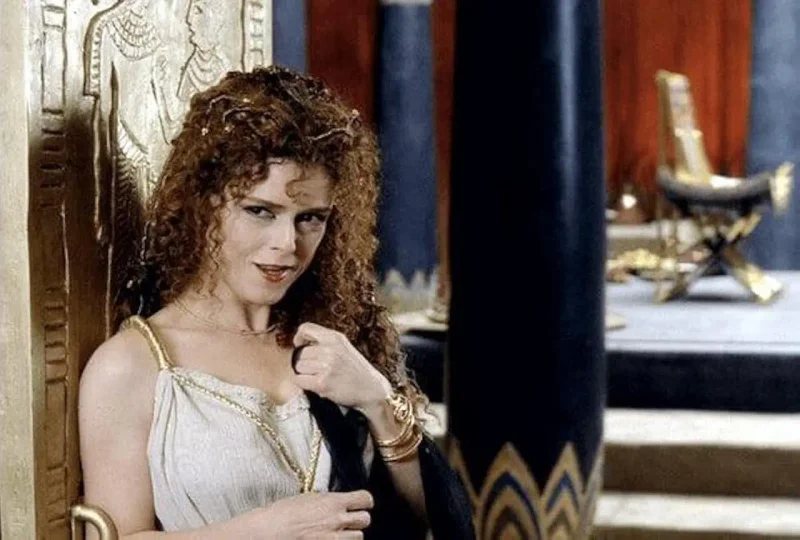
The character of Penelope also undergoes significant transformation. Greta Scacchi's version emphasizes loyalty and the ability to hold the kingdom together during her husband’s absence, while Anne Hathaway portrays a woman who is more politically astute, capable of manipulating suitors with greater awareness and using her waiting as a survival strategy.
The treatment of the gods also differs markedly. The miniseries devotes considerable time to direct dialogues between humans and deities, frequently showcasing Athena, Poseidon, Hermes, and other Olympian figures intervening in the narrative. In contrast, Nolan minimizes this aspect, allowing the supernatural elements to remain more ambiguous and focusing instead on the human consequences of divine actions.
Reinterpretation of Key Sequences
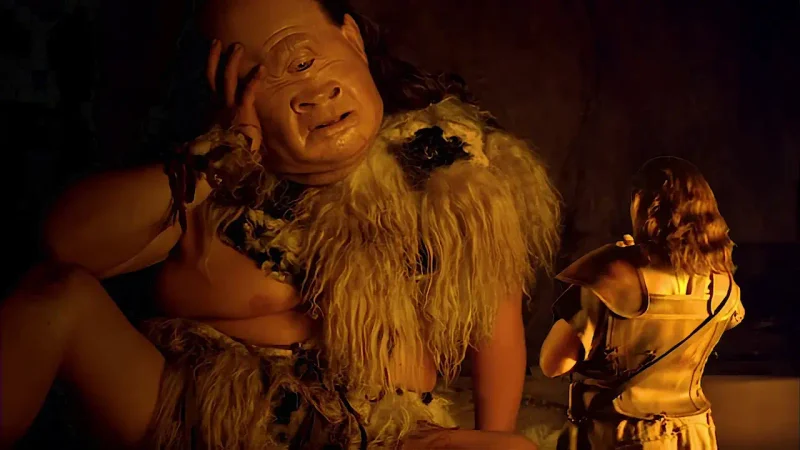
Many iconic moments from the Odyssey are present in both adaptations, yet their treatment varies significantly. The encounter with the Cyclops, for example, retains an adventurous and even humorous tone in the miniseries, with Odysseus often joking during the confrontation. Nolan's film, however, strips away much of this humor, turning the scene into a continuous moment of tension.
Similarly, the portrayal of Circe differs greatly. In 1997, the transformation of Odysseus's companions into animals is handled quite simply, reflecting the production limitations of the time. In the 2026 film, Samantha Norton's goddess is imbued with much greater emotional depth, with the scene becoming a portrait of a tragic figure filled with pain and disillusionment.
The final return to Ithaca also highlights the contrasting narrative philosophies. In the miniseries, Odysseus quickly regains his appearance through a near-magical intervention, while Nolan constructs a prolonged game of identity and deception. The protagonist arrives disguised as a beggar, gradually convincing the island's inhabitants that he is merely a man who knows the fate of their king, making the eventual revelation much more gradual and dramatically effective.
Even seemingly minor elements take on different meanings. The sexuality present in the 1997 production is largely absent in the 2026 film, which opts to suggest rather than show. Conversely, violence is not depicted for shock value but instead serves to underscore the moral consequences of war.
Visual Style and Character Dynamics
Visually, the two adaptations exhibit surprising differences. Despite operating on a significantly lower budget, the 1997 miniseries presents costumes that, in many cases, appear closer to historical reconstructions of ancient Greece. Nolan's film, on the other hand, embraces a more liberated aesthetic, less concerned with archaeological accuracy and more focused on evoking an epic and universal dimension.
The behavior of male characters also reflects the different production eras. The 1990s version showcases impulsive warriors driven by instincts and lacking self-reflection. In the 2026 film, the soldiers returning from Troy are portrayed as much quieter, more disciplined, and internally tormented, making the gradual revelation of the crimes committed during the war all the more shocking.
Even secondary characters see a shift in narrative distribution. The suitors of Penelope are allocated different roles, with characters in the miniseries serving functions distinct from those in Nolan's film. Antinous, played by Robert Pattinson, emerges as one of the most memorable antagonists in the modern adaptation, carrying significantly more dramatic weight than his television counterpart.
The overall tone of the narrative shifts accordingly. The miniseries leans towards the enjoyment of mythological adventure, while the 2026 film continuously seeks to connect the ancient world with contemporary issues, transforming Odysseus's journey into a reflection on the fate of civilizations and the scars left by war.
Cultural Context and Interpretation
The differences between the two works stem not from a desire to alter Homer's text but rather from the distinct cultural contexts in which they were created. The 1997 miniseries aimed primarily to adapt the poem as faithfully as possible, respecting its structure and openly showcasing the fantastical elements that characterize the tale.
In contrast, Christopher Nolan uses the same story to explore themes that have permeated his cinema for years. Following his examination of the moral responsibilities of science in Oppenheimer, the director delves into the consequences of war and how an individual copes with the actions taken for survival in Odissea. As a result, the gods become less central, while trauma, memory, and guilt take on greater significance.
Ultimately, labeling one version as more faithful than the other would be reductive. The 1997 miniseries adheres more closely to the narrative structure of the poem, retaining many episodes that Nolan condenses or reinterprets. Conversely, the 2026 film remains true to the spirit of the work, transforming it into a modern reflection on war and identity. Both interpretations of this classic demonstrate how Odysseus's journey continues to resonate with contemporary audiences.
You may also like