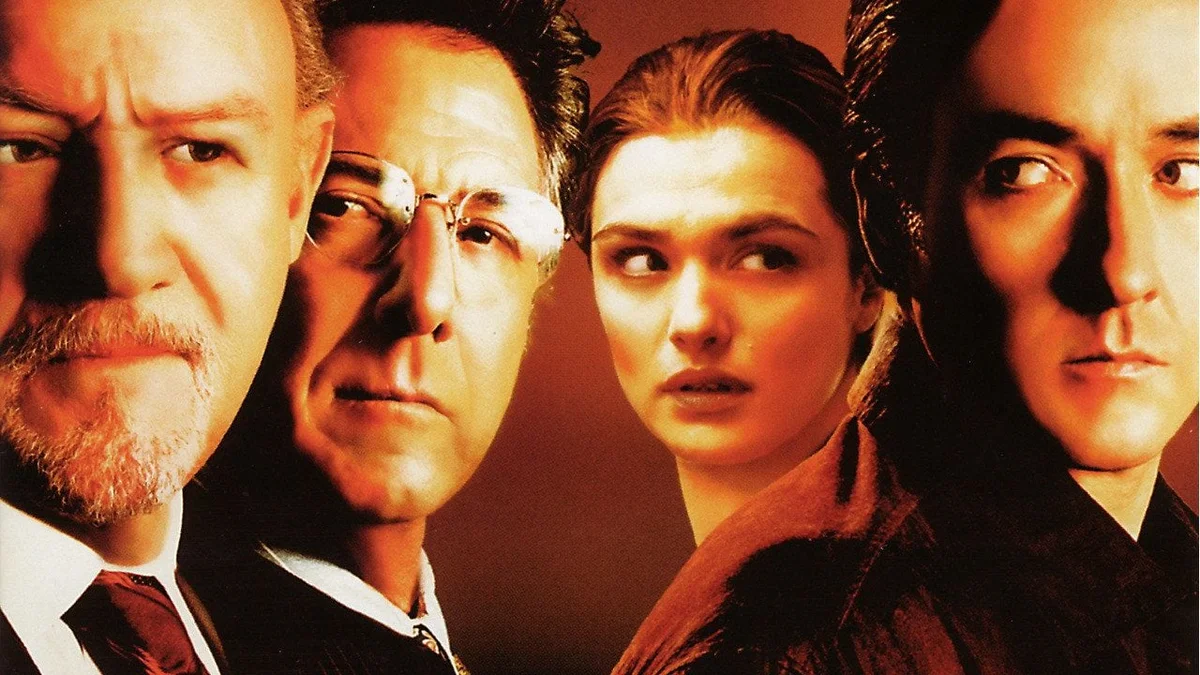
Derailed - A Deep Dive into the Film's Conclusion
Explore the intricate finale of Derailed, a psychological thriller that delves into betrayal, morality, and the transformation of its protagonist, Charles Schine. Discover how choices redefine identity in this gripping narrative.
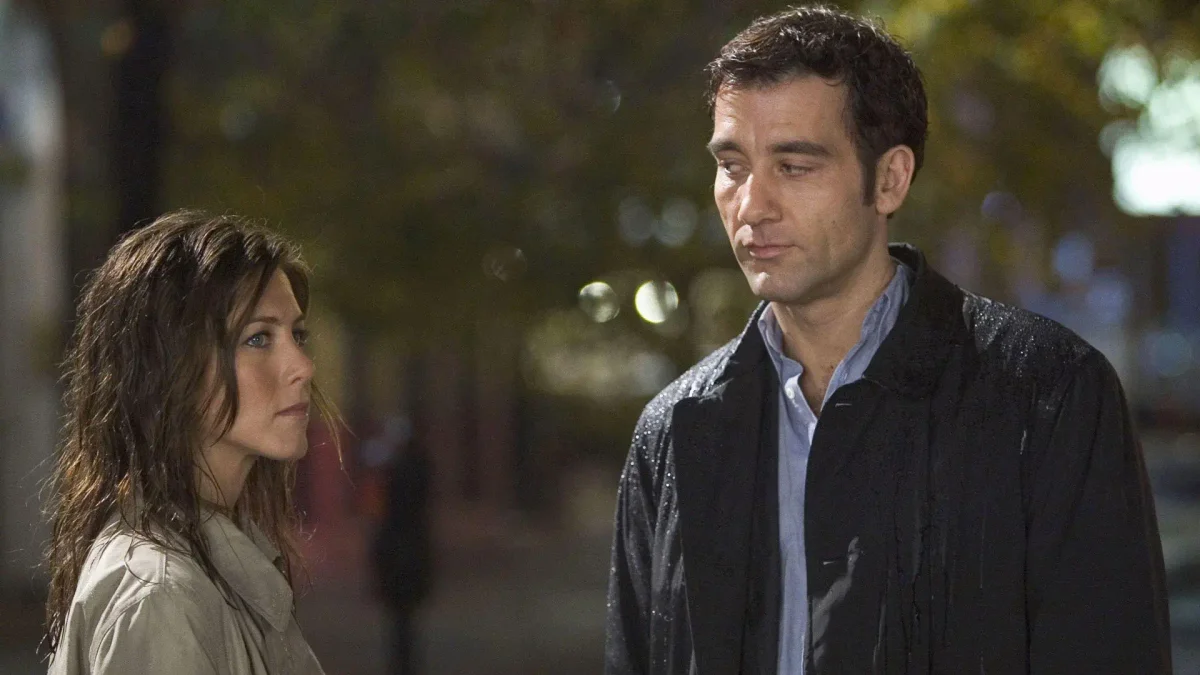
Released in 2005, Derailed emerges as a psychological thriller centered on a marital betrayal that spirals into a nightmare. Directed by Mikael Håfström and adapted from James Siegel's novel Derailed, the film features Clive Owen and Jennifer Aniston in a narrative that intricately weaves desire, guilt, and fear into a violent cycle. What begins as a tale of infidelity quickly evolves into a more complex criminal scheme.
The film's conclusion marks a pivotal shift in perspective. The focus transitions from Charles Schine's betrayal to the moral repercussions of his choices. The ending illustrates how each compromise made by the protagonist fundamentally alters his identity, transforming him into a person vastly different from who he was at the narrative's outset. This evolution imbues the finale with a greater significance beyond merely showcasing the defeat of criminals.
Mikael Håfström's Thrilling Narrative of a Personal Mistake
Derailed fits within the tradition of moral thrillers that gained prominence from the late 1990s to the early 2000s. The story begins with an ordinary premise: an average man, a seemingly happy family, and an impulsive decision that jeopardizes their stability. From this point, the narrative gradually eliminates any chance of retreat.
Mikael Håfström builds tension not through grand chases or dramatic twists, but rather through the accumulation of blackmail, lies, and increasingly desperate decisions. In this context, Clive Owen portrays a deeply vulnerable protagonist, diverging from the traditional heroic archetype of thrillers, while Jennifer Aniston leverages her established image from romantic comedies to enhance the shocking revelation of her character's true nature.
The film also reflects a prevalent theme in American cinema of that era: the fragility of the middle class. Charles enjoys a stable job and a loving family, yet a moment of weakness threatens to collapse his entire emotional and financial world. This emotional incident becomes the gateway into a criminal system that exploits the vulnerabilities of ordinary people.
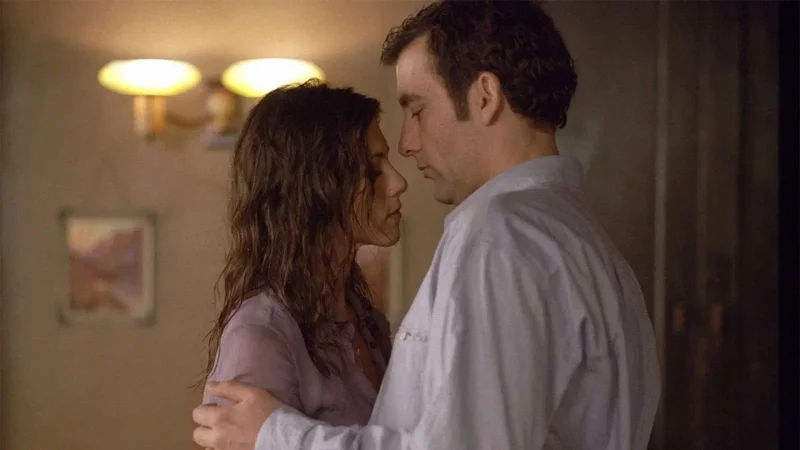
The Final Act: Charles's Path to Revenge
In the film's climax, Charles discovers that the woman he knew as Lucinda is not who she claims to be. Her real name is Jane, and she has been collaborating with Philippe LaRoche and his accomplice Dexter to orchestrate an elaborate scam. By seducing married men and placing them in compromising situations, they enable their gang to blackmail them, preying on their fear of scandal.
This revelation dramatically alters the interpretation of previous events. The attack in the hotel, the staged assault, the demands for money, and even Jane's false identity were all meticulously planned. Charles realizes he was chosen from the outset as the ideal victim: a responsible man, family-oriented, willing to go to great lengths to prevent his wife from discovering his infidelity.
Determined to end the blackmail, Charles sets a trap in the same hotel where it all began. The confrontation quickly escalates into a shootout, resulting in the deaths or severe injuries of Jane, Dexter, and others. Charles manages to retrieve the stolen money and convinces the police that he was merely a bystander, seemingly closing the chapter on the ordeal.
However, the true conclusion unfolds afterward. When a financial discrepancy is uncovered at his company, Charles is sentenced to community service in a prison. There, he encounters LaRoche, who survived the final confrontation and vows to continue tormenting him. Anticipating this threat, Charles smuggles in a makeshift weapon and kills LaRoche, framing the act as self-defense. Upon returning to his family, he achieves a semblance of freedom, but the cost is irreversible.
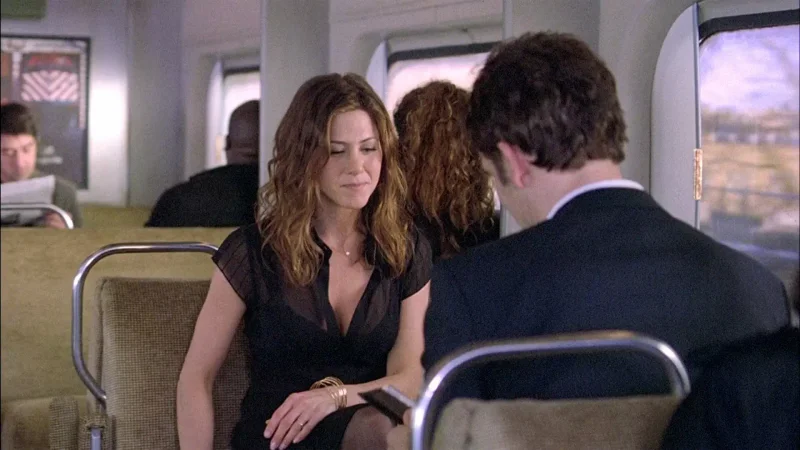
The Transformation of Guilt: From Victim to Perpetrator
The most compelling aspect of the finale is Charles's moral evolution. Initially, he is a man who makes a romantic mistake, driven by frustration and curiosity. As the story progresses, each attempt to mitigate the damage forces him to cross new ethical boundaries.
He steals money meant for his daughter's medical care, conceals evidence, lies to the police, and even hides a corpse. None of these actions stem from a predisposition to violence; rather, they result from a long chain of compromises. The film thus suggests that the real danger lies not in the initial mistake, but in the belief that one can rectify it without confronting its consequences.
The final act of killing LaRoche represents the climax of this transformation. Charles eliminates the threat, yet he does so by adopting the same methods as the criminal who manipulated him. The line between victim and perpetrator becomes increasingly blurred.
In this respect, the film avoids a neatly reassuring conclusion. Charles saves his family and recovers the money, but he irrevocably loses his innocence. The audience witnesses the protagonist's victory, yet it cannot be deemed a moral triumph.
Jane's Scheme: A Reflection on Trust and Appearances
The shocking twist regarding Jane redefines the meaning of the entire narrative. For much of the film, viewers share Charles's perspective and perceive Lucinda as another victim of LaRoche's violence. Once the truth emerges, every preceding scene takes on a new significance.
The film cleverly plays with the theme of appearance, illustrating how easily a credible identity can be constructed. Jane embodies the role of the fragile, traumatized woman, exploiting her victim's empathy as an integral part of the criminal plan. Her character reveals how trust can swiftly transform into a primary tool of manipulation.
Simultaneously, the narrative emphasizes that Charles is deceived because he wants to believe the story being told to him. The attraction, the desire to escape routine, and the belief that he can control the situation blind him to the warning signs scattered along the way.
Thus, the scam succeeds because it exploits existing weaknesses in its targets. The criminals devise the plan, but it is the omissions and secrets of the victims that render it truly effective.

The True Significance of the Derailed Finale
The conclusion of Derailed illustrates how certain choices can radically alter a person, even when they stem from a seemingly contained mistake. Charles manages to protect his family and eliminate his pursuer, but to achieve this, he traverses a long sequence of compromises that lead him to adopt previously unthinkable behaviors.
The film suggests that betrayal is not the central point of the story. Instead, it serves as a catalyst for broader reflections on individual responsibility and the consequences of one's decisions. Each attempt to evade the truth generates even graver problems, fueling a spiral from which escape seems impossible.
This is why the final image of the reunited family carries a palpable ambiguity. Externally, Charles has regained what he was at risk of losing, but internally, he has transformed into a different man. He has defeated LaRoche, yet he has also demonstrated a willingness to kill to protect his equilibrium.
It is this contradiction that renders the finale impactful: the protagonist's victory coincides with the definitive loss of his innocence, leaving the audience with the sense that the price of survival was far greater than any blackmail could have demanded.
You may also like