Exploring Emotional Depths in "The Drama" – A Film Review
Kristoffer Borgli's "The Drama" explores the subtle fractures in ordinary lives, revealing emotional complexities just days before a wedding. This film review delves into its themes, performances, and technical achievements.
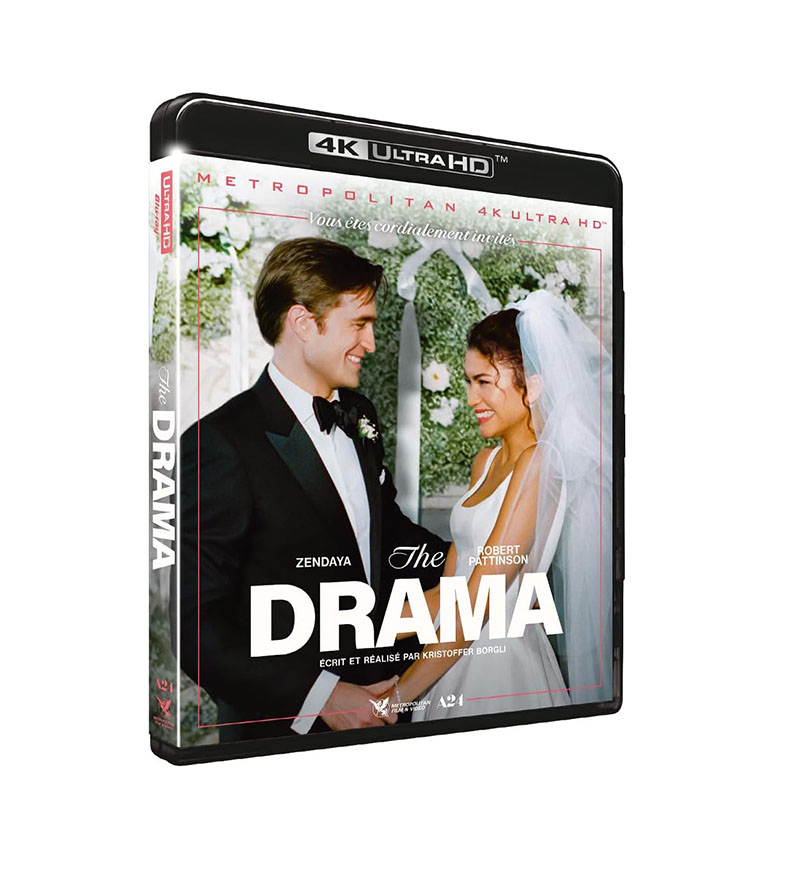 The United States: 2026
Original Title: –
Director: Kristoffer Borgli
Screenplay: Kristoffer Borgli
Cast: Zendaya, Robert Pattinson, Alana Haim
Distributor: Metropolitan Film & Video
Runtime: 1h45
Genre: Comedy, Drama
Theatrical Release Date: April 1, 2026
DVD/BR/4K Release Date: August 7, 2026
The United States: 2026
Original Title: –
Director: Kristoffer Borgli
Screenplay: Kristoffer Borgli
Cast: Zendaya, Robert Pattinson, Alana Haim
Distributor: Metropolitan Film & Video
Runtime: 1h45
Genre: Comedy, Drama
Theatrical Release Date: April 1, 2026
DVD/BR/4K Release Date: August 7, 2026
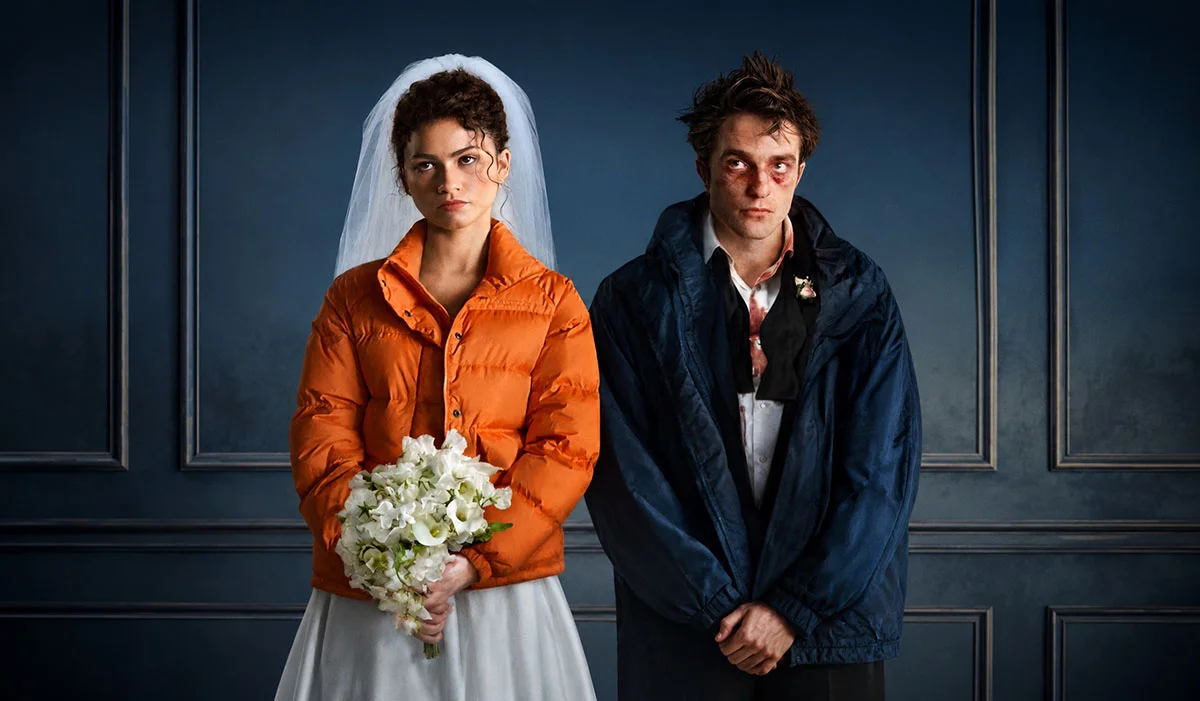
A couple's happiness is tested when an unexpected twist disrupts their lives just a week before their wedding...
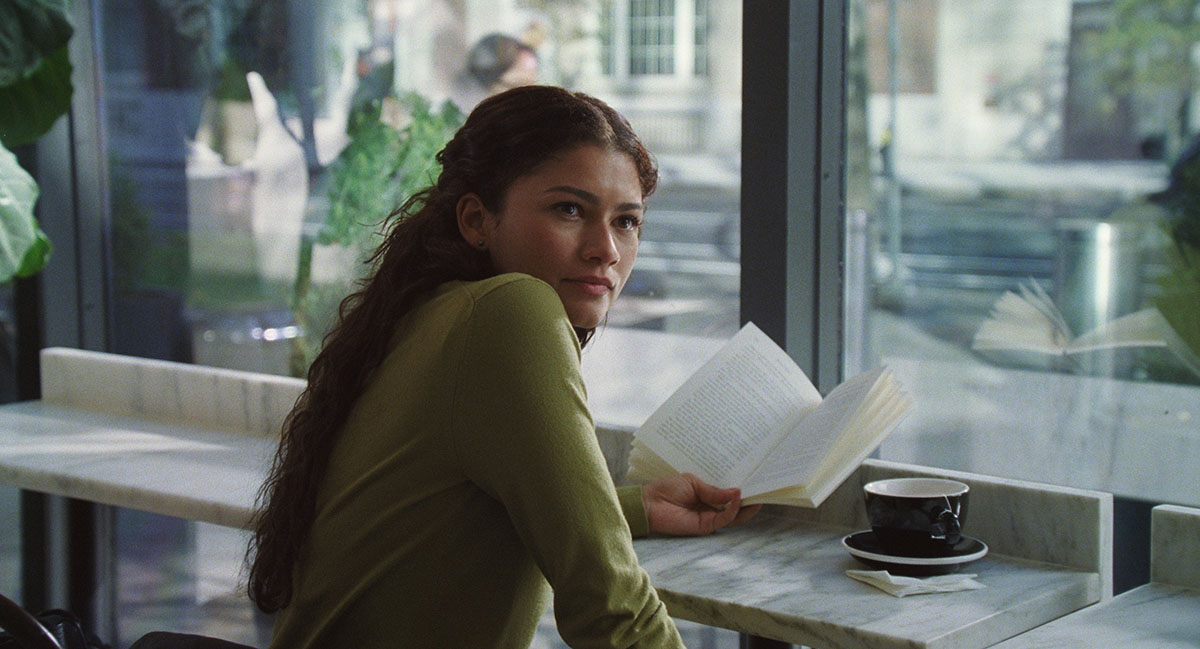
The Film
Rating: 3.5/5
Kristoffer Borgli’s cinema has found a fertile ground in exploring the subtle fractures that exist within ordinary lives. Rather than focusing on grand, dramatic traumas, he delves into the micro-fissures that individuals often conceal behind forced smiles or clichéd phrases. Following Dream Scenario, where Nicolas Cage's life is shattered by an absurd phenomenon, The Drama continues this examination of contemporary malaise with a near-clinical elegance. The film begins as a conventional romance—set just days before a wedding, filled with doubts and intimate confessions—yet it hints at a deeper vertigo that Borgli intends to explore. Instead of delivering overt shocks, The Drama introduces a tiny splinter beneath the narrative’s surface, observing how each character strives to maintain their composure in the face of pain.
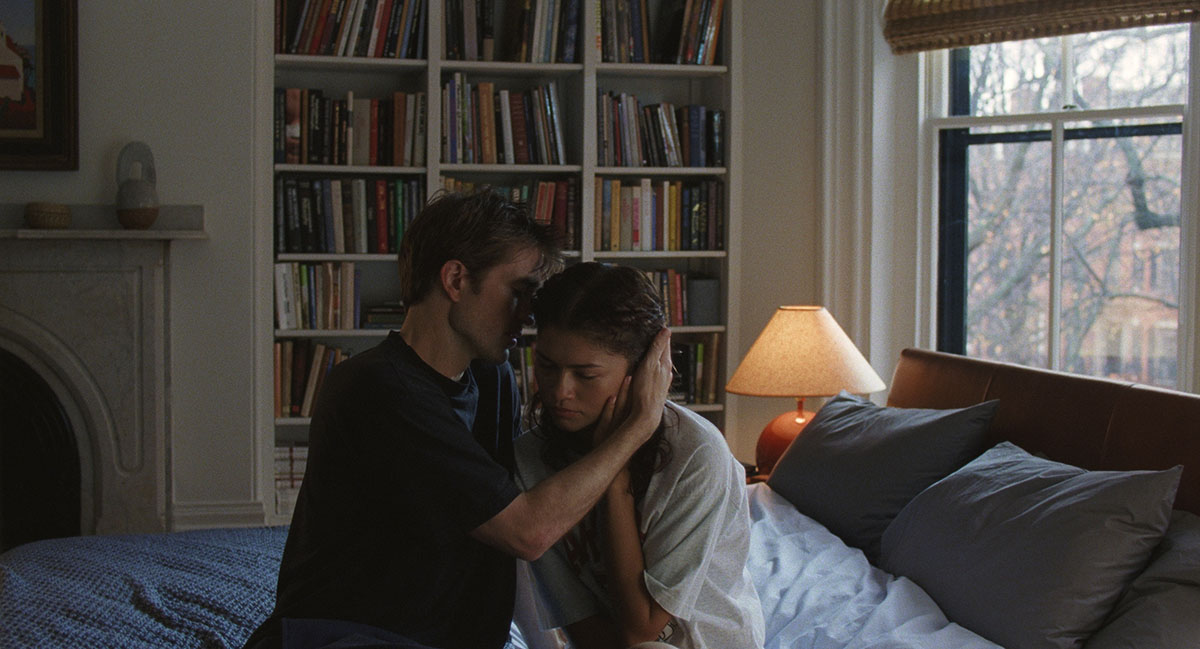
This fascination with discomfort is not merely an auteur gimmick; for Borgli, it becomes a lens through which to view the world. While many filmmakers chase the spectacular, he posits that the most compelling catastrophes often arise from a poorly timed phrase. The film revolves around this notion, suggesting that a simple exchange can turn a love story into an emotional minefield. The dialogue unfolds like tightrope walkers under the influence of anxiolytics, with each word threatening to tip the precarious balance of the couple's relationship. The camera captures this process with an entomologist’s precision, favoring shots where faces transform into mental landscapes, and silences gradually overshadow spoken words. A moved chair can sometimes create more noise than a heated argument, and a diverted gaze can weigh heavier than an elaborate explanation. The Drama thus turns domestic spaces into laboratories of anxiety, where every object seems to have entered into a secret pact with guilt.
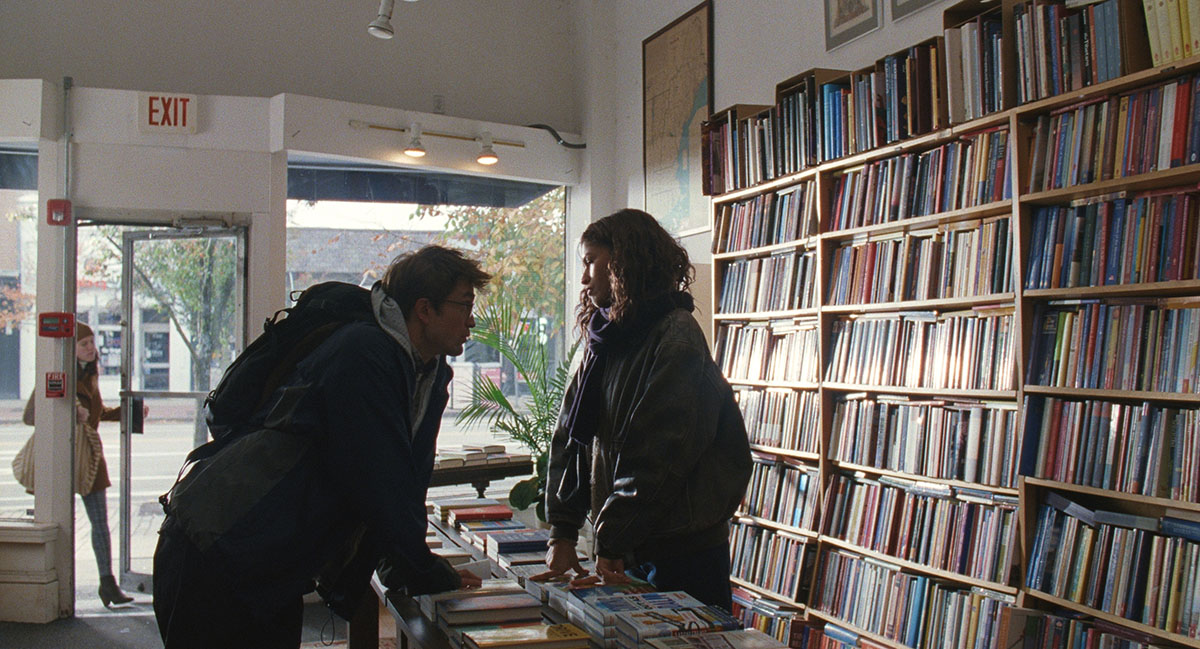
This restrained direction aligns seamlessly with the film's themes. The characters navigate a world rife with constant communication, social media, and demands for authenticity, yet they struggle to discern how honest they should truly be. Is complete honesty a testament to love? Are there memories better left buried than exposed to harsh scrutiny? The Drama cleverly blurs these certainties, allowing viewers to form their own internal judgments. This ambiguity is one of the film's most commendable attributes: the situations presented do not seek to flatter audience convictions but rather encourage reflection on how individuals construct their personal narratives. In their quest to align their ideal self-image with reality, the characters discover that memory can often resemble a slightly warped mirror—accurate enough to reassure, yet skewed enough to deceive without awareness. It is within this uncomfortable yet captivating space that The Drama reveals Borgli's finest work.
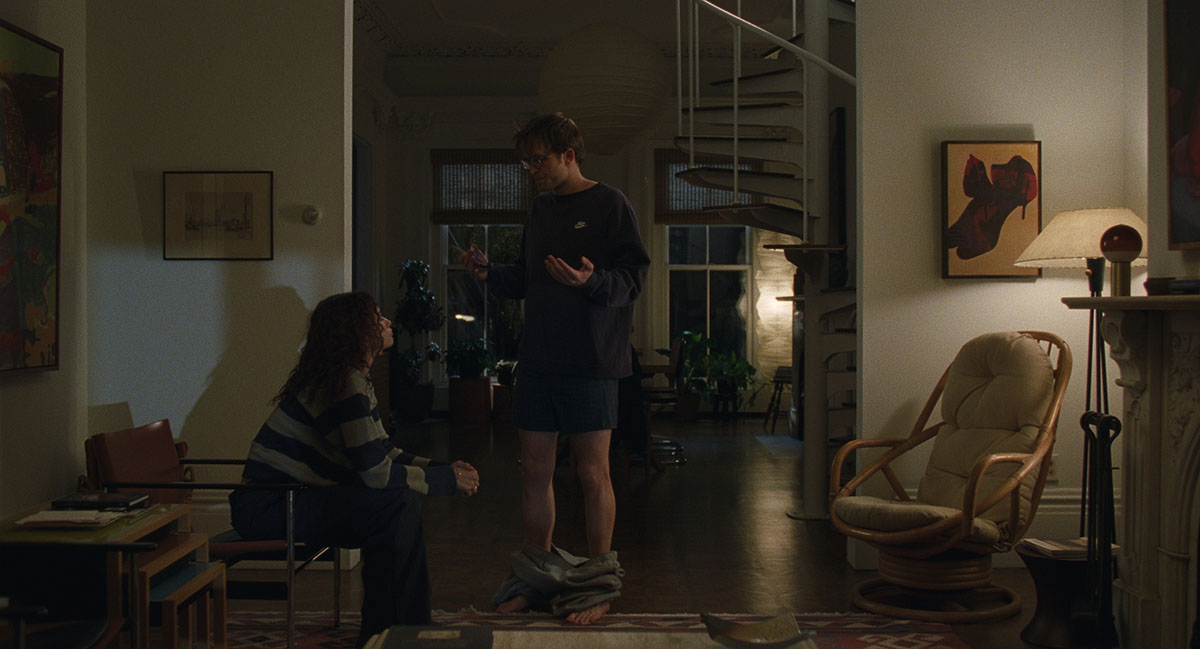
However, when The Drama finally reveals the much-publicized secret from its promotional campaign, it exposes a notable limitation. Not because the revelation lacks significance, but because the buildup suggests a dramatic upheaval that the narrative struggles to deliver. The secret serves more as a psychological revelation than a dramatic earthquake. Zendaya’s character’s confession highlights a distinctly American anxiety, rooted in a society where fear of action and the specter of mass violence infiltrate even romantic relationships. Interestingly, the story implies that a past incident shared by Robert Pattinson's character belongs to a time when he was too young to be judged, while Zendaya's equally formative experience assumes a weighty moral significance. This asymmetry is likely intentional, reflecting how society prioritizes potential faults over the acts themselves. The Drama tantalizingly brushes against a fascinating exploration of anticipated guilt, though it sometimes hesitates to fully explore this line of reasoning, as if fearing to open a door that might lead to unanswered questions.
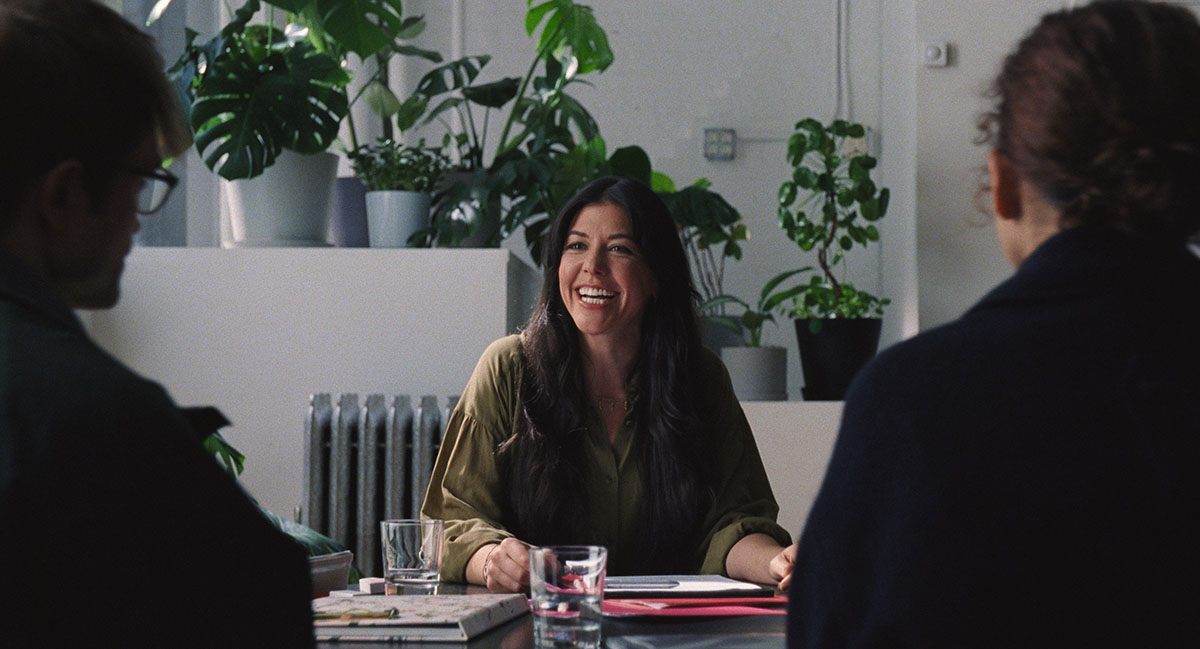
Despite this slight frustration, The Drama maintains a captivating allure. Borgli knows precisely where to position his camera—and where not to. The film’s most significant moments rarely occur amidst grand displays of cinematic flair; instead, they emerge in a fleeting blink, a subtle pullback of the frame, or an extended silence. This economy of means conjures a peculiar poetry, almost a surrealism of the everyday, where a meticulously organized living room can suddenly feel more unsettling than a fog-laden alley. The filmmaker continues to craft a distinct universe, occasionally reminiscent of Ruben Östlund's work, yet free from overtly demonstrative satire. The characters in The Drama are never ridiculed; they resemble tightrope walkers trying to traverse a line between their past and the image they aspire to project. Even moments of humor arise as nervous release valves, flashes of clarity that prevent the film from descending into laboratory pessimism.
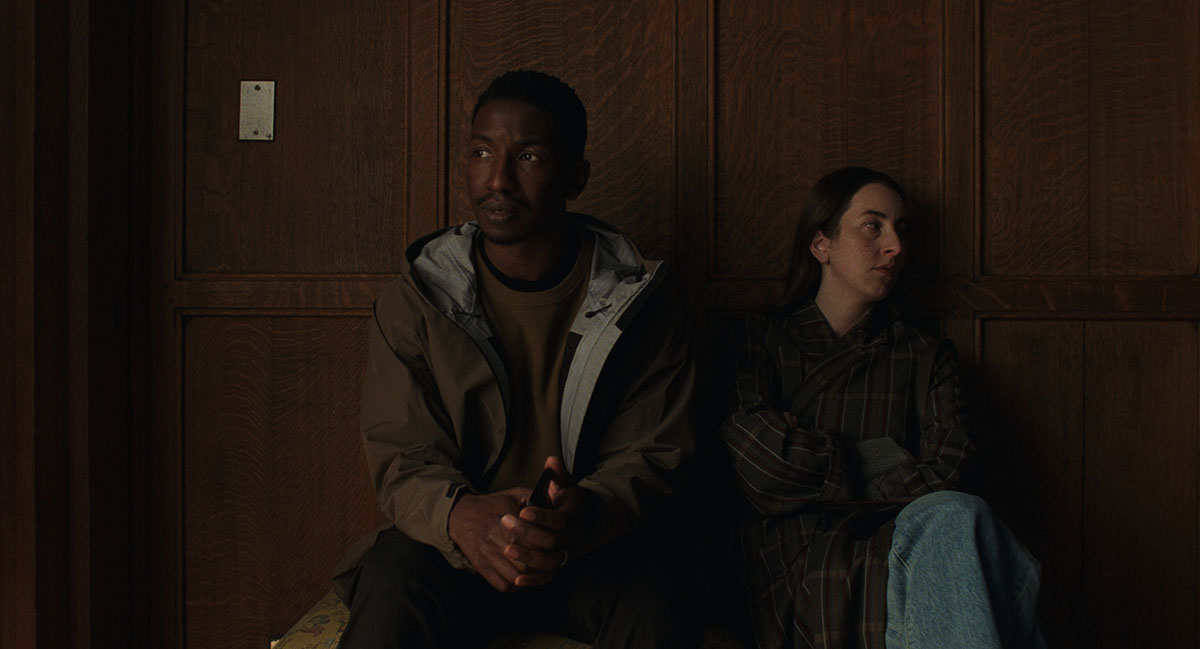
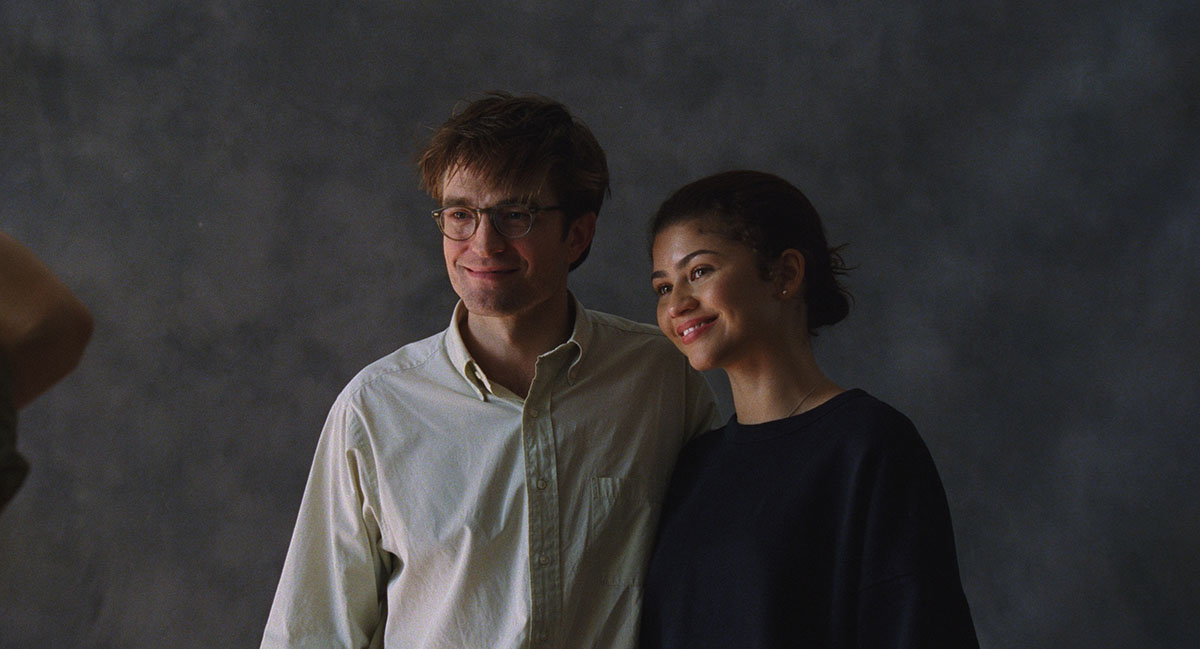
The chemistry between Robert Pattinson and Zendaya significantly enhances the film's effectiveness, as neither actor attempts to mold their character into a hero or victim. Both proceed with remarkable restraint, allowing contradictions to surface without highlighting them with a fluorescent marker. Pattinson reaffirms his penchant for portraying fragile male figures, teetering on an emotional tightrope, while Zendaya crafts a character whose opacity deepens as the story unfolds. This level of performance elevates The Drama beyond mere stylistic exploration of contemporary malaise. While the film may not possess the shock value that its promotional strategy suggested, and its major revelation feels more like a damp squib than an existential explosion, Kristoffer Borgli continues to assert a unique voice in contemporary cinema, favoring subtle tremors over thunderous impacts. Ultimately, The Drama resembles those nearly invisible cracks that appear on a windowpane: seemingly insignificant at first glance but ultimately altering the way light filters through the room. It may be less spectacular than anticipated, but it is nuanced enough to leave a lasting impression.
The Blu-ray 4K Ultra HD
Rating: 4/5
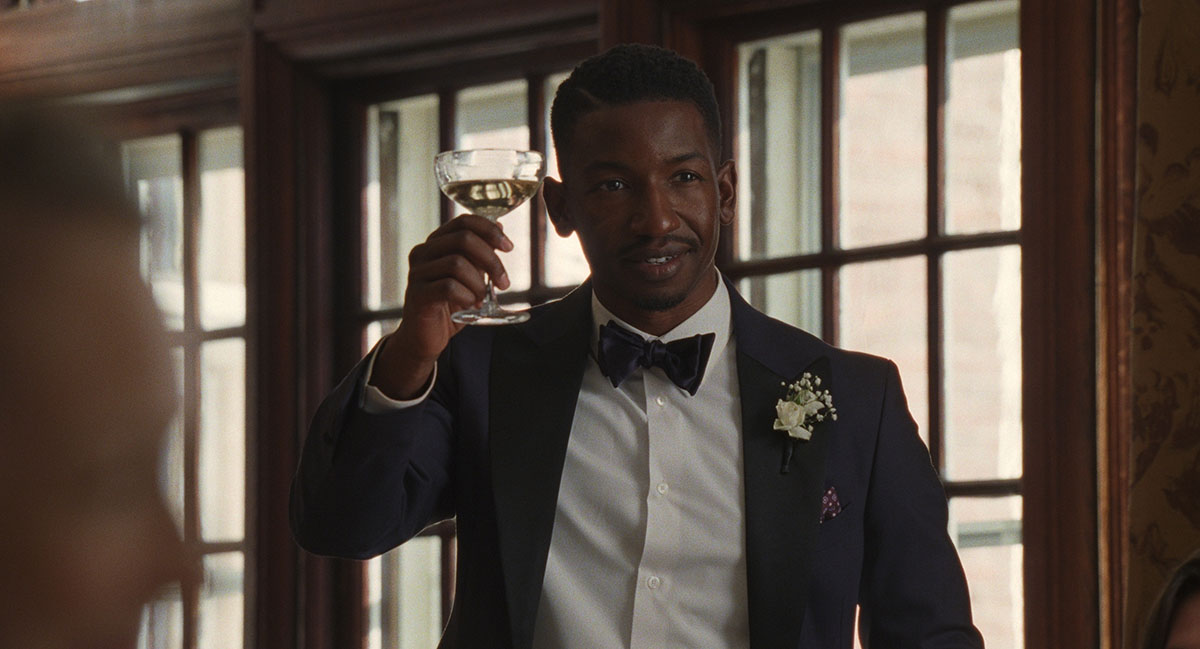
The 4K Ultra HD Blu-ray of The Drama, released by Metropolitan Film & Video, offers a technically impressive presentation that aligns well with Kristoffer Borgli's aesthetic ambitions. At first glance, the film may appear modest visually: few spectacular effects, a naturalistic cinematography, and settings that prioritize glances over explosions. However, this type of cinema often serves as an excellent test for UHD transfer quality. The 4K master, presented in HDR10 and Dolby Vision, captures the nuances of the cinematography with finesse, subtly enhancing the depth of blacks and richness of hues without artificially boosting contrast. The interiors benefit from a particularly refined color palette, where slightly desaturated colors contribute to the emotional discomfort permeating The Drama. Faces gain precision, revealing every hesitation, micro-expression, and fleeting smile. This heightened definition does not aim to impress; it simply complements Borgli's keen observational style.
On the audio front, the two DTS-HD Master Audio 5.1 tracks are commendable. Again, the spectacle does not rely on constant displays of power but rather on a nuanced reproduction of the sound environment. The ever-present dialogue is crystal clear, while urban atmospheres, room reverberations, and occasional musical interludes envelop the viewer discreetly without drawing undue attention. The spatialization remains intentionally measured, yet it consistently follows the characters' movements, contributing to the diffuse tension that perfectly characterizes the film.
You may also like