
Gaming and Gen Alpha: How to Protect Our Children from Online Predators?
Minecraft, Roblox, Fortnite… For Generation Alpha (born after 2010), these games are true virtual playgrounds. In France, 92% of 10-17 year-olds play video games, and for the vast majority of them (84%), this practice is primarily social. However, behind the friendliness of online games lies a darker reality that parents can no longer ignore: the presence of predators using these platforms to contact minors.
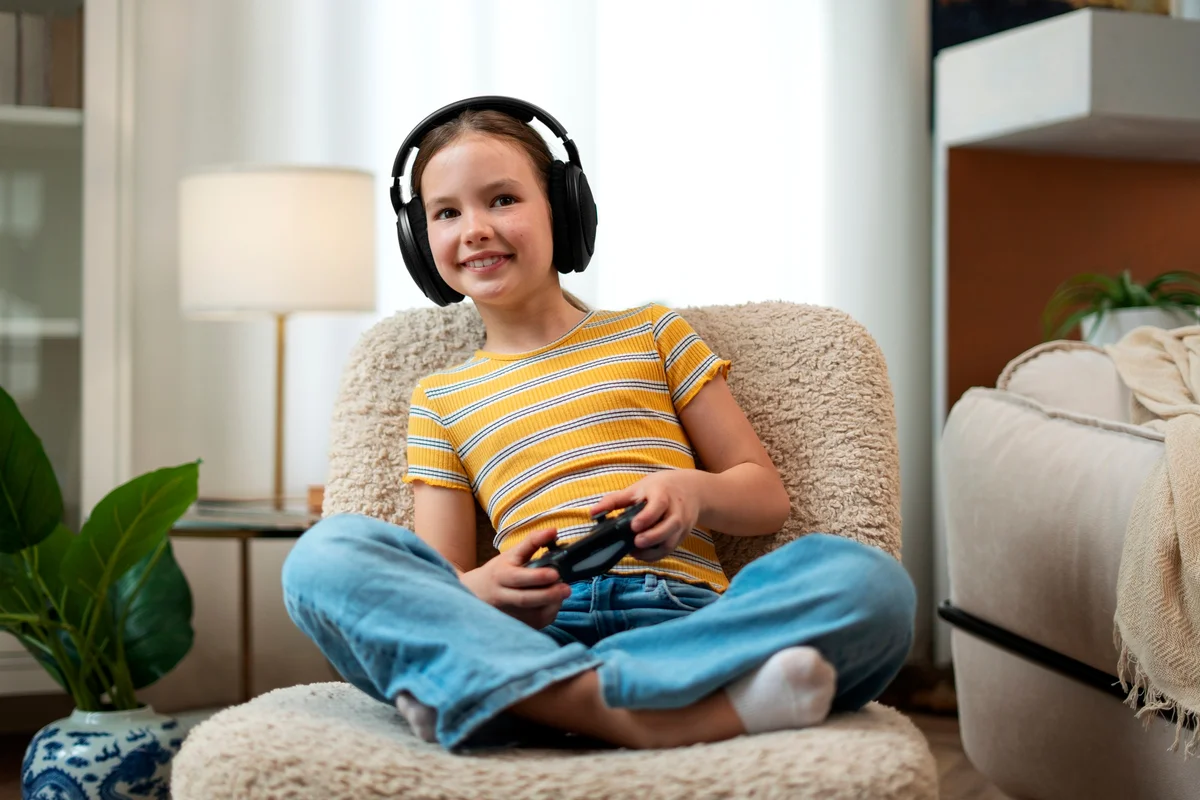
Minecraft, Roblox, Fortnite… For Generation Alpha (born after 2010), these games are true virtual playgrounds. In France, 92% of 10-17 year-olds play video games, and for the vast majority of them (84%), this practice is primarily social. However, behind the friendliness of online games lies a darker reality that parents can no longer ignore: the presence of predators using these platforms to contact minors.
Video Games: A New Hunting Ground for Predators
Connected gaming spaces have become major risk zones as they facilitate direct contact between adults and children. Unlike traditional social networks, gaming creates an immediate bond through action: players collaborate to succeed in missions, and trust naturally develops. According to a report by the organization Thorn, one in four young people have been sexually solicited online before the age of 18, often in exchange for "virtual rewards."
Predators no longer settle for simple messages; they employ sophisticated "grooming" techniques. They take the time to build a relationship, offering rare in-game items or virtual currency (like Robux) to gain the child's trust. The danger intensifies when discussions move off the monitored gaming platform to private messaging apps like Discord or Snapchat, where control is nearly non-existent.
Establishing a Trusting Dialogue Without Taboos
The most effective protection lies in the quality of communication between parents and children. Addressing the risks online head-on is fundamental, but it is essential to remain compassionate. The child must understand that a "friend" met on Roblox is still a stranger, regardless of the time spent playing together.
To foster this climate of trust, explain to your child that they can tell you anything without fear of punishment. Too often, young victims remain silent for fear of having their console or smartphone confiscated. Use concrete situational examples: "What would you do if a player offered you a rare skin in exchange for a photo of yourself?" or "Do you think everyone is really who they claim to be behind their avatar?" The goal is to empower the child to take charge of their own safety.
Technically Securing the Gaming Environment
While dialogue is essential, technical tools provide an additional necessary barrier. Most consoles and platforms offer robust privacy settings that should be activated as soon as the account is created.
- Disable public chats: For younger players, it is recommended to limit interactions to only "friends" from real life.
- Hide the profile: Prevent strangers from seeing personal information or the child's location.
- Control transactions: Blocking in-game purchases not only protects your bank account but also prevents the child from being tempted by virtual currency exchanges with third parties.
Don’t hesitate to configure these options with your child. By showing them how to block or report suspicious behavior, you empower them to react. If they understand that these settings are not punishments but protections they helped implement, they will be less tempted to bypass them.
Spotting Warning Signs and Acting Quickly
Despite all precautions, an incident may occur. Certain behavioral changes in the child should raise alarms: sudden anxiety after a gaming session, an unusual desire to hide the screen, mood swings, or receiving gifts (money, physical items) from unknown sources.
If you suspect malicious solicitation, do not panic or blame the child. Document everything: take screenshots of conversations and the relevant profiles. Report the individual immediately on the gaming platform and, in serious cases of sexual solicitation, contact the authorities. Constantly remind your child that if something bad happens, it is never their fault. By remaining vigilant and involved, we can ensure that video gaming remains what it should be: a safe space for enjoyment and discovery.