
Lymphatic Drainage for Weight Loss: Benefits and Practical Tips
Explore the benefits of lymphatic drainage for weight loss and overall well-being. Understand its principles, techniques, and practical tips for effective sessions.
The human body processes nearly two liters of lymph each day, yet many remain unaware of the crucial role this invisible circulation plays. Techniques like lymphatic drainage promise to enhance its benefits, but the reality is often more complex than it appears.
Understanding Lymphatic Drainage: Principles and Functioning
The lymphatic system operates tirelessly, filtering out waste, toxins, and excess fluids to maintain internal balance. Unlike blood, lymph does not circulate through a central pump; it moves through muscle contractions and external stimulation.
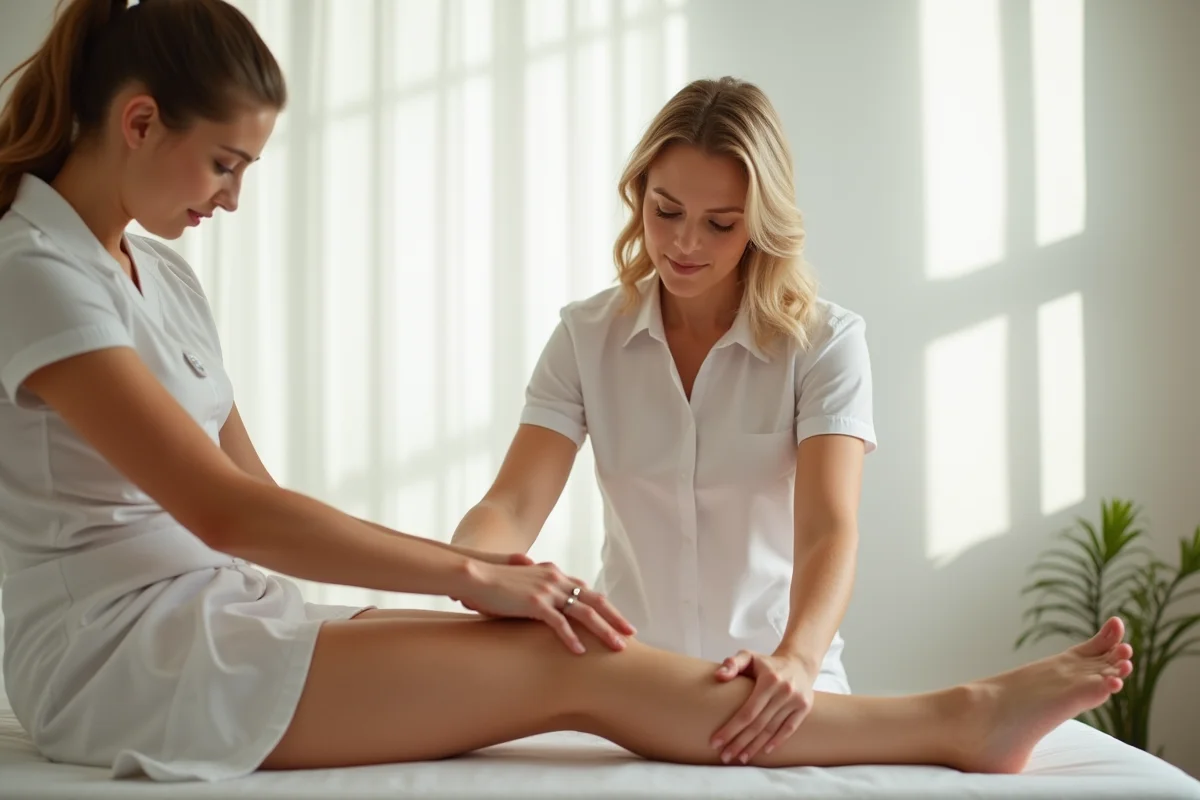
Manual lymphatic drainage involves precise, gentle movements performed in a rhythm that respects the patient's physiology. Developed in the 1930s by Dr. Emil Vodder, this technique has inspired various adaptations. The Renata França method, hailing from Brazil, is noted for its intensity and the rapid visible effects it produces, with some clients reporting a more refined silhouette after just one session. Practitioners like Sarah Line Attlan and Anne Cali, along with the GAD massage technique, tailor their approaches to accommodate different body types.
Key Techniques Used
Here’s a brief overview of the most common methods:
- Renata França Method: Utilizes firm pressure at a brisk pace to achieve rapid body transformation.
- Manual Palpation-Rolling: Involves pinching and rolling the skin to stimulate deep lymphatic circulation.
- Lymfea: Merges manual drainage with personalized advice for a holistic and tailored approach.
Typically, a lymphatic drainage session lasts between 45 to 90 minutes. Clients often describe the experience as enveloping, fluid, and soothing, without discomfort. The choice of method will depend on the individual’s health and specific goals.
Anticipated Benefits for Body and Well-being
The effectiveness of lymphatic drainage lies in its ability to alter body perception. Many clients report a sense of relief and lightness, often felt immediately after the session, particularly in heavy legs. Additionally, the quality of the skin improves, as the massage effectively combats water retention, a subtle yet significant factor affecting body appearance.
By stimulating blood and lymphatic circulation, lymphatic drainage aids in the elimination of toxins and metabolic waste. Research indicates a potential stimulation of fibroblasts, the cells responsible for collagen production, contributing to skin firmness. The result is smoother skin, refined texture, and a more unified silhouette.
The advantages of lymphatic drainage extend beyond aesthetics. By reducing water retention in tissues, it alleviates feelings of swelling, particularly during hot weather or after prolonged travel. Athletes also rely on this method to expedite muscle recovery and minimize soreness.
To summarize its tangible effects, several improvements are frequently noted:
- Relief from heavy legs
- Smoother and softer skin
- Enhanced natural detoxification of the body
- Visible reduction in water cellulite
Each lymphatic drainage session becomes a unique moment, allowing the body to regain its breath and the mind to experience a clear sense of relaxation.
Lymphatic Drainage and Weight Loss: Myth or Slimming Ally?
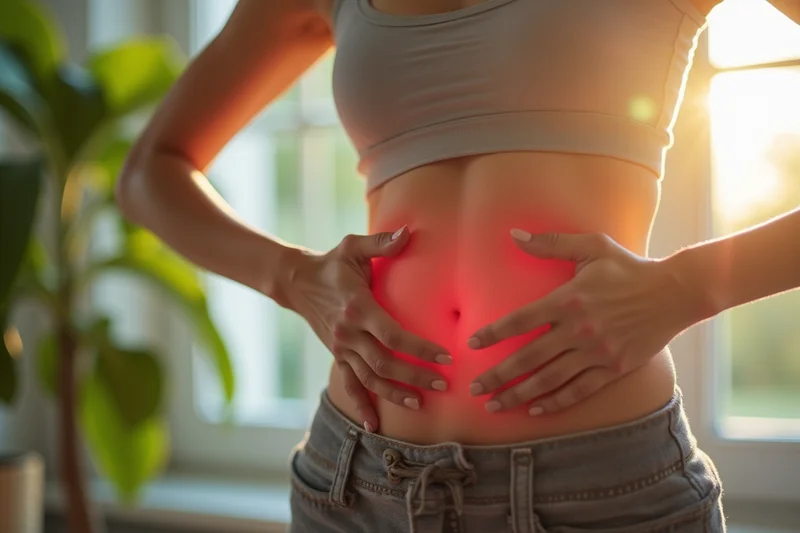
The concept of lymphatic drainage for weight loss generates much discussion and interest. However, the massage itself does not dissolve fat; it cannot replace a controlled diet or regular exercise. Its effectiveness lies in its ability to reactivate lymphatic circulation, reduce water retention, and relieve tissue congestion. This often results in immediate weight loss, but primarily reflects a reduction in fluids rather than fat reserves.
While this treatment can refine body shape and enhance skin uniformity, it also alleviates the heaviness that can affect mood. Those prone to water cellulite often notice significant changes. It is important to clarify, however, that lipolysis—the breakdown of fat cells—is not within the scope of lymphatic drainage, despite some claims.
Nevertheless, lymphatic drainage is a valuable option for individuals looking to harmonize their shape, especially in conjunction with a balanced lifestyle. It is particularly effective for relieving heavy legs or managing weight fluctuations related to circulation. For lasting body transformation, maintaining a varied diet and regular physical activity remains essential.
Practical Tips for Safe and Effective Lymphatic Drainage
Before scheduling a lymphatic drainage appointment, it is beneficial to clarify your objectives and ensure that the chosen method aligns with your situation. Consulting a trained practitioner who understands the nuances of different techniques, from classical drainage to the Renata França method or palpation-rolling, is crucial for ensuring a professional approach. This expertise is especially important in cases of circulatory disorders or lymphedema.
Certain conditions may require you to forgo lymphatic drainage. Caution is advised during pregnancy, in the presence of acute inflammatory rheumatism, active infections, or a history of phlebitis. Following surgery or in cases of chronic illness, professional medical advice is essential.
Between sessions, simple habits can enhance the effectiveness of lymphatic drainage:
- Stay well-hydrated to assist the kidneys in eliminating mobilized toxins.
- Opt for a balanced diet and reduce salt intake.
- Incorporate physical activity, even moderate, to support lymphatic circulation.
- Practice gentle lymphatic self-massage, respecting the natural flow direction of lymph.
The success of lymphatic drainage hinges on listening to your body, adapting protocols, and considering any medical obstacles. Side effects are rare; mild fatigue or unusual thirst simply indicate that the system is activating.
Ultimately, lymphatic drainage paves the way for tangible well-being, fostering a new awareness of one’s body. It serves as a refreshing breath, bridging health and renewed confidence.