Overdrive: Understanding the Film's Climactic Twist
Overdrive is an action film that intertwines thrilling car chases, high-speed heists, and a narrative filled with double-crosses. Directed by Antonio Negret, it features a twist ending that redefines the entire story.
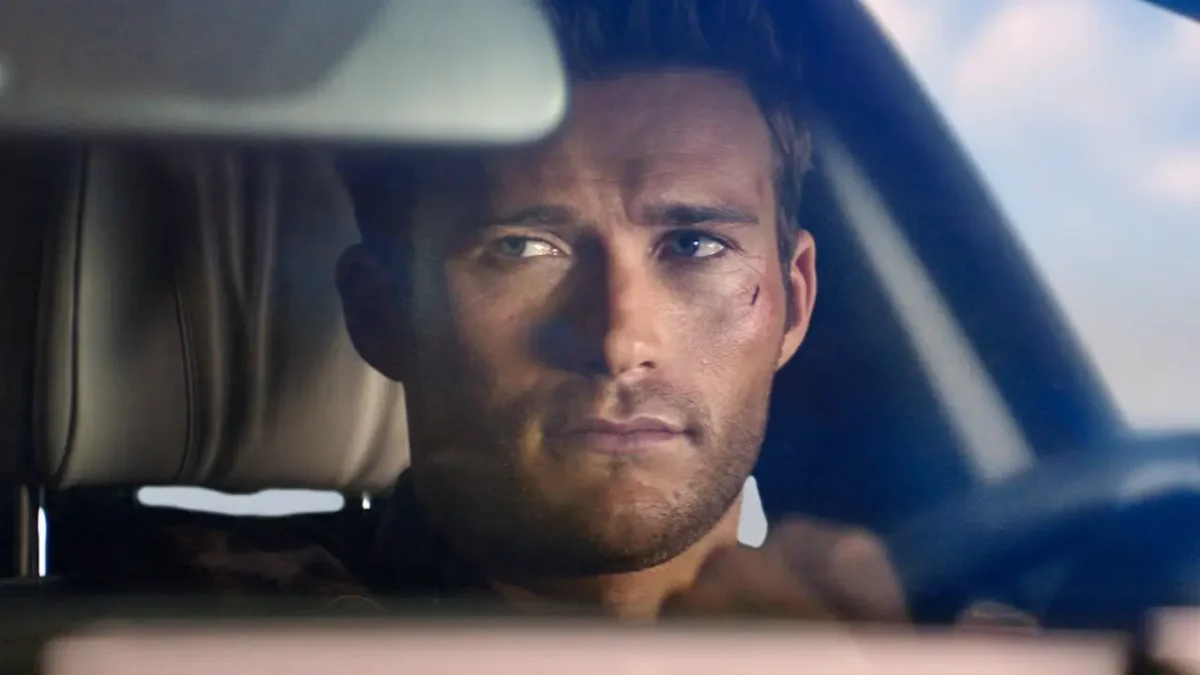
Overdrive is an action film that masterfully combines thrilling car chases, high-speed heists, and a narrative structure built on double-crosses. Directed by Antonio Negret and produced by Pierre Morel, the story follows stepbrothers Andrew (Scott Eastwood) and Garrett Foster (Freddie Thorp), who are expert thieves of vintage automobiles. Their latest escapade leads them into the crosshairs of the formidable Marseille crime boss Jacomo Morier after they steal a prized Bugatti from his collection.
For much of the film, Overdrive unfolds like a classic heist narrative, where the protagonists are tasked with stealing a rare 1962 Ferrari 250 GTO to save their lives and that of Stephanie, who has been kidnapped by Morier as leverage. However, the ending dramatically shifts this perspective. The final act reveals that the heist involving the Ferrari was merely a ruse, with the true target being Morier's garage all along. This twist provides a crucial context for the film's entire narrative.
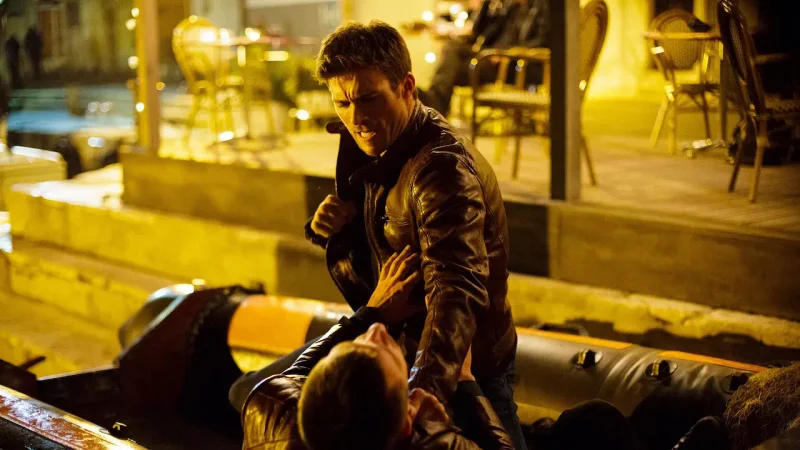
At the core of Overdrive lies the essence of heist films, where the thrill comes from discovering that the plan presented was just a fragment of a much larger strategy. Throughout the film, various clues lead viewers to believe that the operation revolves solely around Max Klemp's Ferrari 250 GTO.
After being captured by Morier, Andrew and Garrett promise to steal their rival's car to avoid execution. Morier grants them just a week, also assigning his cousin Laurent to oversee their operation. Meanwhile, Stephanie (Ana de Armas), Devin, and the rest of the crew join the fray, as two Interpol agents appear to be monitoring the protagonists' every move.
This setup echoes many films in the genre, where the preparation for the heist occupies a significant portion of the narrative. Viewers are led to focus solely on the Ferrari and the challenges of stealing it, unaware that the real goal has been in plain sight all along: Morier's extraordinary private collection, featuring some of the rarest cars in the world.
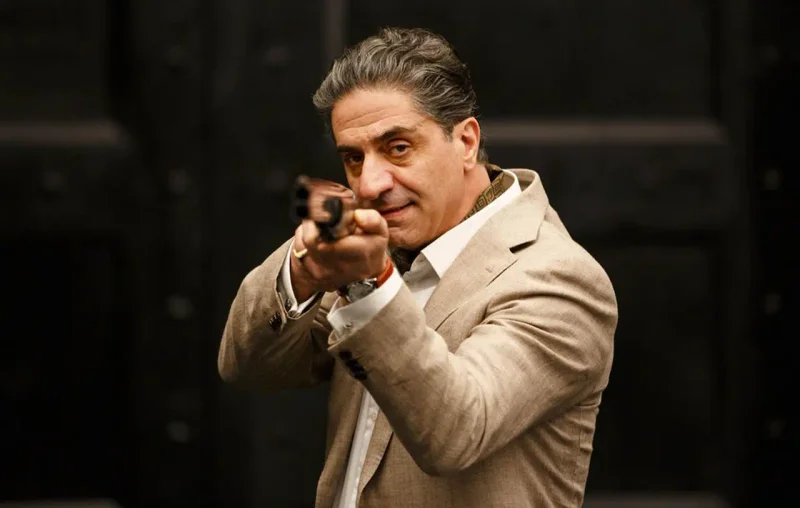
As the day of the heist arrives, everything seems to proceed as planned. Stephanie, held captive in Morier's villa, manages to escape her room with the keys, triggering the alarms in the mansion. Simultaneously, the rest of the team sets their plan into motion.
It is at this moment that the film reveals its true nature. While Morier believes the brothers are attempting to steal his rival's Ferrari, they are actually emptying his personal garage. The entire mission orchestrated in the preceding days was merely to divert the boss's attention.
By the time the criminal realizes the deception, it is too late. He pursues the brothers to the Marseille port, where a spectacular final sequence unfolds. During their escape, Andrew even takes a moment to propose to Stephanie, lightening the tension with one of the film's more humorous moments.
The climactic confrontation culminates in Morier's demise, as his Maserati Quattroporte is sent crashing into the sea by a bus driven by Devin. With the boss eliminated, the brothers complete their heist and can finally reveal the true plan behind their operation.
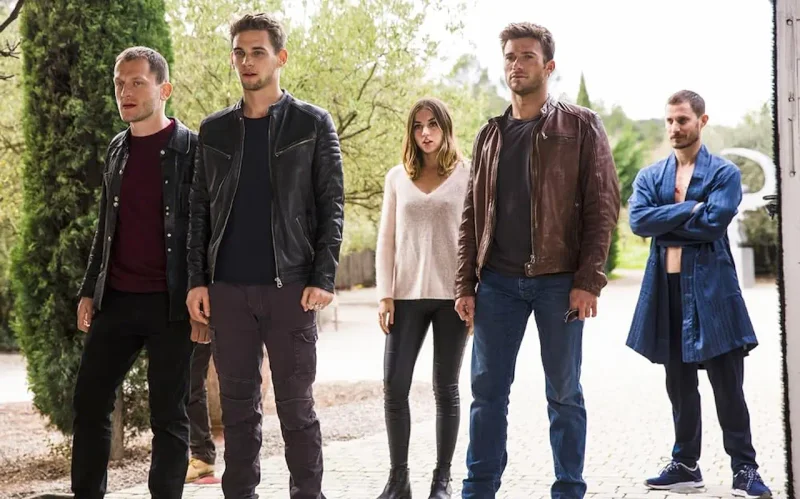
The most significant revelation comes right after their escape. The stolen cars are not kept by the protagonists but handed over to Max Klemp. It becomes clear that the brothers had struck a deal with the magnate from the very beginning to take down his rival.
However, this truth is short-lived. Overdrive introduces another twist, showing that even the Interpol agents were colluding with Klemp, confirming that every faction in the story was manipulating the others for personal gain. The film constructs a web of deceit where no one is entirely innocent, and no one knows all the cards in play.
The only character maintaining genuine autonomy is Devin. Before leaving, she manages to obtain the garage code from Klemp, quietly preparing for a new heist. This narrative choice is significant as it prevents Klemp from becoming the absolute victor of the story. If Morier represents the defeated villain, his rival is immediately transformed into the next target.
This structure aligns Overdrive more closely with films about master con artists than with traditional car-centric action movies. The material theft is merely a tool through which the characters continuously redefine their power dynamics.

Following the events in Marseille, the film transitions to Paris. Here, Garrett fears he has been abandoned by Devin, echoing one of the lighter subplots. However, she reappears, driving Klemp's rare Ferrari, demonstrating that her personal plan has succeeded.
The car is gifted to Andrew, who in turn gives it to his brother. For a moment, this gesture seems to signify a passing of the torch. Throughout the film, Andrew had insisted that this would be his last job, and the gift of the Ferrari suggests he might truly be ready to leave that life behind.
This illusion is short-lived, as Stephanie reminds them of another extremely rare car stored in Barcelona, one of only nine in existence. This information reignites the team's enthusiasm almost immediately.
Andrew's final decision to rejoin the crew indicates that the change hinted at throughout the film never truly materialized. His love for Stephanie alters his personal outlook, but it does not erase the allure of adventure and risk. The heist continues to serve as the language through which the brothers express their bond.
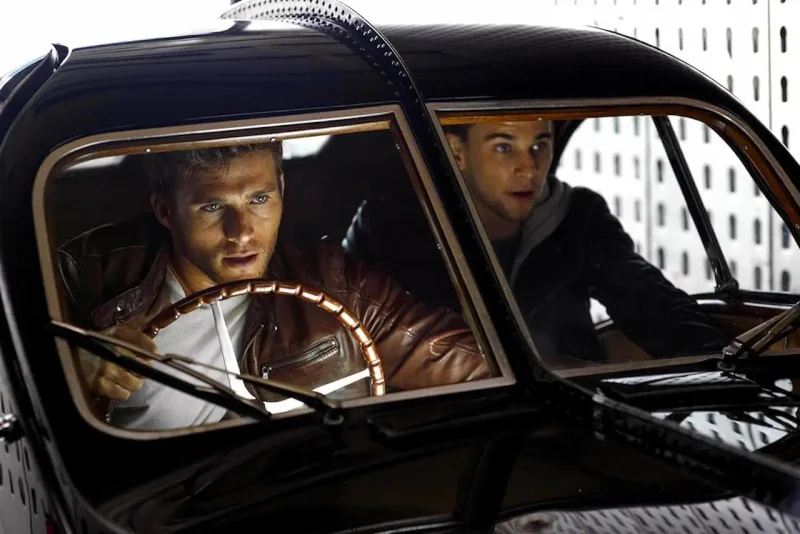
The ending of Overdrive underscores that the film is not concerned with the redemption of its protagonists. Unlike many contemporary heist films, the Foster brothers do not choose to use their final heist to build a new life away from crime. Instead, the epilogue suggests that stealing extraordinary cars defines their true identity.
The death of Morier removes the main antagonist, but it does not alter the nature of the protagonists. Even Andrew's engagement to Stephanie does not equate to a renunciation of the reckless life they have always led. On the contrary, the marriage and the idea of another heist coexist without appearing incompatible.
In this light, the Ferrari stolen from Klemp takes on symbolic significance. It represents not so much the final prize but proof that in the world of Overdrive, every winner can become the next target. No collection is truly safe, and no plan is definitive.
The film closes with the final image of the team plotting a new heist, signaling a promise of continuity. Rather than concluding a story, it opens the door to a new adventure. Overdrive thus chooses to end its narrative by reaffirming the joy of action, deception, and speed, suggesting that for the Foster brothers, the perfect heist will always be the next one.