Stanley Kubrick's Surprising Favorite Film: A Musical Masterpiece
Stanley Kubrick, known for films like 'A Clockwork Orange' and 'The Shining,' had a surprising favorite film. Discover which Oscar-winning musical he called the best he ever saw.
Stanley Kubrick, the legendary filmmaker known for his iconic works such as "A Clockwork Orange," "The Shining," and "Eyes Wide Shut," had a surprising favorite among his cinematic influences. His choice, an Oscar-winning musical from 1979, stands out in stark contrast to his own meticulous and often dark filmography.

Throughout his illustrious 46-year career, Kubrick directed only 13 feature films, yet each has left an indelible mark on film history. The director, who passed away in 1999, was notorious for his perfectionism, often pushing actors to their limits, which resulted in masterpieces like "Barry Lyndon" and "Eyes Wide Shut."
While Kubrick's films are characterized by a cold atmosphere and precise framing, his list of influential films reveals a more eclectic taste. Among his favorites are works by auteur filmmakers such as Ingmar Bergman, Max Ophüls, Andrei Tarkovsky, and Akira Kurosawa. However, there are also unexpected entries.
For instance, Kubrick admitted to watching the Disney classic "Mary Poppins" three times. He also enjoyed the 1980s horror-comedy "An American Werewolf in London" and the sports comedy "White Men Can't Jump." Notably, he held such high regard for Steve Martin's classic "The Jerk" that he initially wanted Martin to star in "Eyes Wide Shut."
The Musical That Stole Kubrick's Heart
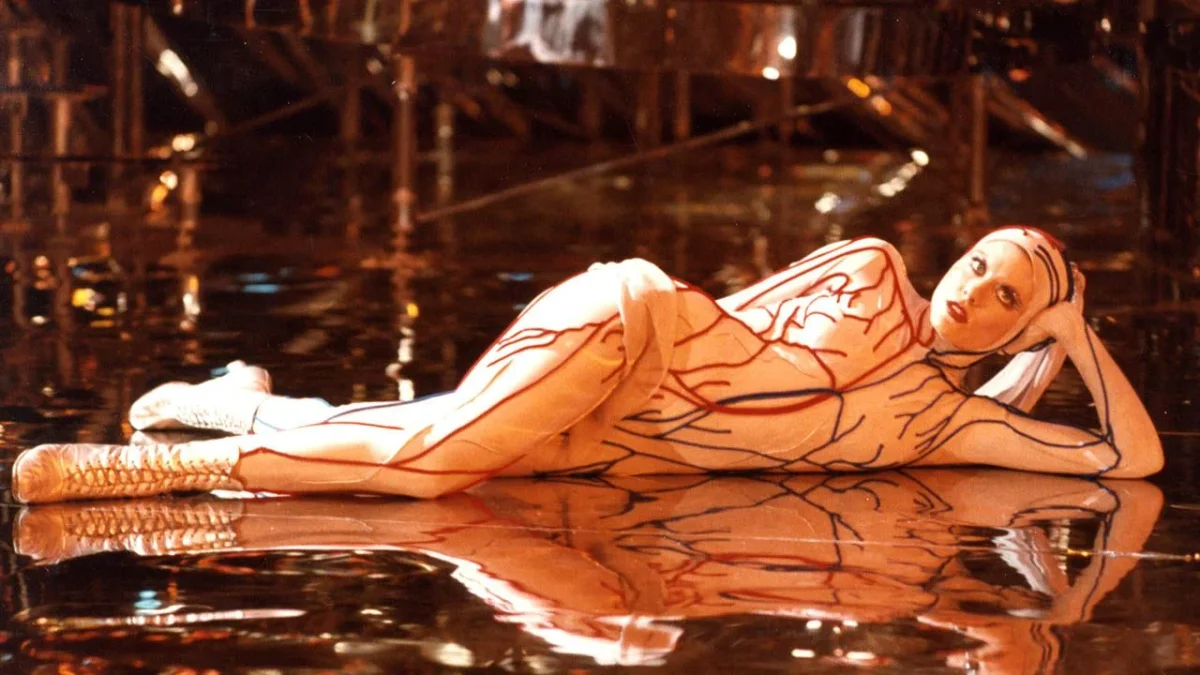
So, which film did Kubrick consider the best he had ever seen? According to John Baxter's biography of the director, he referred to Bob Fosse's musical "All That Jazz" (originally titled "Hinter dem Rampenlicht") as the "best film I have ever seen." The film is a semi-autobiographical reflection of Fosse's experiences in the entertainment industry.
This choice might come as a surprise. While music plays a significant role in Kubrick's films, he was not known for exuberant singing and dancing scenes. Furthermore, "All That Jazz," which won four Oscars, is an expansive and chaotic film, quite opposite to the heavy, geometrically composed visuals that define Kubrick's own works.
The narrative centers around choreographer and director Joe Gideon (Roy Scheider), who is preparing a new Broadway show with his ex-wife Audrey Paris (Leland Palmer) and his lover Angelique (Jessica Lange), leading to inevitable conflicts. Perhaps it is the film’s exploration of an artist’s psyche, grappling with personal and professional pressures, that resonated with Kubrick. Despite its vibrant exterior, the film is a dark and complex work, filled with unexpected twists.
Unfortunately, we may never fully understand Kubrick's reasoning, as the biography lacks direct quotes from him explaining this surprising choice. Nonetheless, it is a fascinating decision, not only because "All That Jazz" is an exceptional film (the author of this article can attest to that) but also due to the intriguing contrast it presents to Kubrick's own cinematic style.
For those curious about another film that captivated Kubrick until his final days, check out the article on his obsession with a particular war film masterpiece.