54 Years Ago, the Iconic Opening Scene of This Film Heralded a Masterpiece
In 1972, Francis Ford Coppola reinvented the crime drama with a timeless masterpiece. Explore the memorable opening scene that set the tone for this cinematic classic.
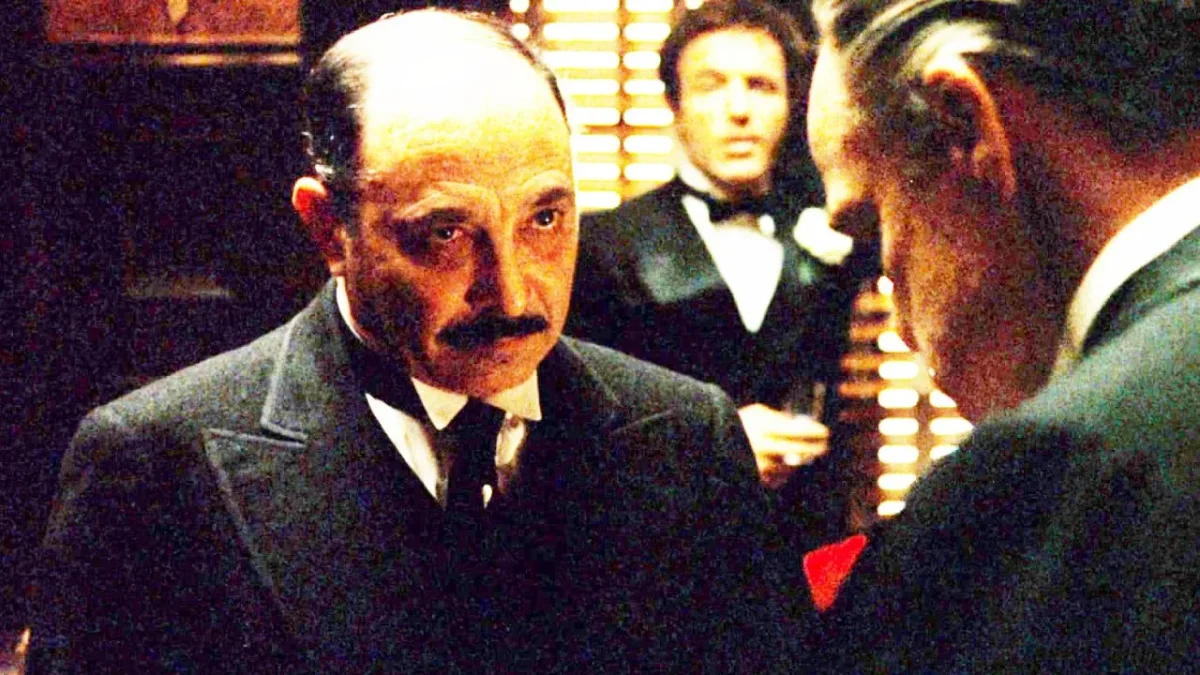
In 1972, Francis Ford Coppola single-handedly reinvented the crime drama set against a backdrop of organized crime, delivering a timeless work. The film's unforgettable opening scene remains etched in the minds of audiences.
"I believe in America. America has made my fortune. I raised my daughter to be a true American. I told her: You are free, but above all, you must never dishonor your family."
These poignant lines, spoken by Amerigo Bonasera in the opening of The Godfather, instantly signaled to viewers that they were witnessing a cinematic masterpiece. From the moment the film premiered, this sequence set the tone for the groundbreaking narrative that would unfold.
A Masterclass in Direction
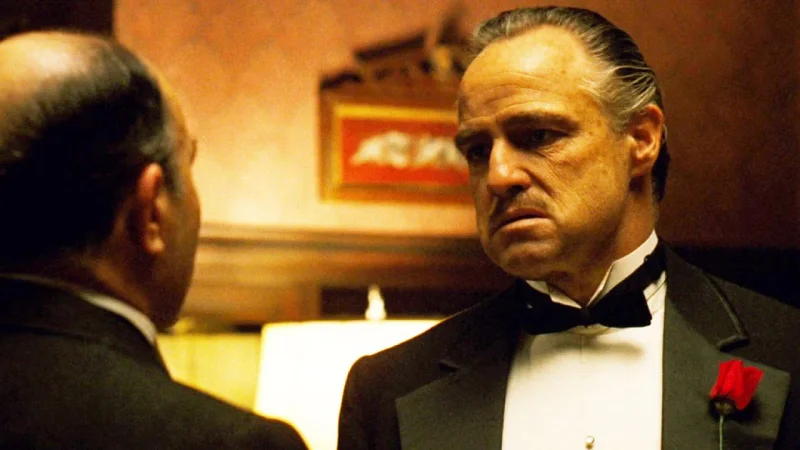
Coppola opted for a straightforward approach to commence his film, presenting a story told in close-up by a single character. Opposite him sits Don Vito Corleone, the mafia patriarch portrayed by Marlon Brando. There are no displays of power or frenetic action; instead, the scene centers around a man articulating his plea.
Bonasera recounts how his daughter was assaulted and how the American justice system failed him. Right from the start, The Godfather poses a fundamental question: what happens when institutions let you down? This inquiry plunges the audience directly into the film's world.
Moreover, attentive viewers quickly realize that Coppola's direction is designed to gradually unveil Don Corleone's power. The camera slowly pulls back, revealing the patriarch shrouded in shadow behind his desk. This movement is crucial; before he even speaks, the audience understands that he is the one in control.
The opening sequence is masterful, as it establishes the rules of the mafia world for the general public, making it immediately accessible. Rather than a simple exchange of money, Don Corleone demands respect, loyalty, and friendship.
His famous line admonishing Bonasera for never wanting to be his friend illustrates that, in this realm, personal relationships hold greater value than contracts or legalities. Additionally, the stark contrast between the scene's interior and the exterior is striking.
While the action unfolds in a dimly lit office, outside, the wedding of Don Corleone's daughter is in full swing. This juxtaposition is powerful; inside, discussions revolve around business, potential violence, and negotiations, while outside, music plays, families gather, and celebrations abound.
 Paramount
Don Corleone: The Embodiment of Charisma
The editing then alternates between these two settings, illustrating the deep connection between family and crime. In this way, Coppola provides a lesson in character development.
Without resorting to action sequences, the filmmaker conveys that Don Corleone is respected, calm, and patient, capable of both generosity and violence. He adheres to a personal moral code, and his presence is magnified through his demeanor, voice, and the reactions of those around him.
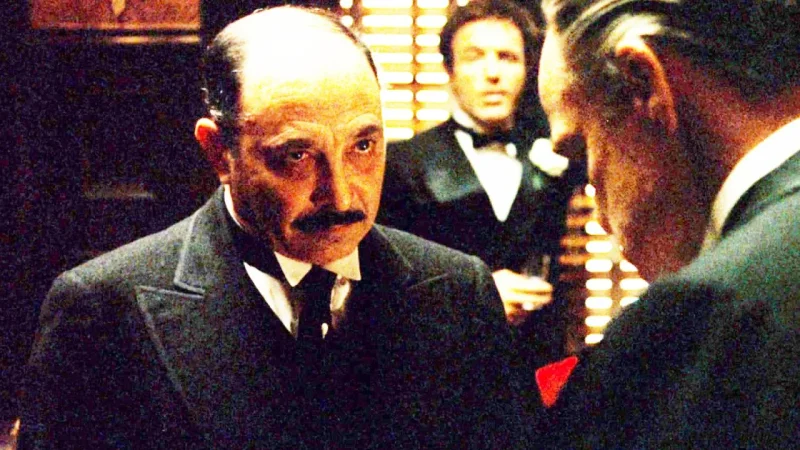
In just one sequence, Coppola showcases his mastery of cinematic language. The scene is notable for its high-contrast lighting, which bestows a mysterious aura upon Don Corleone, its lengthy shots that build tension without explicit violence, and Marlon Brando's restrained performance, which compels the audience to listen intently to every word.
This opening scene is frequently studied as it serves as an almost perfect example of exposition. In under ten minutes, it introduces the main character, the film's themes (justice, power, family, loyalty), the narrative rules, and the story's tone.
 Paramount
In essence, without car chases or gunfire, this opening captivates the audience solely through the power of its direction, dialogue, and dramatic structure. It is this narrative effectiveness that solidifies its status as an iconic sequence in the history of cinema.
For those eager to experience or revisit The Godfather, the trilogy is available on Prime Video and Paramount+.
You may also like