Dolly: A Promising Horror Film with Unique Charm
Dolly, directed by Rod Blackhurst, is a horror film that captures the charm of low-budget productions while exploring themes of family and trauma. With a unique aesthetic and strong performances, it promises an engaging experience.
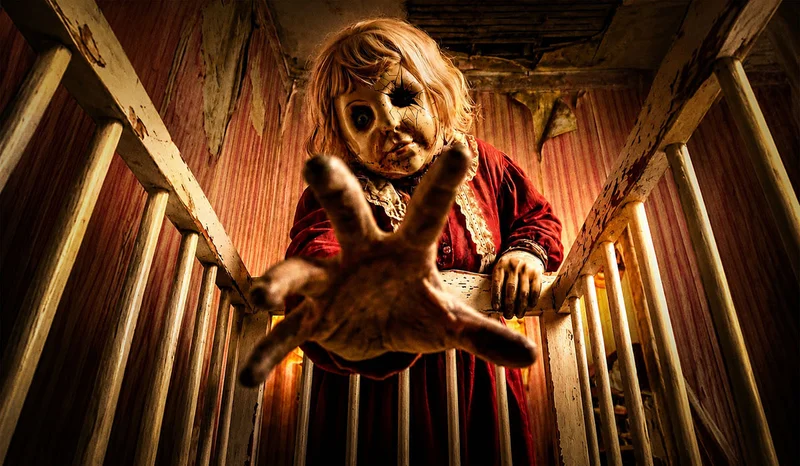
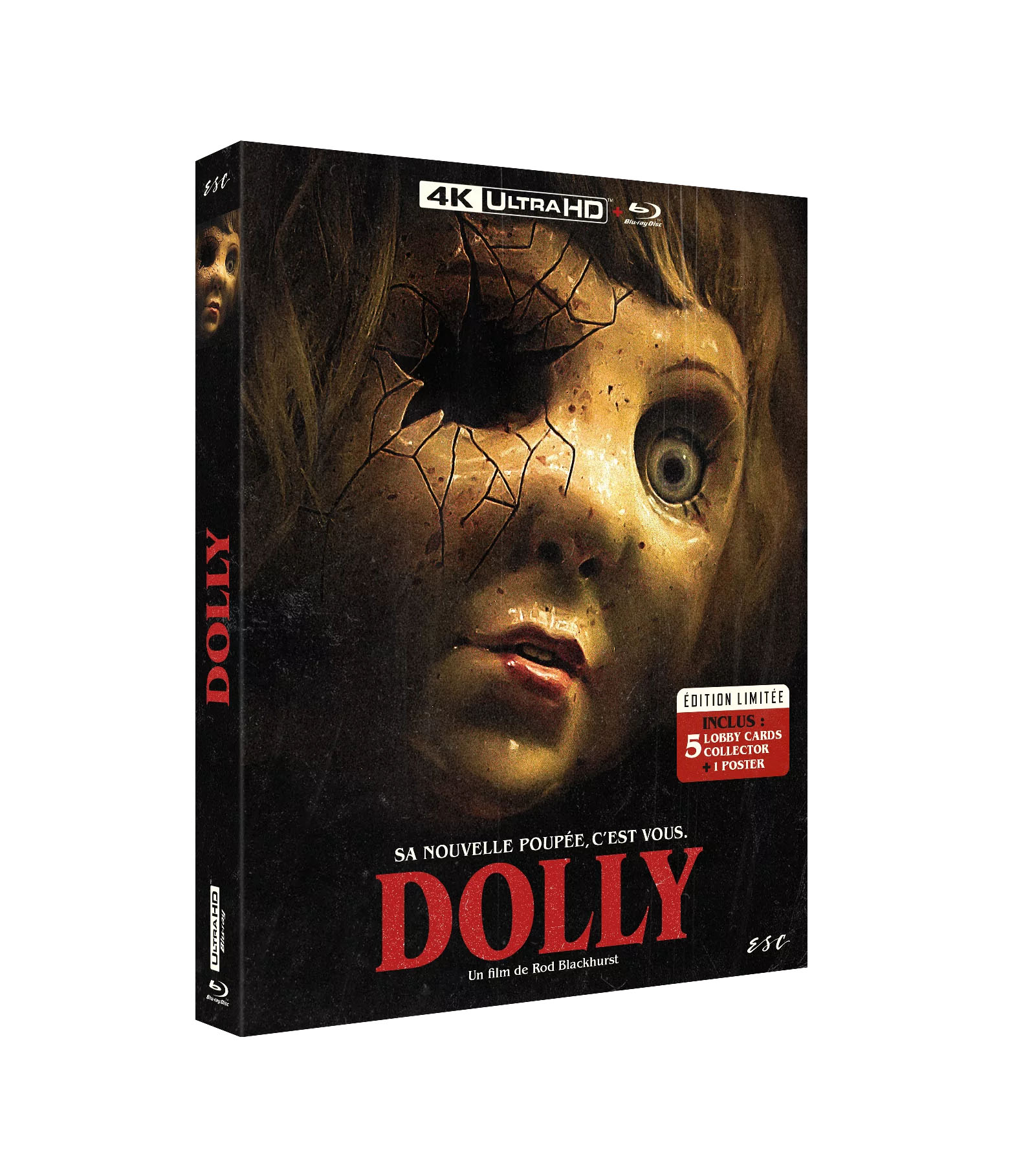 Released in 2025, Dolly is a horror film directed by Rod Blackhurst, co-written by Blackhurst and Brandon Weavil. The film features a cast that includes Fabianne Therese, Max the Impaler, Seann William Scott, and Ethan Suplee. With a runtime of 1 hour and 23 minutes, it hit theaters on April 1, 2026, and will be available on DVD, Blu-ray, and 4K starting August 5, 2026.
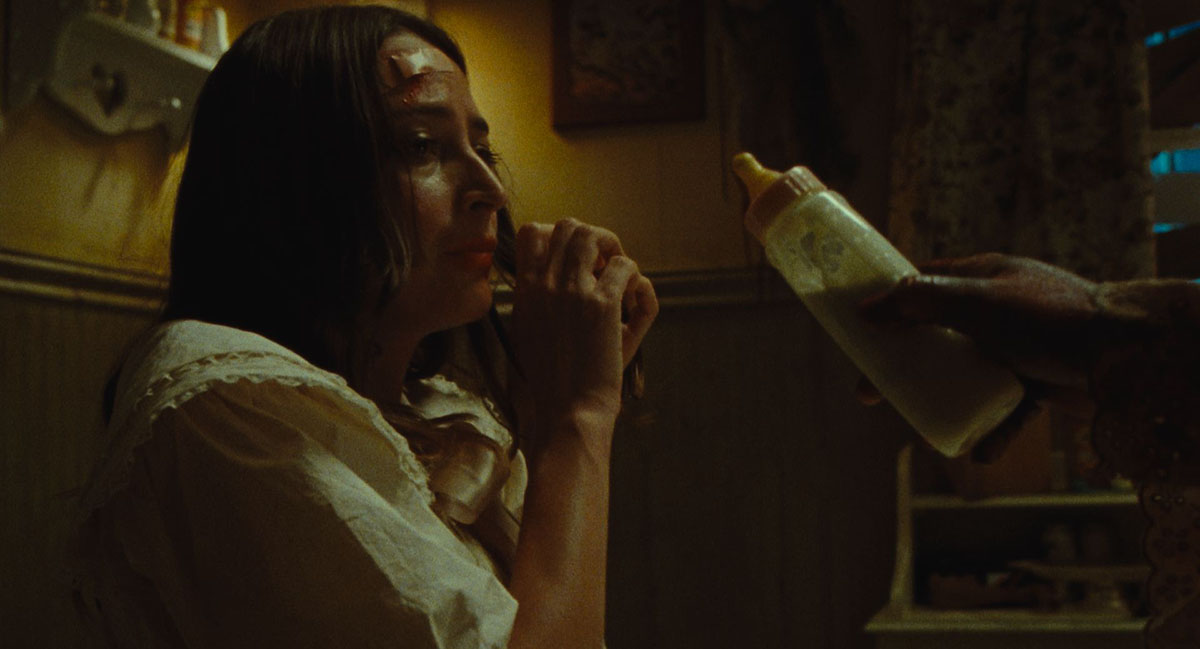
A young woman named Macy finds herself fighting for survival after being kidnapped by a monstrous creature intent on raising her as its own child.
Overview
Rating: 3.5/5
Independent horror films often possess a unique charm that larger Hollywood productions struggle to capture. This is not due to the shortcomings of these low-budget films becoming strengths but rather their fearless approach to storytelling. Dolly certainly falls into this category. Directed by Rod Blackhurst, the film showcases ambitions that exceed its resources, resulting in a mix of strong ideas alongside some frustrations. While it may not be a perfect execution, Dolly offers an engaging experience that feels like a promising starting point rather than a complete achievement. The film seems to spend much of its runtime searching for the best way to utilize its accumulated ideas.
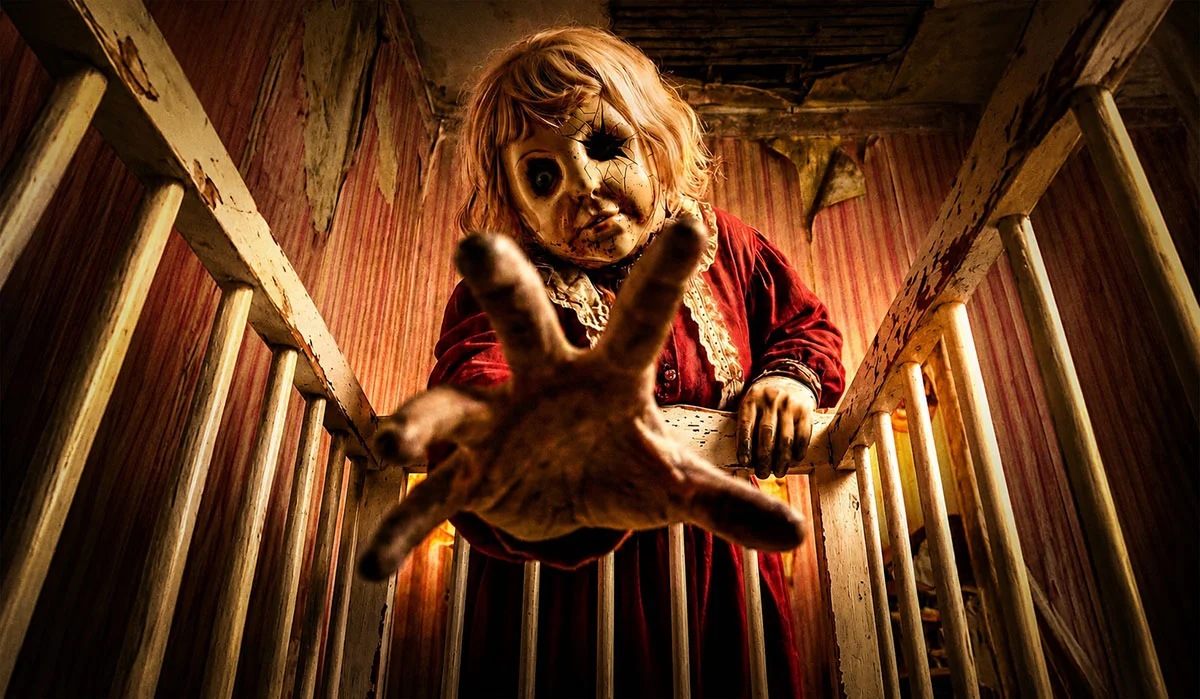
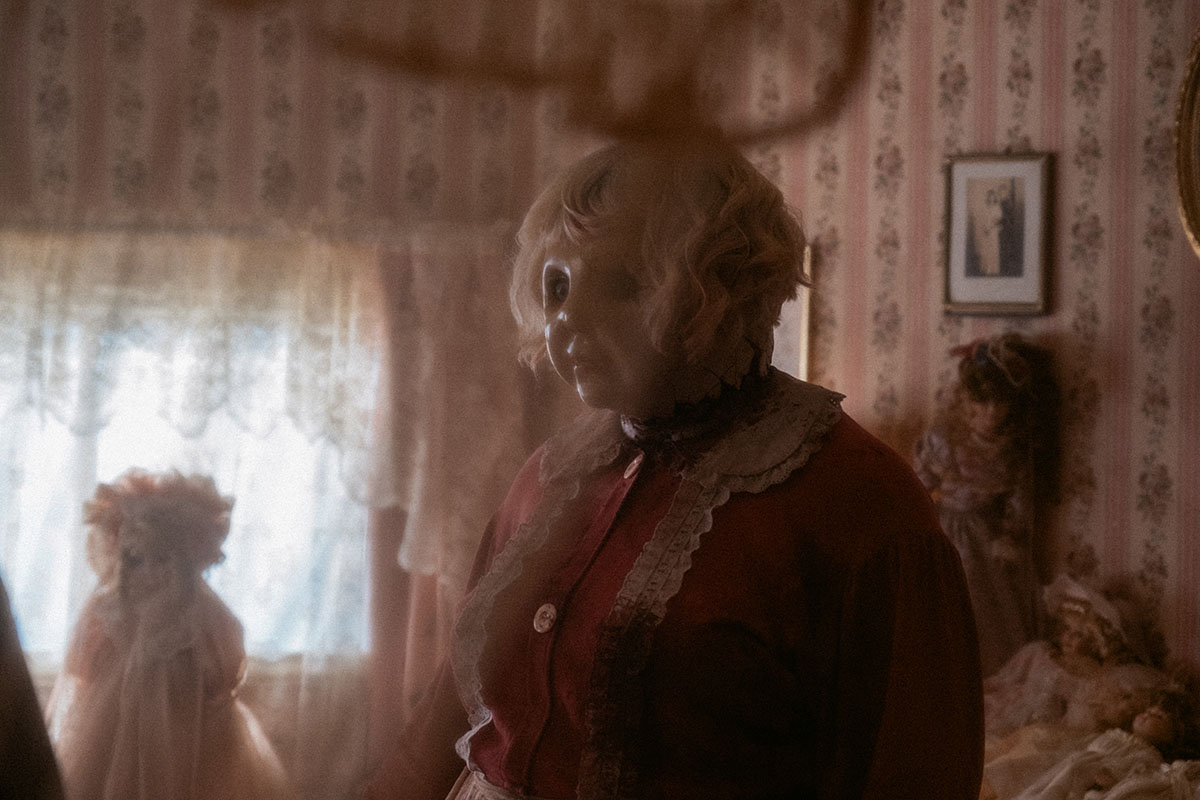
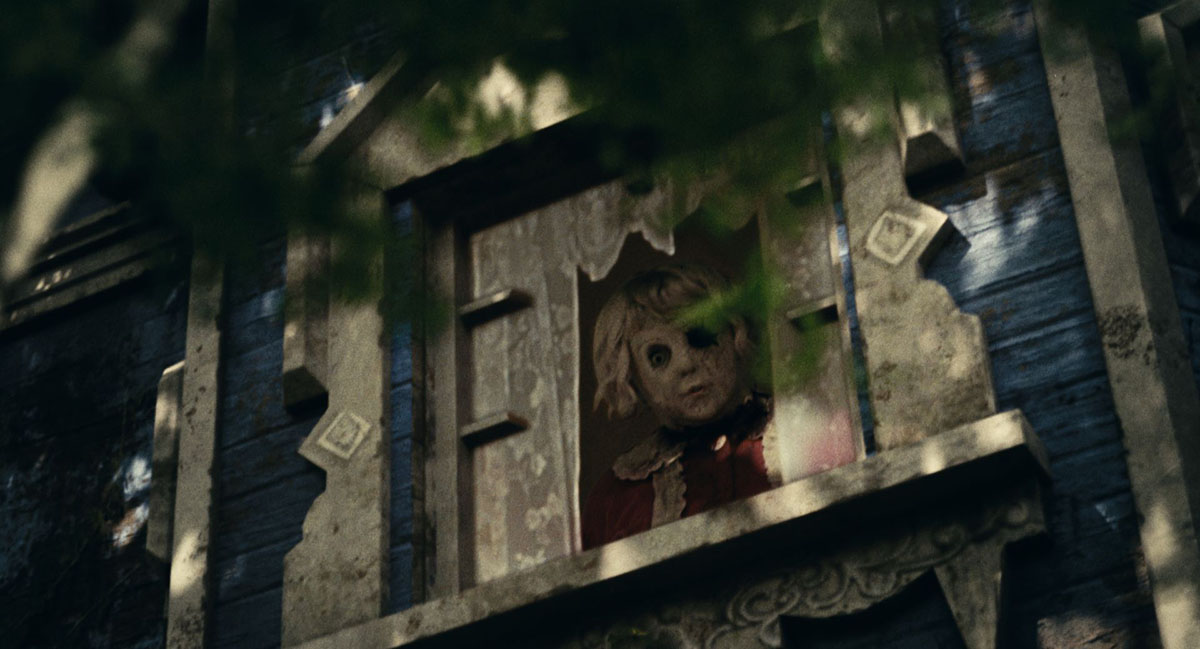
The film's aesthetic choices echo this sentiment. Shot on 16mm film, Dolly possesses a gritty, almost dusty texture reminiscent of 1970s American horror cinema. It inevitably draws comparisons to classics like The Texas Chain Saw Massacre, as the grainy visuals and stark framing seem to converse with Tobe Hooper's iconic film. The unsettling presence of Dolly, her silence, and the discomfort she evokes, including her peculiar habit of holding her head in her hands, all evoke the character of Leatherface. This homage culminates in a final shot that cleverly nods to horror enthusiasts.
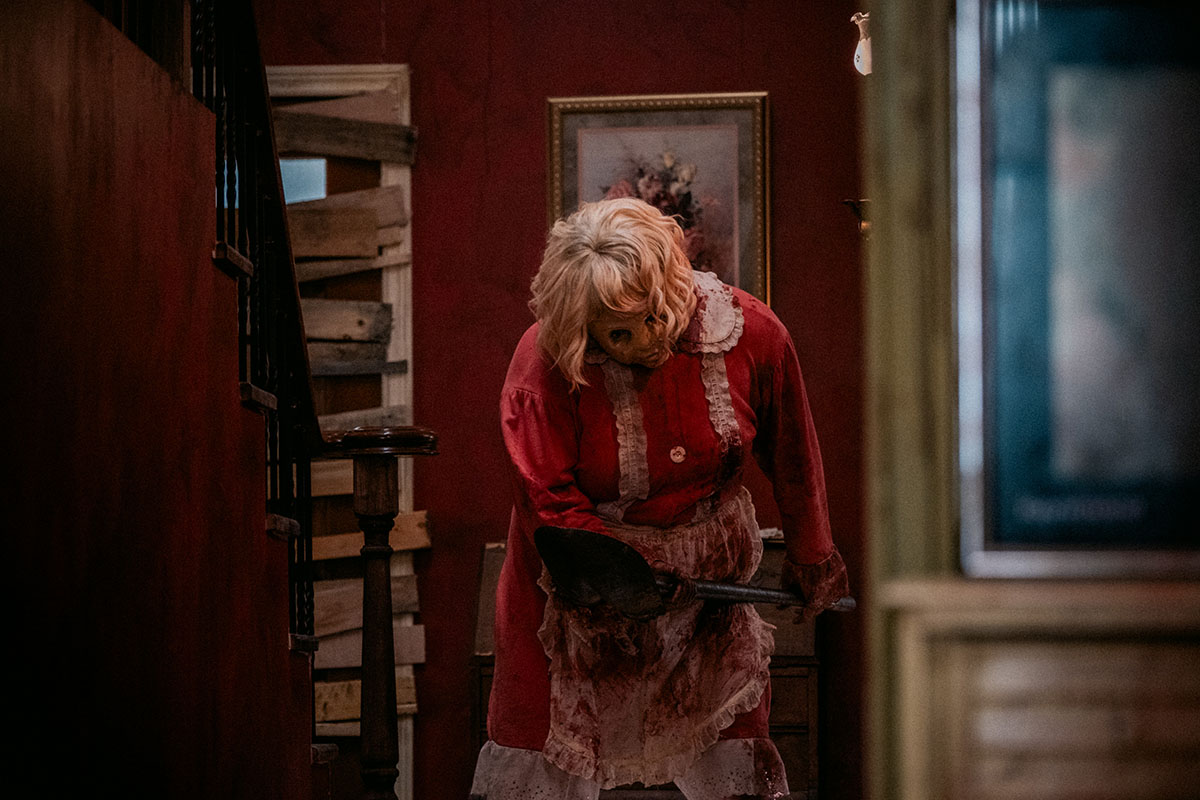
However, Dolly is more than just a collection of references. Beneath its clear influences lies a narrative that explores themes of family, legacy, and trauma—elements passed down like an old house inherited through generations, with each occupant adding cracks without addressing the previous ones. While the film may not redefine the foundations of horror cinema, it provides a solid backbone that ensures the story doesn't rely solely on its horror elements. This is perhaps Dolly's greatest strength: it favors personality over mere spectacle, even if not all its ideas hit their mark.
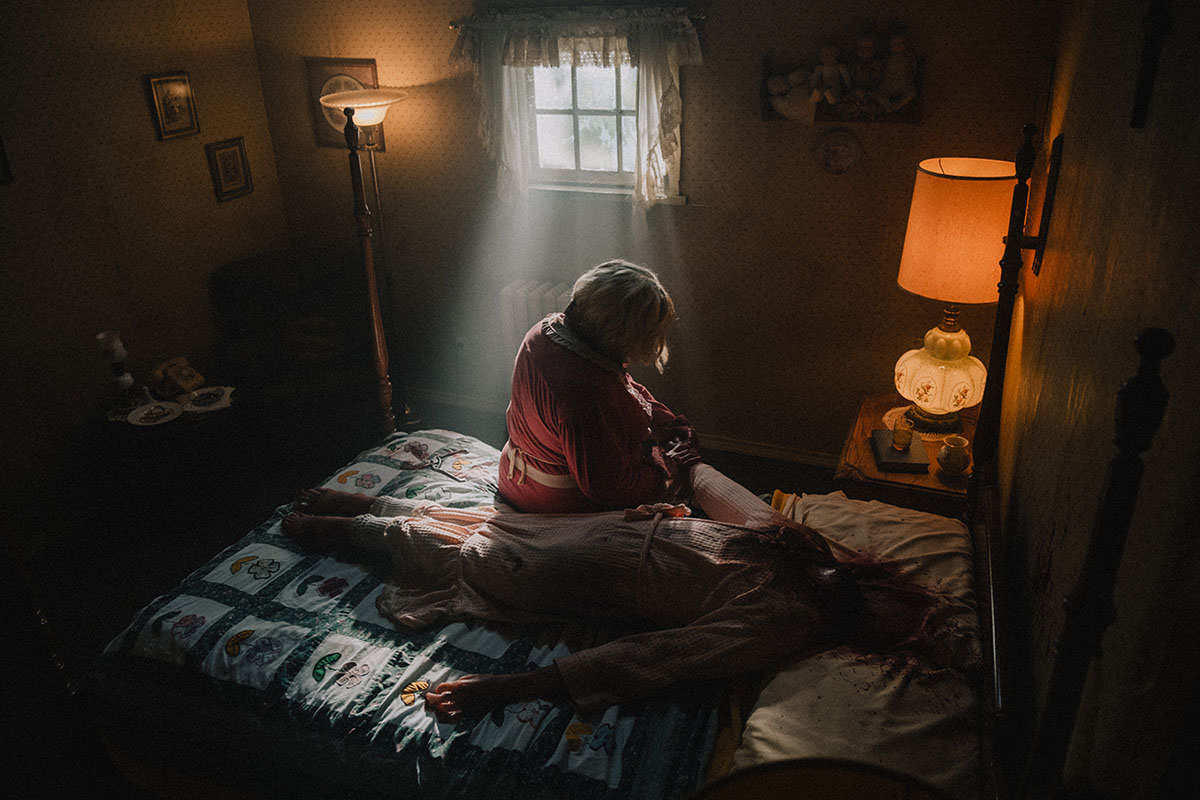
Another pleasant surprise is Dolly's pacing. With a modest budget, the temptation to artificially extend scenes or fill the runtime with dialogue-heavy segments could have been strong. Fortunately, Blackhurst opts for a different path. The narrative flows steadily, maintaining enough tension to keep viewers eager to discover what lies behind the next door. Nevertheless, not everything works seamlessly. Some secondary characters could have been more fleshed out, and several narrative threads hint at promising developments that ultimately go unexplored. Dolly sometimes exhibits a taste for sketches, suggesting rather than fully exploring its ideas. This frustration is somewhat palpable, as many concepts deserve further exploration.
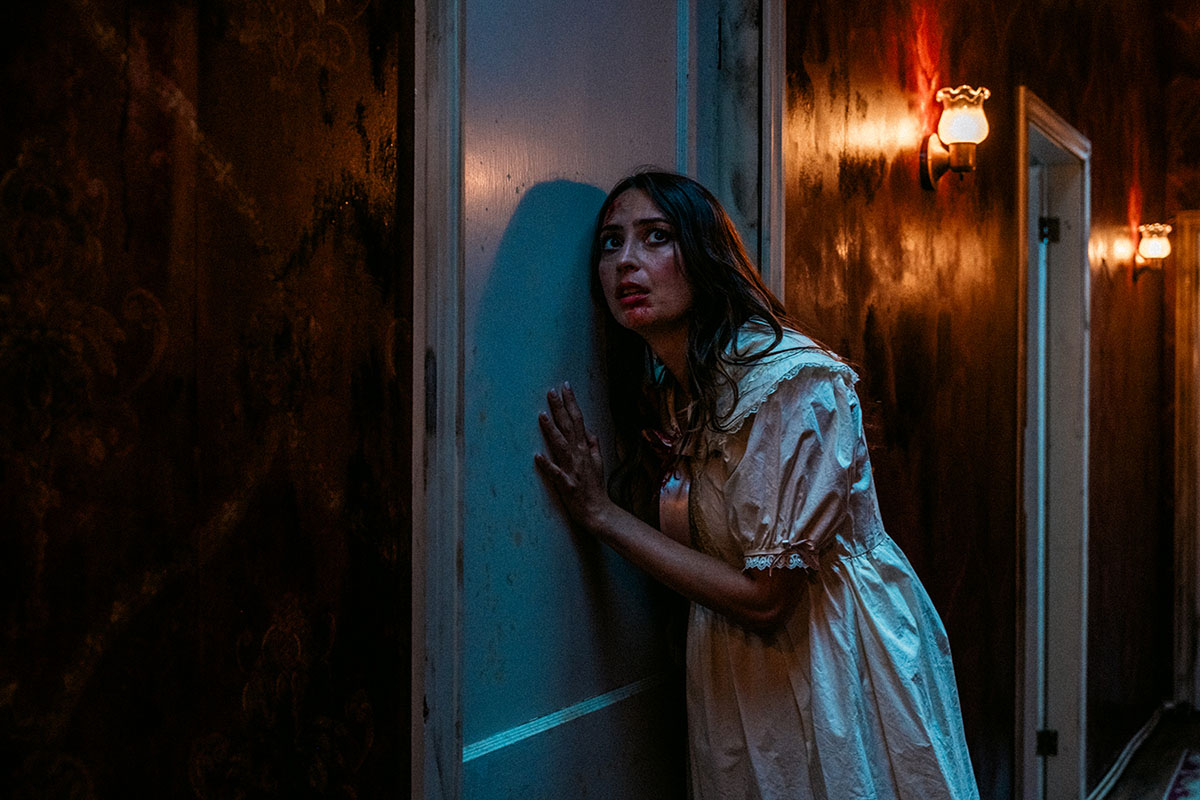
This sense of incompleteness dissipates in the film's more inspired final act. While maintaining its identity as a rural survival horror, Dolly subtly begins to alter the rules it established. A dramatic fall through a window serves as a pivotal moment, with the direction accompanying it in a strangely hypnotic manner, making reality seem to bend to an unknown logic. For a brief period, the film flirts with a brand of fantasy that hints at mysticism or even science fiction, without fully clarifying what unfolds before the audience. This welcome audacity injects an unexpected flavor into Dolly, allowing it to diverge from its influences and venture down a more personal and unconventional path. It would have been fascinating had Blackhurst embraced this freedom earlier or more frequently, as these moments of inspiration elevate the film beyond initial expectations.
The film's lightheartedness shines through during the credits. Rather than concluding on a heavily ominous note, Dolly treats viewers to a playful moment with a song that teasingly hints at the future escapades of its murderous lead, promising an unlikely Dolly 2. The tongue-in-cheek lyrics, combined with a post-credits scene, remind us that horror cinema has always embraced a certain playfulness. The most memorable monsters are not always the ones that instill lasting terror; often, they are those that invite audiences back to check out the creators' latest whimsical ideas. In this regard, Dolly scores points, leaving behind a sense of anticipation more than a definitive classic.
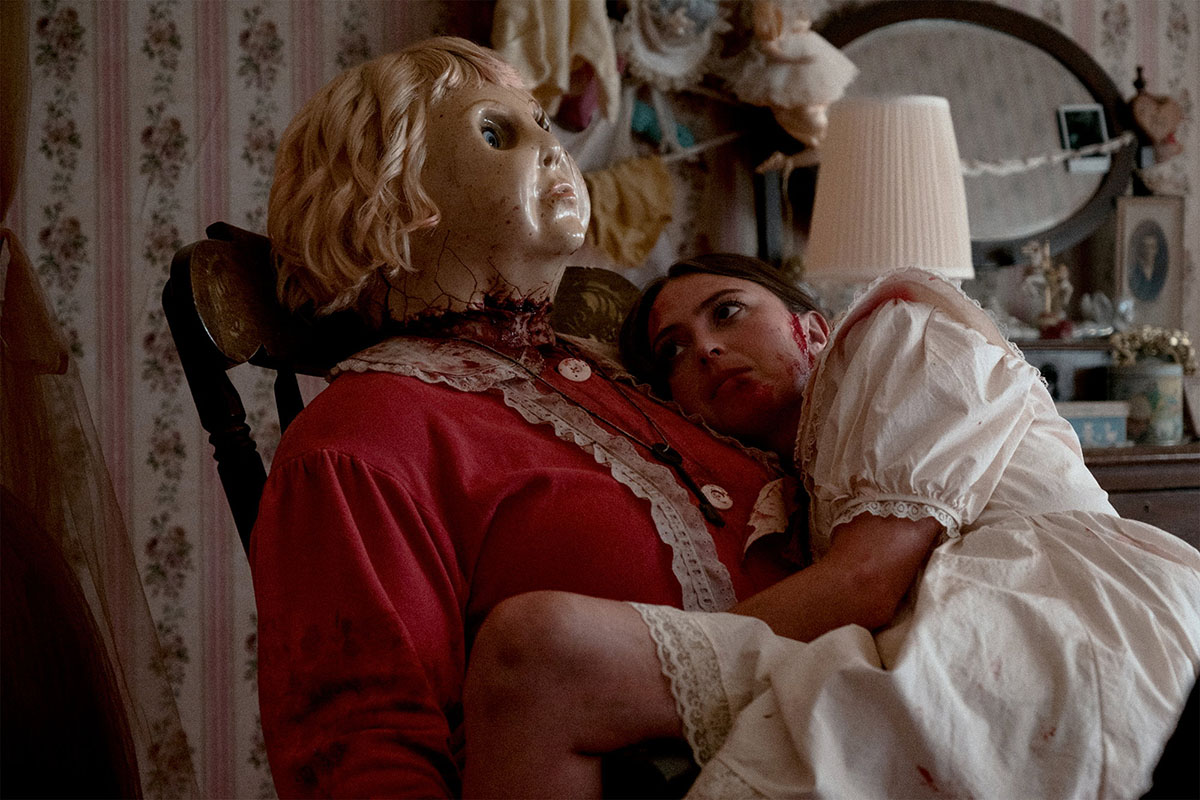
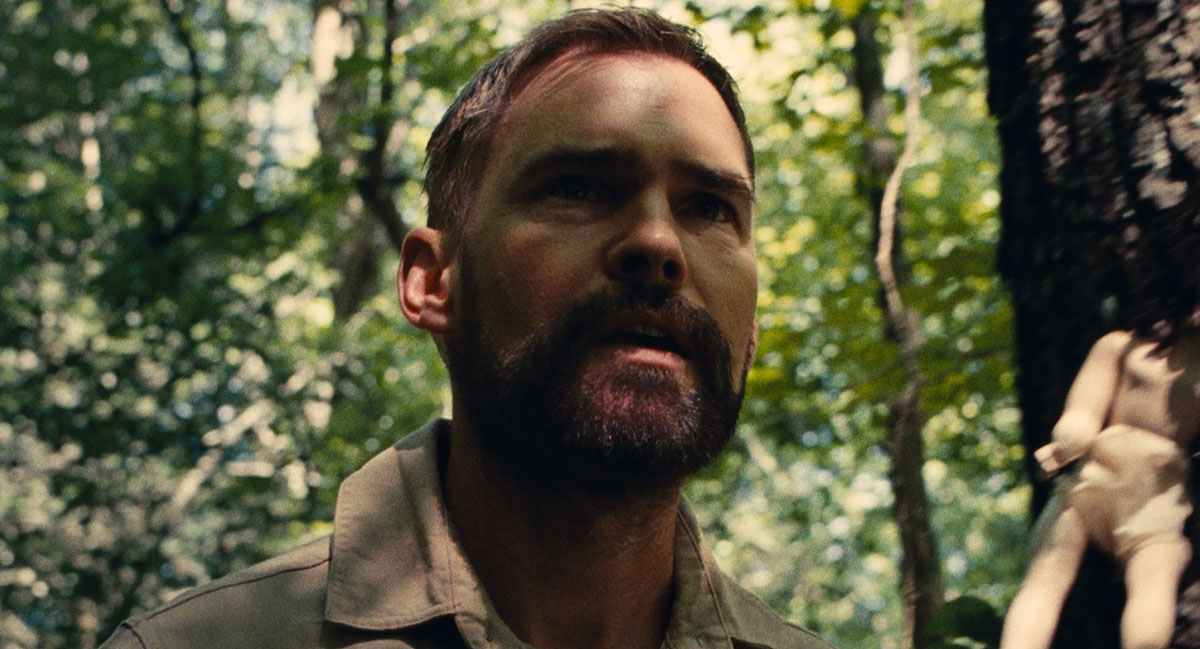
One of the film's standout features is its casting, which adds significant value to a narrative that occasionally lacks depth. Seann William Scott, best known as Stifler from the American Pie series, showcases a much darker side of his acting range. He proves once again that he possesses a broader palette than his comedic persona suggests, crafting a believable character without always seeking the spotlight. Similarly, Ethan Suplee, remembered for his roles in Kevin Smith's films like Mallrats and Chasing Amy, brings a sense of familiarity that makes Dolly feel like a reunion with old friends navigating this rural nightmare.
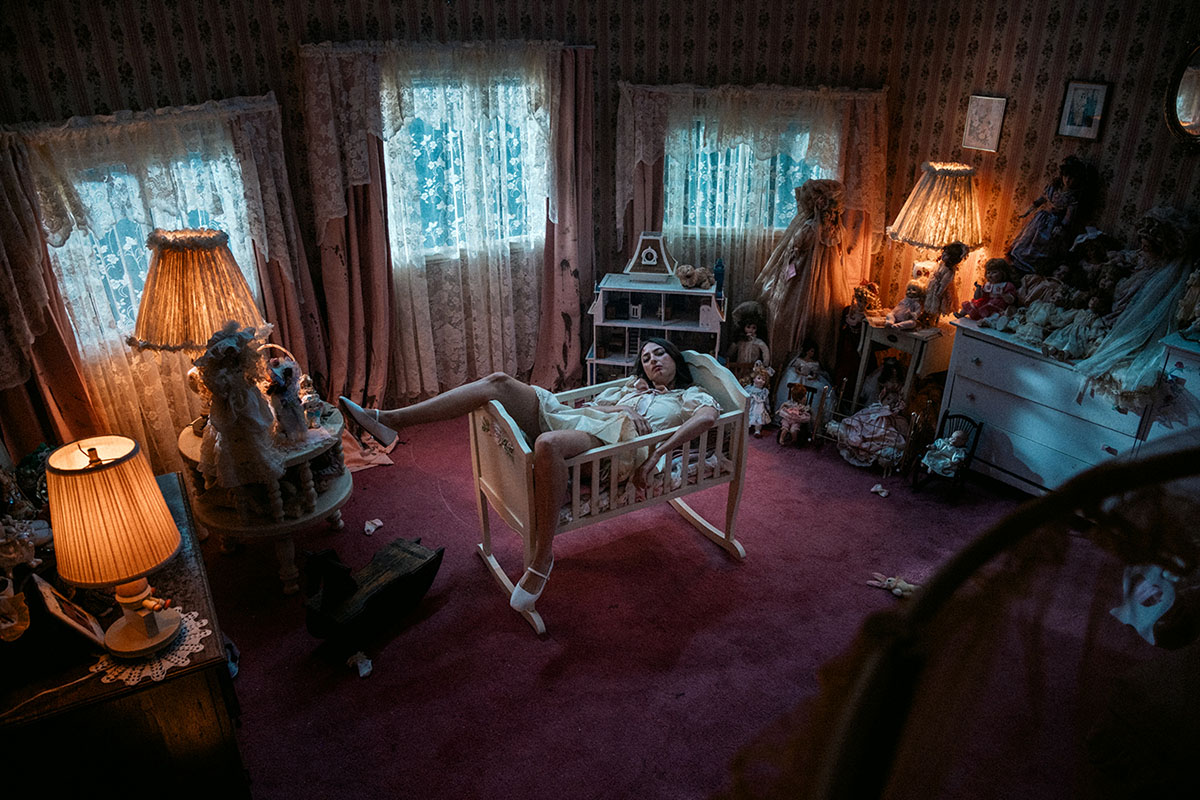
The most intriguing casting choice, however, is Max the Impaler, a non-binary and transgender professional wrestler whose presence significantly contributes to the film's identity. A rising star in the independent wrestling scene, Max the Impaler has quickly made a name for herself with a character that blends physical prowess, theatricality, and a monstrous aesthetic. This unique background enriches her on-screen presence, as Blackhurst avoids reducing this individuality to mere marketing gimmickry. Instead, Dolly intelligently utilizes her striking silhouette to enhance the film's strangeness, constantly blurring the lines between humanity, myth, and monster. In an era where horror cinema seeks fresh faces to rejuvenate its roster, this casting decision proves to be more relevant than it may initially appear.
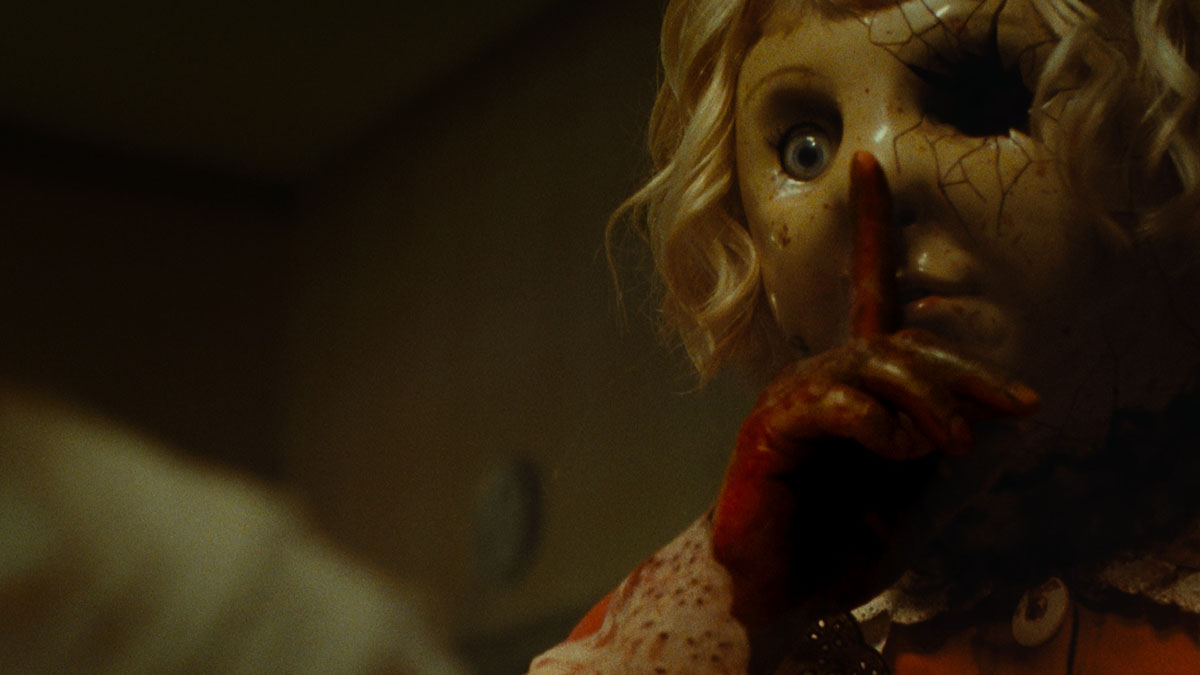
Ultimately, Dolly may not revolutionize contemporary horror cinema, nor will it instantly join the ranks of classics like The Texas Chain Saw Massacre or The Hills Have Eyes. However, Rod Blackhurst delivers a sufficiently unique debut that piques genuine curiosity about his future endeavors. With more resources and a tighter script, the filmmaker could transform these occasionally scattered instincts into a more impactful work. For now, Dolly remains an imperfect yet sincere offering, capable of oscillating between missteps and flashes of inspiration with a disarming honesty. That alone is commendable. And when the credits tease a Dolly 2 with a playful song, followed by a cheeky post-credits scene, it's hard not to feel a certain affection for this band of lovable oddballs. After all, some films invite admiration, while Dolly inspires anticipation for the next wild chapter.
Blu-ray 4K Ultra HD Release
Rating: 4.5/5
The arrival of Dolly on Blu-ray 4K Ultra HD is a delightful surprise. Not because the film doesn't deserve a well-crafted edition, but it’s amusing to see an independent production with a modest budget receive a 2160p treatment while numerous classics still await their turn. ESC Films has gone above and beyond, offering a particularly appealing package that includes the Blu-ray 4K Ultra HD, a Blu-ray, a poster, and a set of five illustrated cards. This collection will undoubtedly please collectors of fine physical editions and reaffirms the care the distributor gives to genre cinema releases.
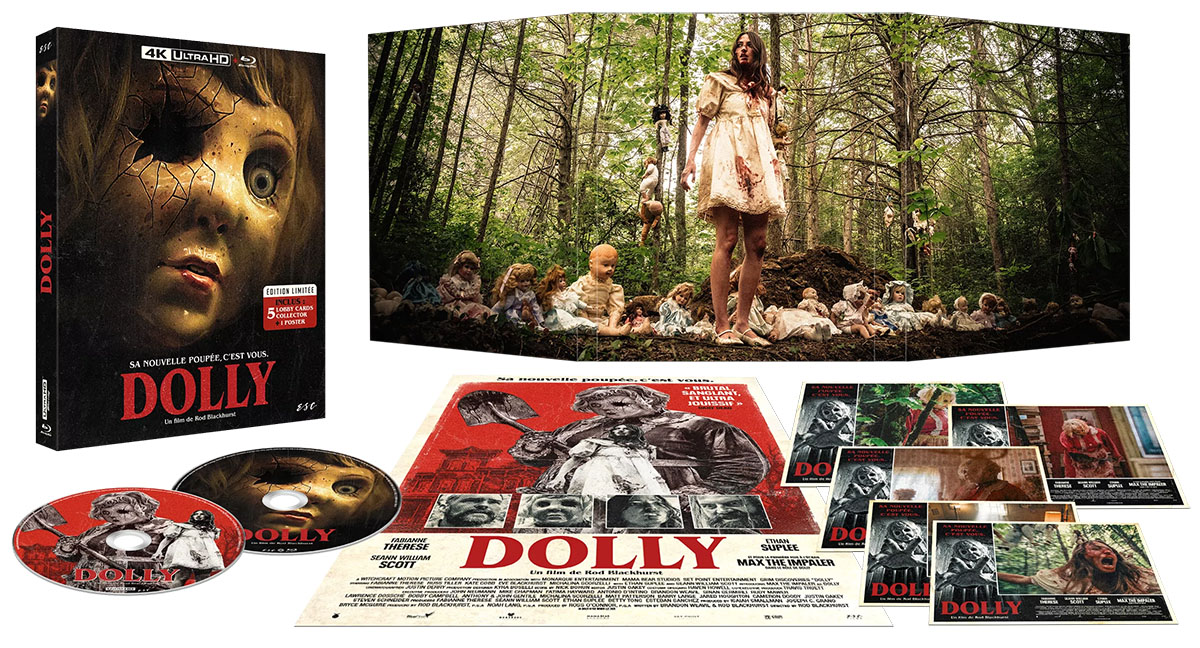
Regarding the image quality, the disc impresses with its fidelity to the original material. Shot on 16mm, Dolly does not aim for the clinical precision of contemporary digital productions. Instead, the Blu-ray 4K Ultra HD faithfully preserves the rich, textured grain that defines the film’s visual identity. The HDR10 + Dolby Vision encoding primarily enhances the luminous nuances without compromising Blackhurst’s photographic intentions. The blacks gain depth while retaining detail in the many nighttime scenes, and natural lighting benefits from a more nuanced dynamic range. The colors remain deliberately earthy, sometimes almost washed out, reflecting the golden age of 1970s American horror. Some very dark shots reveal the limitations of shooting on small-format film, with grain occasionally becoming particularly pronounced.
You may also like