PMA: Why More and More French People Are Engaging Despite Increasing Wait Times
Four years after the bioethics law, the landscape of parenthood in France continues to transform. With a massive increase in oocyte cryopreservation requests and unprecedented donor mobilization, the Biomedicine Agency presents a hopeful report, though marked by significant waiting times.
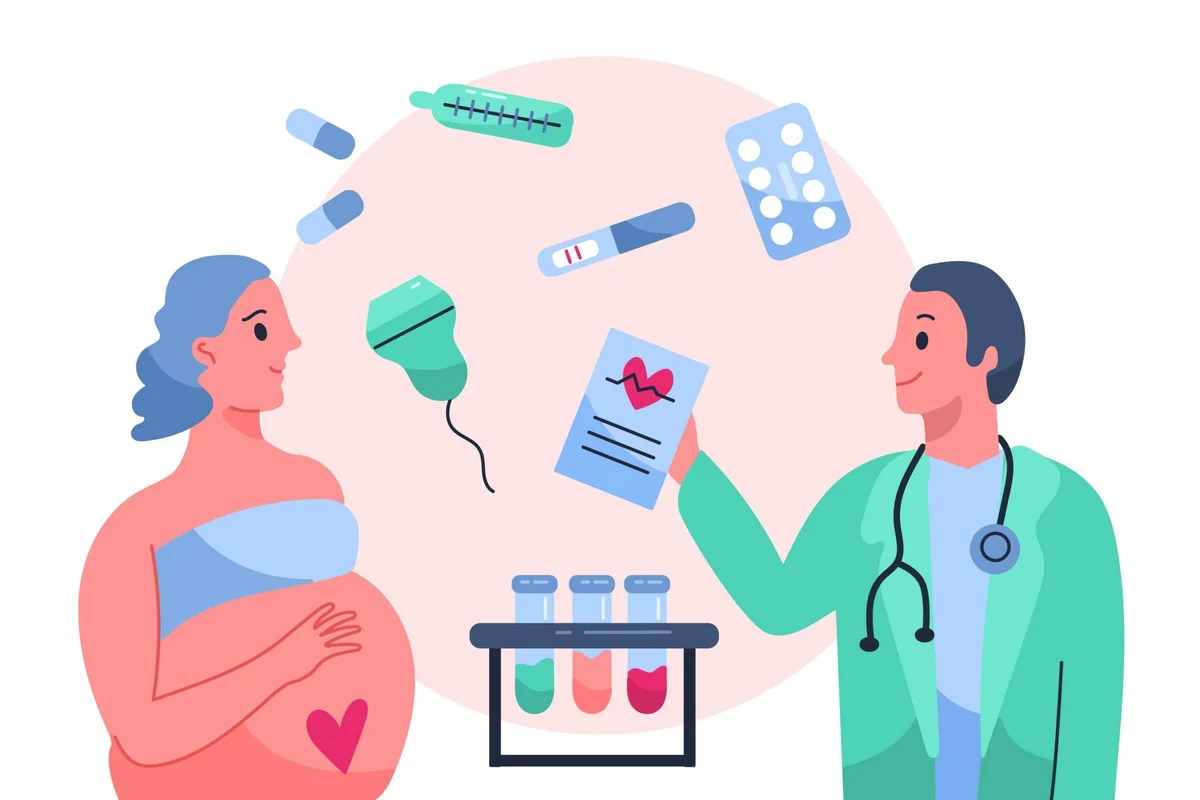
Four years after the bioethics law, the landscape of parenthood in France continues to undergo profound transformation. Between the massive increase in requests for oocyte cryopreservation and an unprecedented mobilization of donors, the Biomedicine Agency presents a hopeful report, yet still marked by significant waiting times.
The New Faces of Parenthood Assert Themselves
Access to assisted reproductive technology is no longer just a distant promise, but a reality that is becoming part of the daily lives of thousands of households. In 2025, the demand for sperm donation remains particularly strong with over 12,000 applications recorded. What stands out is the diversity of profiles knocking on the doors of specialized centers.
Single women now make up the largest share of applications at 47%, closely followed by female couples at 38.8%. This trend shows that the desire for children is breaking free from traditional patterns, even though the number of heterosexual couples seeking sperm donation has significantly decreased compared to previous years.
Also read: Diary of an IVF Journey, Episode 4: "This is the beginning of a new stage, with a first transfer as the goal!"
Oocyte Cryopreservation Becomes a Reflex of Freedom
One of the major lessons from the latest report by the Biomedicine Agency released on April 14, 2026, concerns the freezing of oocytes for non-medical reasons. This practice, which allows individuals to take their time in building their parental project without the immediate pressure of the biological clock, is experiencing remarkable success.
More than 20,700 consultation requests were submitted in 2025, a significant increase compared to the previous year. To meet this enthusiasm, the healthcare offering has expanded with the opening of 20 new centers across the country, allowing the average waiting time for care to be reduced to just under a year.
However, caution is warranted regarding geographical disparity: more than half of these requests are still concentrated in Île-de-France, which can create local bottlenecks.
Donors Step Up in Response to Waiting Times
For these life projects to come to fruition, national solidarity is the essential driving force. The good news lies in the historic milestone reached for oocyte donation: for the very first time, over 1,000 women made this generous gesture in a single year. This mobilization helps alleviate some of the pressure on waiting lists, even though the average waiting time for receiving an oocyte donation remains 22 months.
Regarding sperm donation, the stock of straws remains stable thanks to over 1,000 new voluntary donors, a level significantly higher than what France experienced before the law change. Despite these efforts, around 8,700 people are still waiting for a male gamete donation, with an average waiting time of 17.7 months that has yet to decrease.
Progress in Access to Care Despite Regional Tensions
While the overall figures are encouraging, the reality of the journey can vary greatly depending on your place of residence. Waiting times for ART with sperm donation range from 8 to 28 months depending on the regions, with particularly marked tensions in Bourgogne-Franche-Comté or Réunion.
Also read: IVF: Requests Explode, But Waiting Times Lengthen
Nevertheless, overall activity continues to ramp up. In 2025, over 5,300 individuals were able to access their very first attempt, representing an increase of over 10% in one year. Centers are organizing and mobilizing to ensure that each parental project can be supported in accordance with ethical and safety regulations. Marine Jeantet, head of the Biomedicine Agency, emphasizes that this momentum must be consolidated to guarantee equitable access for all across the territory.
The journey to parenthood through IVF remains a marathon that requires endurance and patience, but the signals sent by French society are decidedly positive. Solidarity is present, centers are adapting, and mindsets are evolving.
You may also like